Massage for Headaches and Migraines: Does It Help?
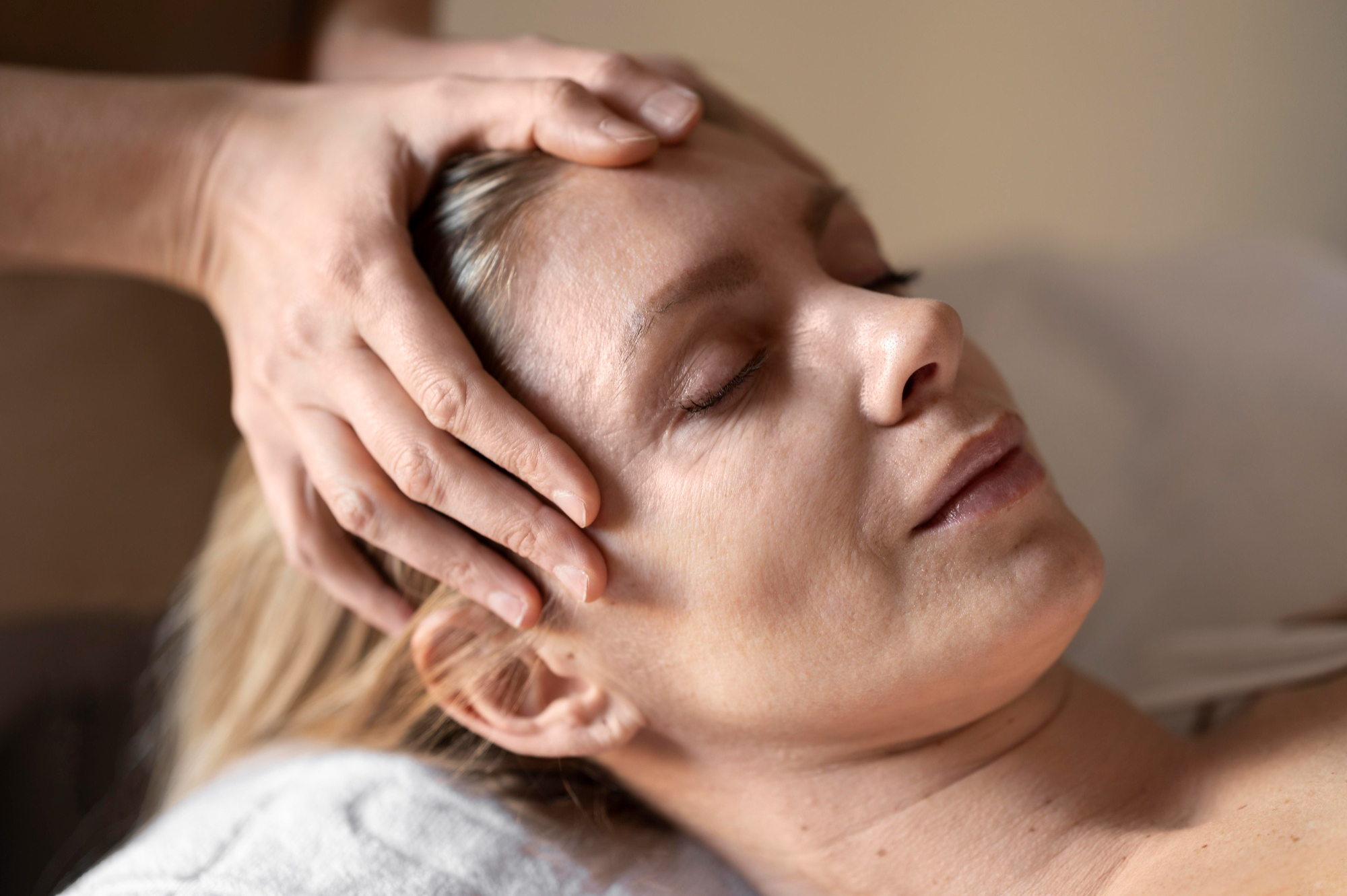
Headache is one of the most common reasons people seek medical attention. According to the World Health Organization, around 50% of adults experience a headache at least once a year, while 1.7-4% suffer from headaches on more than 15 days per month. The first reaction for most people is to reach for a pill. But painkillers, when used frequently, can themselves trigger what is known as medication-overuse headache - one that occurs precisely because of the overuse of these drugs.
Massage for headaches is not alternative medicine or self-suggestion. It is a method with a proven physiological mechanism of action. However, it does not work the same way for all types of pain. This article is about understanding when massage genuinely helps and when it can cause harm.
Headaches and Migraines: What Is the Difference from a Massage Perspective
Before discussing massage, it is important to understand that "headache" is not a single diagnosis but a broad group of conditions with different causes and mechanisms. The type of pain directly determines whether massage will help and which kind is appropriate.
Tension-type headache is the most common type, affecting 70-80% of people. It is felt as a dull pressure or tightening sensation across the entire head, as if wearing a tight band. The cause is prolonged muscle tension in the neck, shoulders and back of the head, often linked to sedentary work, stress or poor posture. This is precisely the type where massage delivers the most noticeable and rapid results.
Migraine is a fundamentally different condition. It is a neurological disorder in which the pain is throbbing in character, typically on one side of the head, accompanied by nausea, sensitivity to light and sensitivity to sound. An attack lasts from 4 to 72 hours. Migraine is not caused by muscle spasm but by neurovascular changes - dilation and inflammation of the brain's blood vessels. The approach to massage here is entirely different: it is contraindicated during an acute attack, but effective for prevention during the interval between attacks.
There is also cluster headache - an extremely intense, always one-sided pain in the area around the eye. This type responds very poorly to massage and requires exclusively medication-based treatment under the supervision of a neurologist.
How Massage Affects Headaches: Mechanism of Action
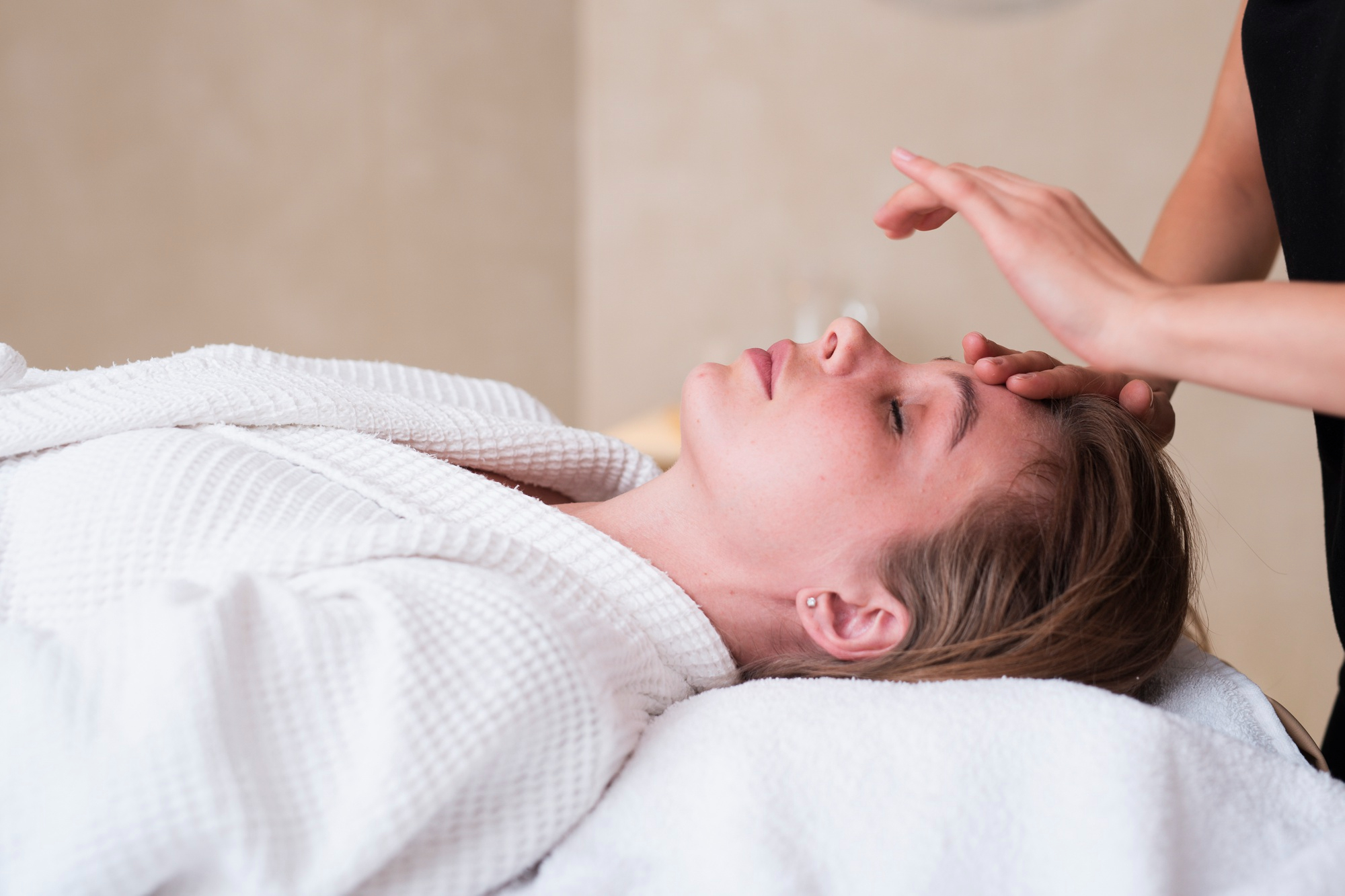
Massage acts on several links in the chain that contribute to tension-type headache.
The first link is muscle spasm. During prolonged static tension - such as working at a computer - the muscles of the neck, back of the head and shoulder girdle remain in a constant state of tightness. Metabolic byproducts accumulate in these contracted muscles - lactic acid and other substances that irritate pain receptors. Massage mechanically works through the muscle fibers, breaks down trigger points and accelerates the clearance of these substances through the bloodstream.
The second link is blood supply. Spasmed muscles compress small blood vessels, disrupting blood flow in the tissues of the neck and head. Massage dilates the vessels, improves local circulation and oxygen supply to the tissues. Within just 10-15 minutes of working on the neck and shoulder area, skin temperature in that zone rises by 1-2 degrees - an objective indicator of increased blood flow.
The third link is the nervous system. Massage stimulates the release of endorphins and reduces levels of cortisol - the stress hormone. According to research by the American Academy of Neurology, patients with chronic tension-type headache who completed a 6-week course of massage (twice a week) experienced an average 44% reduction in attack frequency and a 36% decrease in pain intensity.
With migraine, the mechanism is different. During the interval between attacks, regular massage reduces overall levels of stress and muscle tension, which are among the primary triggers for migraine episodes. In this way, massage for migraine works not on the attack itself but on the factors that provoke it.
Massage for Tension-Type Headache
With tension-type headache, the key area of focus is the muscles of the neck and shoulder girdle. This is where trigger points develop - localized tightened areas within the muscle tissue that, when pressed, radiate pain into the head. The most commonly affected areas are the trapezius muscle, the levator scapulae and the suboccipital muscles.
A typical example: a painful tightening at the junction of the neck and shoulder (upper trapezius) when pressed causes referred pain into the temple, back of the head and even behind the eye socket. The person complains of a headache, while the actual source of the problem is in the neck.
Effective treatment involves several stages. First - warming up the superficial tissues with stroking and rubbing movements for 3-5 minutes. Then - deep work on the neck and trapezius muscles: kneading, applying pressure to trigger points and holding that pressure for 8-12 seconds until the tension begins to release. The session ends with gentle stretching and soothing strokes.
A session for tension-type headache lasts 30-40 minutes. Many patients notice a first tangible relief during the session itself or within 1-2 hours after it. A course of 8-10 sessions is needed for lasting results.
Massage for Migraine: When It Is Safe and When It Is Not
Migraine progresses through several phases, and the approach to massage differs fundamentally at each stage.
- Prodromal phase (1-24 hours before the attack) - the period of warning signs: irritability, yawning, changes in appetite. At this point, a gentle relaxing massage of the neck and shoulders may in theory reduce the intensity of the approaching attack, though the effect is individual and not guaranteed.
- Acute attack phase - massage is strictly contraindicated. Any intensive touch during this period intensifies pain. The brain's blood vessels are inflamed and dilated, and the nervous system is hypersensitive. The only thing that may be permissible is light acupressure on specific points (LI4 - between the thumb and index finger, PC6 - on the wrist), which in some patients slightly reduces nausea and pain intensity.
- Postdromal phase ("hangover" after the attack, lasting 24-48 hours) - massage is also not recommended due to residual sensitivity of the nervous system.
- Interictal period - the optimal time for massage with migraine. Regular sessions 1-2 times per week reduce the frequency of attacks. A study published in the journal Headache (2006) showed that patients with migraine who completed a 13-week course of massage saw their monthly attack count fall from 6.5 to 4.3, and the duration of each attack decreased by an average of 33 minutes. The most effective techniques were those aimed at relaxing the muscles of the neck, back of the head and shoulder girdle - that is, at eliminating the main muscular triggers of migraine.
Which Zones Are Worked on for Headaches
With headaches, massage is not limited to the head alone. The main work is carried out across several interconnected zones, each of which plays a role in generating the pain.
The neck and suboccipital area is the priority zone for any type of tension headache. The suboccipital muscles located here, when in spasm, literally "pull" on the base of the skull, creating pressure and restricting blood flow to the head. Working on this zone often brings immediate relief - the pain can diminish during the massage itself.
The neck and shoulder zone - the trapezius muscles and the cervical-shoulder junction. This is where trigger points most frequently form, radiating pain into the temple, back of the head and forehead. Deep work on the trapezius takes up to half of the session time for chronic headache.
The scalp - working on the galea aponeurotica (a dense connective tissue layer beneath the skin of the head). When under tension, the galea becomes immobile and the scalp feels stuck to the skull. Massage of this zone - shifting the skin in different directions with the fingertips - releases this tension and noticeably reduces the sensation of a "band" around the head.
Specific points on the head that are worked on separately:
- temples - circular movements with the fingertips, relieve throbbing pain
- the point between the eyebrows (bridge of the nose) - pressure for frontal pain and nasal sinus congestion
- the base of the skull on both sides of the spine - pressure on points GB20, reduces pain intensity in the back of the head
- the jaw muscles (at the corners of the lower jaw) - for headaches related to bruxism and temporomandibular joint tension
Types of Massage for Headaches: Which Is More Effective
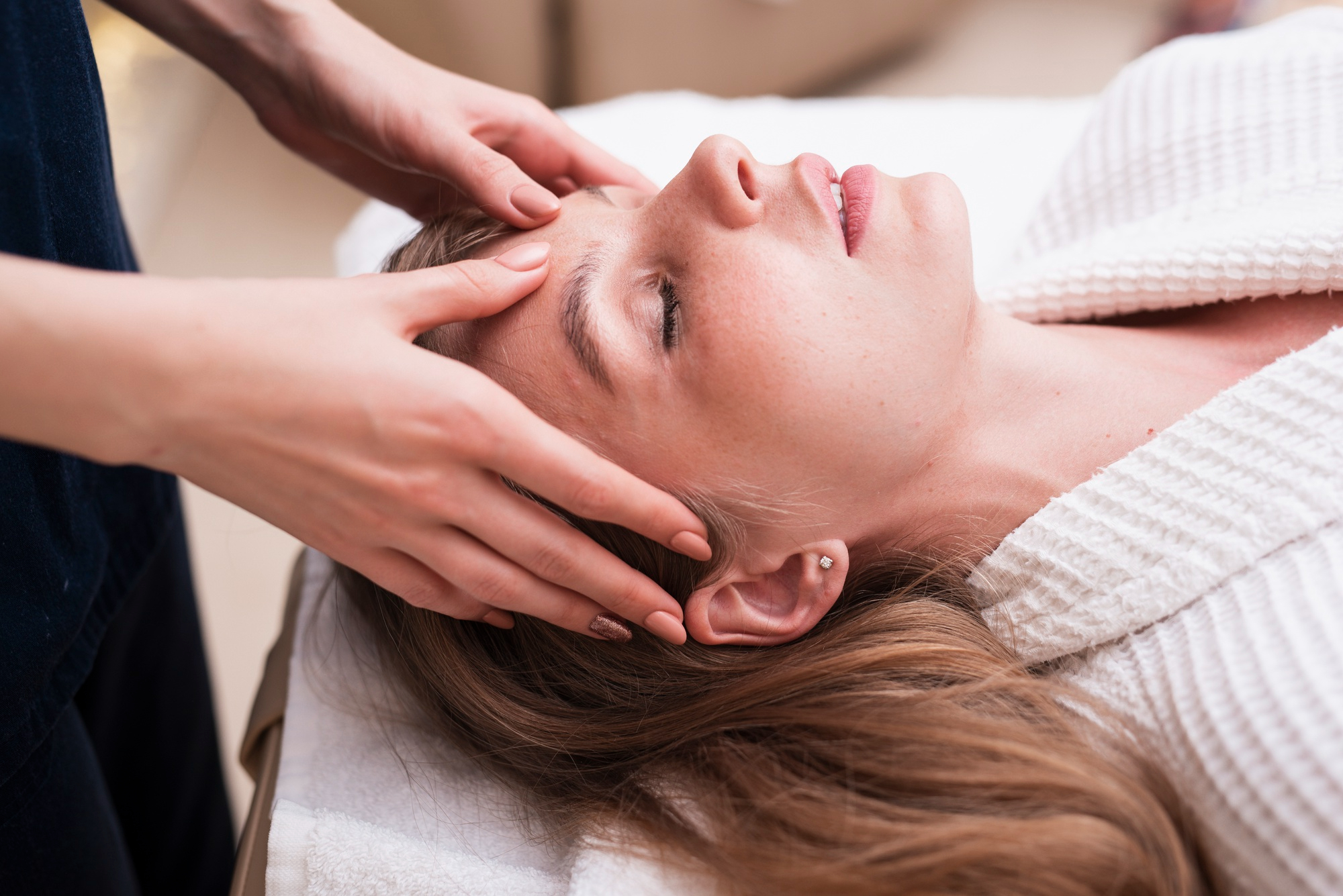
Different massage techniques address headaches through different mechanisms, so their effectiveness depends on the specific type and cause of the pain.
Classic neck and shoulder massage is the most versatile and accessible option. It acts on muscle spasm and blood flow, is well studied and delivers consistent results for tension-type headache. A standard session runs 30-40 minutes over a course of 8-10 procedures.
Acupressure - targeted pressure on specific acupuncture points. Particularly effective for migraine during the interictal period and for mixed headache types. Its advantage is that it can be applied as self-massage even during mild headache. Pressing point LI4 (the webbing between the thumb and index finger) for 1-2 minutes reduces pain intensity in 60-70% of patients according to a number of clinical observations.
Craniosacral therapy is a gentle osteopathic technique in which the practitioner works with minimal pressure (5-10 grams) on the bones of the skull and sacrum. It is indicated for chronic migraines, post-traumatic headaches and headaches following concussion. It requires a high level of practitioner skill - incorrect application can worsen symptoms.
Myofascial release involves working with the fasciae (connective tissue) through slow, sustained pressure. Effective for chronic headaches related to postural issues and restricted mobility of the cervical spine.
Comparing by speed of results: classic massage and acupressure bring relief more quickly - often within a single session. Craniosacral therapy and myofascial release work cumulatively and are more oriented toward long-term effect.
Self-Massage for Headaches: Technique and Points
Self-massage for tension-type headache is an effective way to quickly reduce discomfort without medication. It is important to do it correctly, otherwise tension can be increased rather than relieved.
Preparation: sit comfortably, tilt your head slightly forward, drop your shoulders down. Take several slow deep breaths to release general tension.
Step 1 - suboccipital zone. Clasp your hands together and place them behind your head so that your thumbs or the knuckles of your index fingers press into the points at the base of the skull on either side of the spine. Simply hold the pressure for 1-2 minutes, allowing your head to rest relaxed in your hands. Many people feel an almost immediate reduction in pain at the back of the head.
Step 2 - temples. Using the pads of your middle fingers, make slow circular movements at the temples - 10-15 circles. Use moderate pressure, without pressing hard. Then move your fingers slightly higher and repeat.
Step 3 - scalp galea. Spread the fingers of both hands and place them on your head like a comb. Without sliding over the hair but holding the skin, shift it forward and back and side to side with small movements. Work your way across the entire surface of the head over 2-3 minutes.
Step 4 - point LI4. Press your right thumb into the webbing between the thumb and index finger of your left hand. Find the point of greatest sensitivity and hold the pressure for 1-2 minutes. Repeat on the other hand. Do not use this point during pregnancy - it stimulates the uterus.
Step 5 - finish. Slow stroking movements from the forehead to the back of the head and from the temples down along the neck. 1-2 minutes.
The entire sequence takes 10-15 minutes. With tension-type headache, noticeable relief occurs for most people either during the process or within 20-30 minutes after completing it.
Contraindications
Massage for headaches has a number of contraindications, and ignoring them can cause serious harm to health.
Absolute contraindications - cases in which massage must not be performed under any circumstances:
- acute migraine attack - any touch intensifies pain due to hypersensitivity of the nervous system
- a headache that came on suddenly and with full force ("thunderclap headache") - this may be a symptom of subarachnoid hemorrhage and requires immediate medical attention
- headache associated with high blood pressure (above 160/100 mmHg) - massage can trigger a hypertensive crisis
- instability of the cervical vertebrae, herniated cervical discs in the acute phase
- a history of oncological disease - particularly tumors of the brain and spine
- elevated body temperature, acute infectious illness
A situation requiring particular attention is when the headache is new, unfamiliar and different from anything the person has experienced before. This is always a reason to consult a neurologist first, not a massage therapist. Especially if the pain is accompanied by visual disturbances, speech problems, numbness of the face or limbs, or confusion.
Вернуться на страницу блога


