Anti-Cellulite Wraps: Seaweed, Mud, and Chocolate
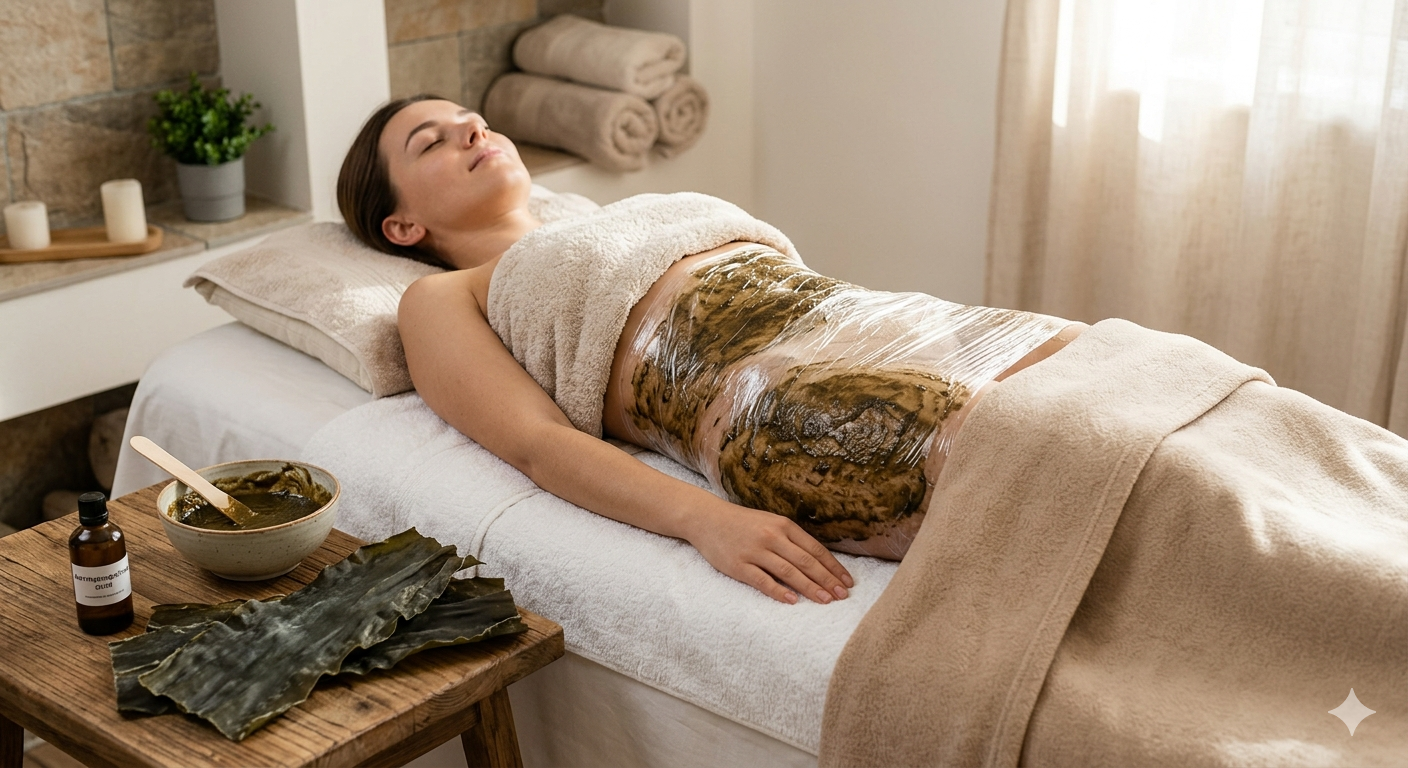
Cellulite is not a cosmetic flaw - it is a structural change in the subcutaneous fatty tissue. Fat cells expand in volume, compress lymphatic and blood vessels, and disrupt microcirculation. As a result, tissues become swollen, the skin loses its firmness and develops a characteristic uneven, dimpled texture. Creams and scrubs only work on the surface. Wraps go deeper - they warm the tissues, activate lymphatic drainage, and deliver active ingredients directly to the problem area.
How Wraps Fight Cellulite
During a wrap, the body is covered with film over the applied compound. This creates a thermal chamber effect: the skin temperature under the film rises by 1.5-2 degrees Celsius. This overheating triggers a chain of physiological reactions that produce the anti-cellulite effect.
First - the capillaries dilate and blood flow in the subcutaneous tissue increases. Fat cells begin to release accumulated substances more actively. Second - the lymphatic system is activated: lymph that had been stagnating in the intercellular space starts moving, carrying away breakdown products and excess fluid. Third - warmed skin becomes 3-5 times more permeable than in its normal state, which greatly enhances the absorption of active ingredients from the compound.
A single wrap session reduces measurements by 0.5 to 2 cm through the removal of excess fluid. This is a temporary effect - the fluid is restored within 24-48 hours. However, a full course of treatments delivers lasting results: the structure of connective tissue improves, the skin texture evens out, and persistent swelling subsides.
Seaweed Wraps
The base of seaweed wraps is crushed or powdered marine algae - most commonly kelp (laminaria), bladderwrack (fucus), and spirulina. Their anti-cellulite action is explained by their rich composition. Laminaria contains up to 40 micro- and macro-elements, including iodine, potassium, magnesium, zinc, and bromine. Alginates - polysaccharides from the cell walls of algae - have a pronounced drainage effect and the ability to bind and eliminate toxins.
Iodine in laminaria stimulates lipolysis - the breakdown of fats directly inside fat cells. This is why seaweed wraps are considered among the most effective for cellulite: they act on fatty tissue not only mechanically (through heat and pressure) but also biochemically.
Seaweed wraps come in hot and cold varieties - these are fundamentally different procedures. In a hot wrap, the compound is applied heated to 38-42 degrees Celsius, the body is wrapped in film and additionally covered with a blanket. The thermal effect is at its maximum and active ingredients penetrate deeper. A cold wrap is performed with a room-temperature or slightly cooled compound - in this case the blood vessels constrict, the lymphatic drainage effect is enhanced, and swelling subsides faster. The cold option is better suited for pronounced edema and visible capillary networks, while the hot option works better for dense, fibrous cellulite.
The expected result of a course of 8-10 seaweed wraps: a reduction of 3-7 cm in the hips and waist, evening out of skin texture, and improved firmness. The procedure is suitable for most skin types and is particularly effective for stage 2-3 cellulite.
Mud Wraps
Therapeutic muds are natural formations with a high concentration of minerals, organic acids, enzymes, and biologically active substances. Three main types of mud are used for anti-cellulite wraps.
- Sulfide silt mud - forms at the bottom of saltwater bodies. Contains hydrogen sulfide, iron sulfides, and a large amount of mineral salts. Has a pronounced anti-inflammatory and drainage effect. The most intensive of the three types.
- Peat mud - a product of decomposed plant matter. Rich in humic acids and organic compounds. Gentler in effect, well-suited for sensitive skin.
- Sapropel mud - sediment from freshwater bodies. Contains amino acids, B and E vitamins, and carotenoids. Nourishes the skin and provides a moderate lifting effect.
The primary mechanism of mud wraps is thermal. Mud has high heat capacity: heated to 38-45 degrees Celsius, it slowly and evenly releases heat into the tissues throughout the entire session (40-50 minutes). This provides a longer-lasting warming effect than other types of wraps. The prolonged heat exposure causes deep dilation of blood vessels, accelerates metabolism in fatty tissue, and softens fibrous nodules.
At the same time, mineral saturation takes place: salts, organic acids, and mud enzymes are absorbed through the warmed skin. They normalize the skin's acid-base balance, stimulate collagen production, and strengthen capillary walls.
Mud wraps are the optimal choice for fibrous cellulite (dense nodules, skin that barely folds), chronic lymphatic stagnation, and cellulite combined with joint pain. Course length: 8-12 sessions. Result: noticeable softening of dense cellulite zones, a reduction of 4-6 cm in hip circumference, and improved skin tone.
Chocolate Wraps
Chocolate wraps do not use bar chocolate - they use a specialized cosmetic compound based on cocoa powder or cocoa butter with added active ingredients. From an anti-cellulite standpoint, three substances play the key role.
Theobromine - an alkaloid of cocoa, structurally similar to caffeine. It stimulates fat breakdown in adipocytes, improves microcirculation, and has a pronounced drainage effect. Caffeine (also present in cocoa) enhances lipolysis and constricts blood vessels, producing a firming effect. Cocoa polyphenols are powerful antioxidants that neutralize free radicals in the tissues and protect collagen fibers from breakdown.
Cocoa butter in the compound deeply nourishes the skin: its fatty acids (oleic, stearic, palmitic) restore the lipid barrier and increase elasticity. This is why chocolate wraps outperform the other two types in terms of skin care benefits.
In terms of anti-cellulite intensity, chocolate wraps are less powerful than seaweed or mud wraps - they are gentler and less aggressive on the tissues. However, they are the best choice for dry and sensitive skin, for stage 1-2 cellulite, and as a maintenance procedure after an intensive course. A session lasts 45-60 minutes. A course of 6-10 sessions delivers a noticeable improvement in skin texture, a light firming effect, and a reduction in fine cellulite dimpling.
Comparison of Seaweed, Mud, and Chocolate Wraps
All three types of wraps target cellulite, but through different mechanisms and with different levels of intensity. The choice depends on the stage of cellulite, skin type, and specific goals.
| Parameter | Seaweed | Mud | Chocolate |
|---|---|---|---|
| Cellulite stage | 2-3 | 3-4 (fibrous) | 1-2 |
| Skin type | Normal, oily | Normal, dense | Dry, sensitive |
| Primary effect | Lipolysis, drainage | Deep warming, detox | Nourishment, firming |
| Intensity of action | High | Very high | Moderate |
| Session duration | 30-45 min | 40-50 min | 45-60 min |
| Course length | 8-10 sessions | 8-12 sessions | 6-10 sessions |
| Additional effect | Iodine saturation of tissues | Anti-inflammatory | Deep skin hydration |
When the goal is to break down fibrous nodules as quickly as possible, mud wraps are the choice. For edematous cellulite with loose skin, seaweed wraps work better - especially the cold variety. Chocolate wraps are the ideal starting point for first-timers or as the final stage of a course to improve skin condition after intensive treatment.
How to Prepare for a Wrap
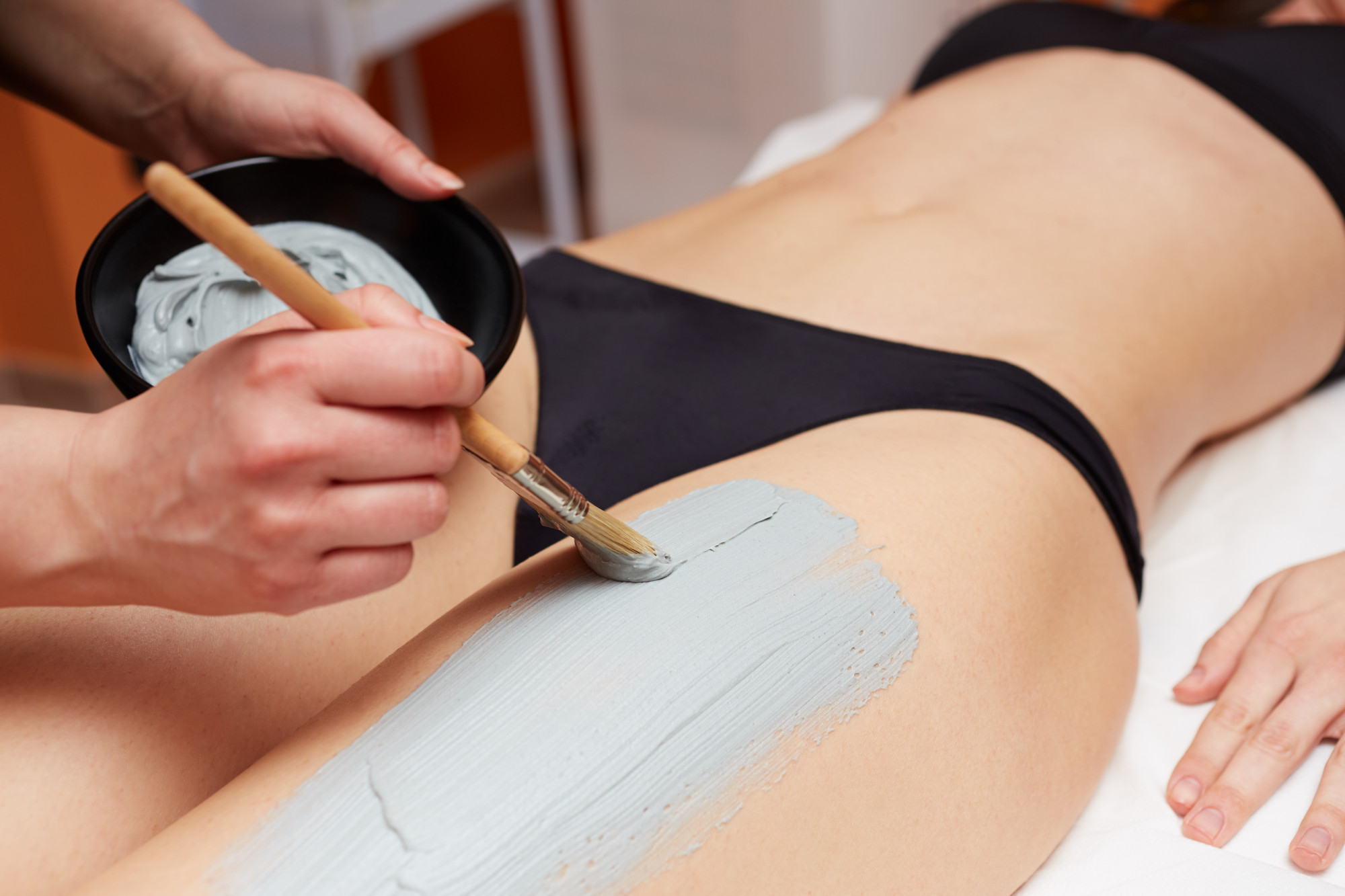
Preparation directly affects the result. Warmed and cleansed skin absorbs active ingredients significantly better than unprepared skin. For this reason, it is recommended to exfoliate the problem areas 1-2 days before the procedure - this removes dead skin cells and opens the pores. Repeat exfoliation immediately before the session is not advised, to avoid irritating the skin.
It is not recommended to eat a heavy meal within 2 hours before a wrap - intense body warming with food in the stomach causes discomfort. Hydration, on the other hand, should be increased: drink at least 500 ml of plain water before and after the procedure to support the active elimination of toxins by the lymphatic system.
Also, before a wrap you should not:
- shave or use hair removal on the treatment area - at least 24 hours before the session
- sunbathe (tanning bed or sun exposure) within 48 hours before the procedure
- apply heavy or oily creams to the skin on the day of the session
After the wrap, the compound is rinsed off with warm water without soap, then a moisturizing or anti-cellulite cream is applied. For 2-3 hours after the procedure, it is advisable to avoid physical exertion and hot baths.
How Many Sessions Are Needed and When to Expect Results
A single wrap session delivers a quick but temporary effect - skin looks firmer and measurements decrease by 1-2 cm due to fluid removal. This result lasts 1-3 days. A full course is required for lasting anti-cellulite results.
The optimal frequency is 1-2 times per week. With less frequent sessions (once every 10-14 days), the tissues do not receive sufficient cumulative impact and the course drags on without improving results. Daily wraps also do not speed up the process - the skin and lymphatic system need time to recover between sessions.
The first visible changes in skin texture appear after 3-4 sessions. A stable result - smoothed cellulite, a reduction of 4-8 cm in problem areas, and a noticeable increase in firmness - is achieved by the end of a course of 8-12 sessions. After completing the course, 1-2 wraps per month are sufficient to maintain results.
It is important to combine wraps with physical activity and adequate water intake - at least 1.5-2 liters per day. Without this, even the most intensive course will deliver less pronounced and less lasting results, because the lymphatic system cannot effectively eliminate breakdown products without sufficient movement and hydration.
Contraindications
Wraps place significant strain on the vascular system and activate metabolic processes, so they come with a number of contraindications. Some apply to all types, others are specific to individual varieties.
Absolute contraindications for any anti-cellulite wraps:
- decompensated varicose veins and thrombophlebitis
- oncological diseases
- pregnancy and breastfeeding
- acute inflammatory and infectious diseases
- skin damage in the treatment area - wounds, burns, eczema in the active phase
- hypertension stage 2-3 and severe heart conditions
Additional restrictions by type. Mud wraps are not recommended for thyroid disorders in the acute phase or for individual intolerance to hydrogen sulfide compounds. Seaweed wraps are contraindicated for hyperthyroidism and iodine allergy: even when applied topically, iodine is absorbed through the skin and affects thyroid function. Chocolate wraps are contraindicated for allergies to cocoa and caffeine.
For diabetes, rosacea, and venous outflow disorders without pronounced varicose veins, the appropriateness of the procedure is decided on an individual basis together with a doctor.
How to Choose the Right Type of Wrap for Your Needs
Anti-cellulite wraps are one of the few cosmetological methods that address cellulite on multiple levels simultaneously: thermal, chemical, and mechanical. With the right choice of type and a consistent course-based approach, they deliver measurable results - smoothed texture, reduced measurements, and improved skin condition.
For dense, long-standing cellulite with pronounced nodules, start with mud or hot seaweed wraps. For thin and sensitive skin with early-stage cellulite, choose chocolate wraps. For maximum effect, alternating types within a single course works well: for example, 6 mud sessions followed by 4 chocolate sessions at the end to nourish and restore the skin after intensive treatment.
The key rule: a wrap is not a one-time procedure before an important event - it is a systematic course of tissue work. Only a consistent approach delivers results that last.
Вернуться на страницу блога


