Sports massage: an addition to training
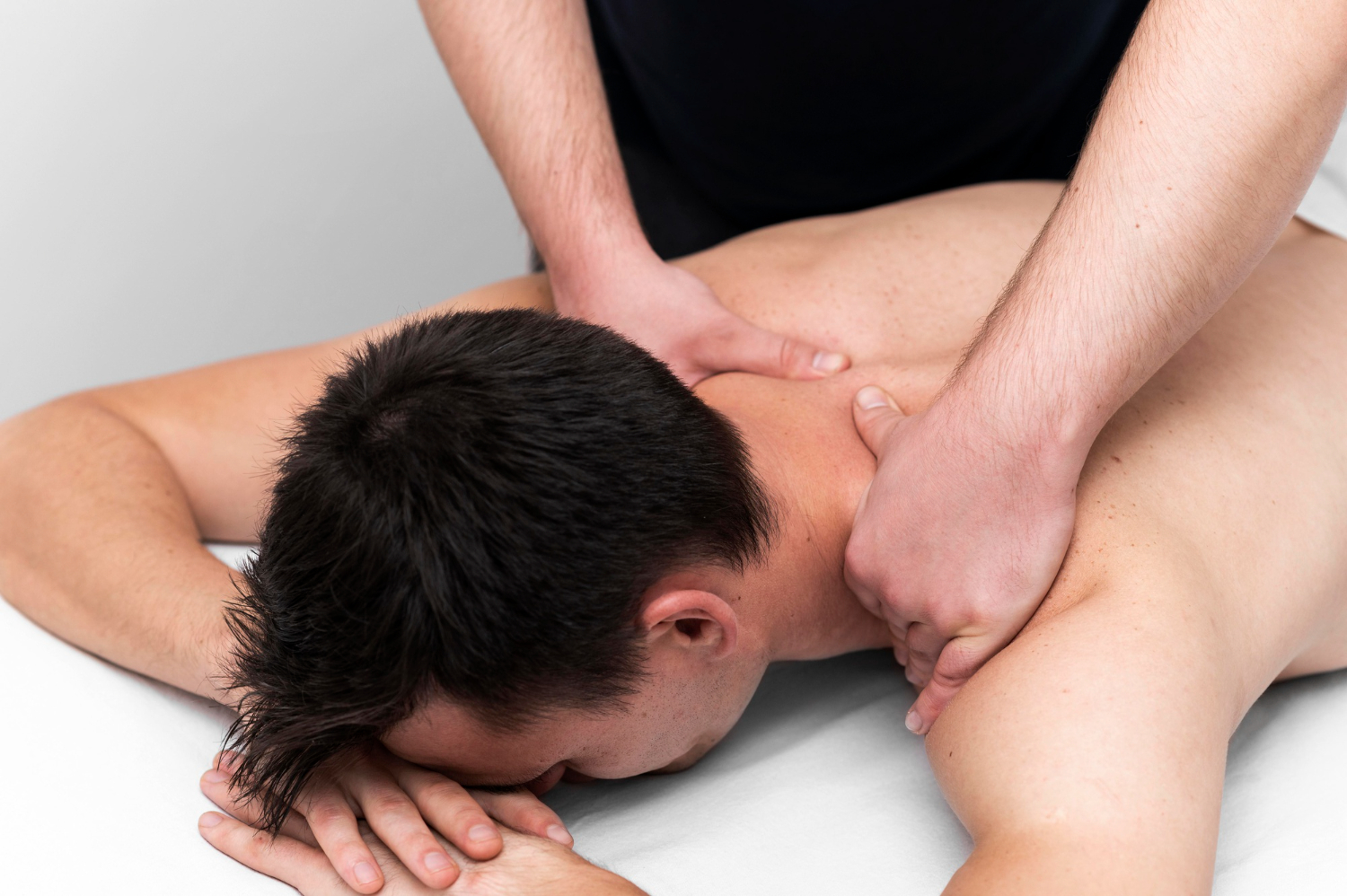
Current research shows that recovery accounts for up to 40% of athletic performance success. At the same time, most fitness enthusiasts devote less than 10% of their total training time to recovery. This is where sports massage becomes an indispensable tool for optimizing the training process.
Sports massage is radically different from the classic relaxation massage. While regular massage is aimed at general relaxation, sports massage solves specific problems: it speeds up muscle recovery by 25-30%, reduces the risk of injury by 50% and increases the effectiveness of training by 15-20%. The pressure of sports massage is 15-25 kg/cm², which is 2-3 times higher than the intensity of classical techniques.
The scientific basis of sports massage is based on sports medicine research. It has been proven that a 20-minute post-workout session reduces creatine kinase levels (a marker of muscle damage) by 30% and accelerates lactate excretion by 40%. These indicators directly correlate with recovery quality and readiness for the next workout.
Physiological basis of the effects of sports massage
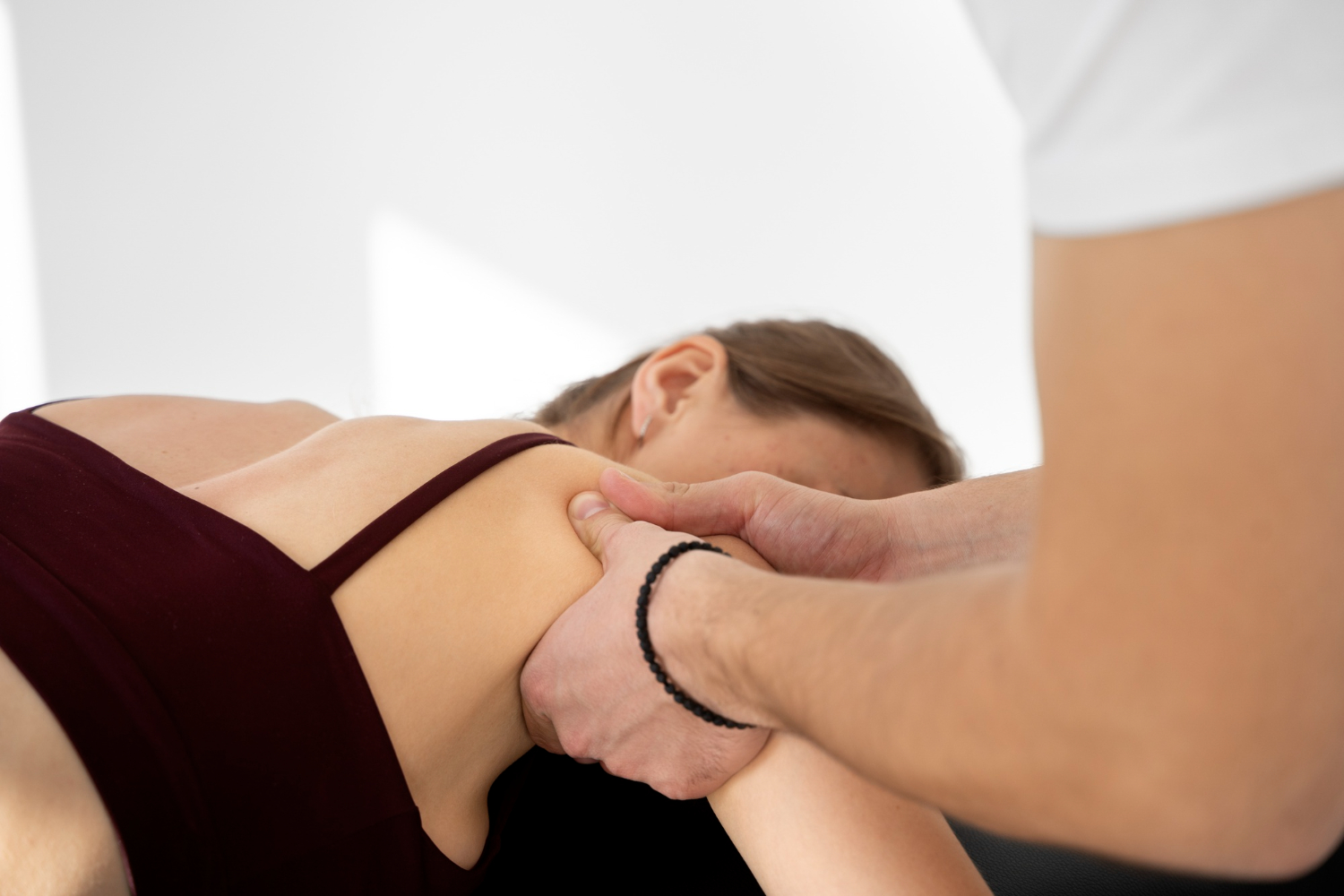
Understanding the mechanisms of the effects of sports massage on the body helps to maximize the effectiveness of this technique. The primary effect is on the cardiovascular system: massage increases local blood flow in the muscles by 200-300%. This means that the massaged area receives 3 times more oxygen and nutrients.
The lymphatic drainage effect is equally important. Sports massage accelerates the outflow of lymph 4-5 times, which is critical for the removal of metabolic waste products. Studies show that without massage it takes 72-96 hours for muscles to fully recover from an intense workout, but with massage this period is reduced to 48-60 hours.
The following changes occur at the muscle level:
- Destruction of fibrous adhesions between muscle fibers
- Increasing elasticity of connective tissue by 15-25%
- Improved sliding of muscle layers relative to each other
- Normalization of muscle tone
Neuromuscular effects are manifested in the reduction of pathological tension and improvement of nerve impulse conduction. Electromyographic studies record a 20-35% decrease in background muscle activity after a sports massage session. This means that the muscles are given the opportunity to fully relax and recover.
The key point is the acceleration of lactic acid excretion. While passive rest reduces the concentration of lactate in the muscles by 50% in 15-20 minutes, massage achieves this in 4-6 minutes. This difference is critical for athletes who train several times a day.
Types of sports massage and their specifics
After understanding the physiological basics, it is important to understand the types of sports massage and their specific tasks. Each type has its own time frame, intensity and purpose of application.
Pre-workout massage lasts 10-15 minutes and is performed 30-60 minutes before training. Its purpose is to prepare the muscles for the upcoming load. The technique includes vigorous rubbing, kneading and vibration techniques. Muscle temperature increases by 2-3°C, which improves muscle contractility by 8-12%. Blood flow increases by 150-200%, providing the muscles with additional oxygen.
Recovery massage is the most common type, performed 2-6 hours after training. The duration of the session is 45-60 minutes with moderate intensity. The main objective is to optimize regeneration processes. Studies show that such massage reduces muscle soreness (DOMS) by 25-40% and accelerates recovery of strength by 20-30%.
Massage between workouts is used on rest days to maintain optimal muscle tone. The duration is 20-30 minutes, intensity is medium. This type is especially effective for high-frequency training (5-6 times a week), as it prevents the accumulation of chronic fatigue.
Rehabilitation massage requires a special approach and is performed in the presence of injuries or pronounced overstrain. The intensity is minimal in the acute phase (first 24-48 hours), then gradually increases. Duration varies from 15 to 90 minutes depending on the stage of recovery. The main goal is to restore normal tissue structure and function without aggravating the injury.
Optimal techniques for different sports
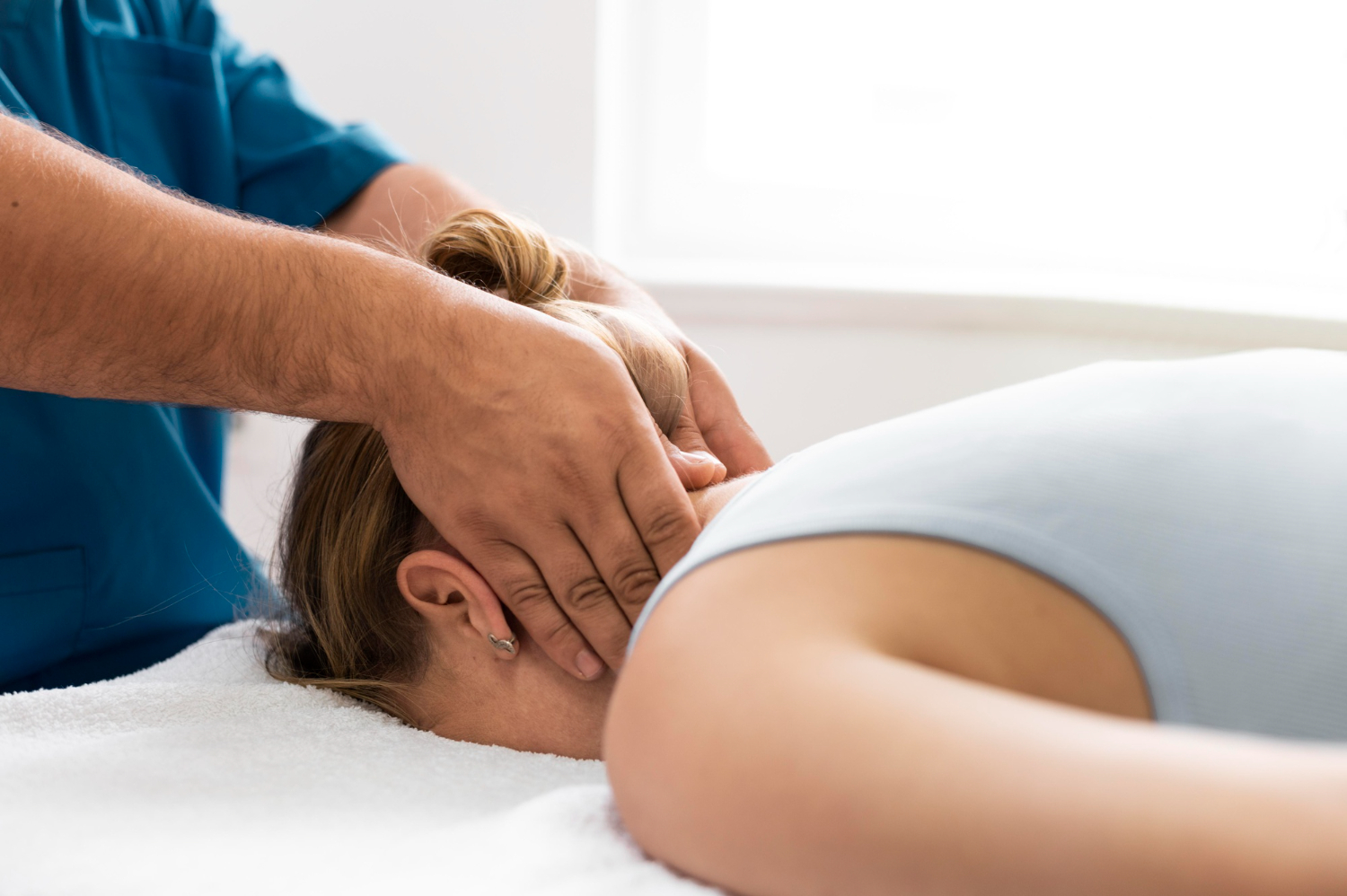
The next thing to consider is how to customize sports massage for specific sports. Each sporting discipline creates characteristic loading patterns that require an individualized approach to massage.
Power sports (powerlifting, bodybuilding, weightlifting) are characterized by high loads on large muscle groups. The emphasis here is on the deep layers of the muscles, using an intense pressure of 20-25 kg/cm². Special attention is paid to the quadriceps, gluteal muscles, broadest muscles of the back and pectoral muscles. The time of action on each group is 8-12 minutes. Effectiveness is demonstrated by an increase in strength performance by 10-15% with regular use.
Cardio training and running create a specific load on the lower limbs and respiratory muscles. The main focus is on the calf muscles, the anterior and posterior thighs, as well as the intercostal muscles and diaphragm. The technique involves long longitudinal movements to improve venous outflow. Studies show that for runners, this massage reduces the recovery time after a marathon from 7-10 days to 4-5 days.
For game sports (soccer, basketball, tennis), a comprehensive approach is required because virtually all muscle groups are involved. Massage includes:
- Lower extremities (40% of session time)
- Back and lower back (25% of time)
- Shoulder girdle and arms (20% of time)
- Neck and head (15% of time)
Features work on muscles that provide quick changes of direction and explosive power.
Swimming and water sports require special attention to the shoulder girdle, which does up to 80% of the work. Massage of the deltoid muscles, shoulder rotator cuff, and broadest muscles of the back should be particularly thorough. Techniques imitating swimming movements are used, which improves neuromuscular coordination by 12-18%. The time spent on the upper body is 70% of the total session duration.
The timing aspect: when and how often to give a sports massage
After learning the techniques for different sports, it is important to understand the optimal timing of the treatments. Choosing the right time intervals increases the effectiveness of the massage by 30-40%.
Pre-exercise massage is performed 30-60 minutes before the load. This time is necessary to stabilize increased blood flow and normalize nerve excitability. Studies show that massage immediately before training (less than 15 minutes) can reduce strength performance by 8-12% due to excessive muscle relaxation.
Recovery massage is most effective 2-4 hours after training. During this period, the acute phase of the inflammatory response is over, but the formation of fibrous adhesions has not yet begun. Massage 6-8 hours after exertion shows an effectiveness 25% lower.
The frequency of sessions depends on the intensity of the training process:
- In case of daily training - massage 3-4 times a week
- If training 4-5 times a week - 2-3 massage sessions
- When training 2-3 times a week - 1-2 massage sessions
The duration of the procedures varies from 15 minutes (pre-workout) to 90 minutes (deep recovery). The optimal duration of a standard recovery massage is 45-60 minutes. Shorter sessions (less than 30 minutes) do not provide a full impact on the deep muscle layers.
Seasonal periodization also plays a role. In the preparatory period, the frequency of massage is increased to 4-5 times per week to adapt to increasing loads. In the competitive period, the emphasis shifts to supportive sessions 2-3 times a week. In the transition period, 1-2 sessions are sufficient to prevent congestion.
Contraindications and precautions
Next, it is necessary to consider situations where sports massage can cause harm. Despite its proven effectiveness, there are conditions in which massage therapy is contraindicated or requires special caution.
Absolute contraindications include acute inflammatory processes with a body temperature above 37.5°C, thrombophlebitis, acute traumas with disruption of tissue integrity, and skin diseases in the acute stage. In the presence of these conditions, massage can aggravate the pathological process and delay recovery.
Work with acute injuries requires special attention. In the first 24-48 hours after the injury, massage of the injured area is strictly prohibited. Only light pressure can be applied to distant areas to improve the general circulation. The intensity should not exceed 5-8 kg/cm², which is 3 times less than a standard sports massage.
Individual reactions of the body may manifest themselves as:
- Hypersensitivity of the skin
- Tendency to hematoma formation at pressures above 15 kg/cm²
- Autonomic reactions (dizziness, nausea)
- Increased pain sensations instead of their reduction
If such symptoms appear, the intensity of exposure is reduced by 40-50%, and the duration of the session is reduced to 20-30 minutes.
Self-massage requires compliance with special safety rules. The pressure should not exceed 10-12 kg/cm², as it is difficult to control the intensity when performing it yourself. The treatment time per area should be limited to 3-5 minutes to avoid over irritation of the tissues.
Practical recommendations for maximum effectiveness
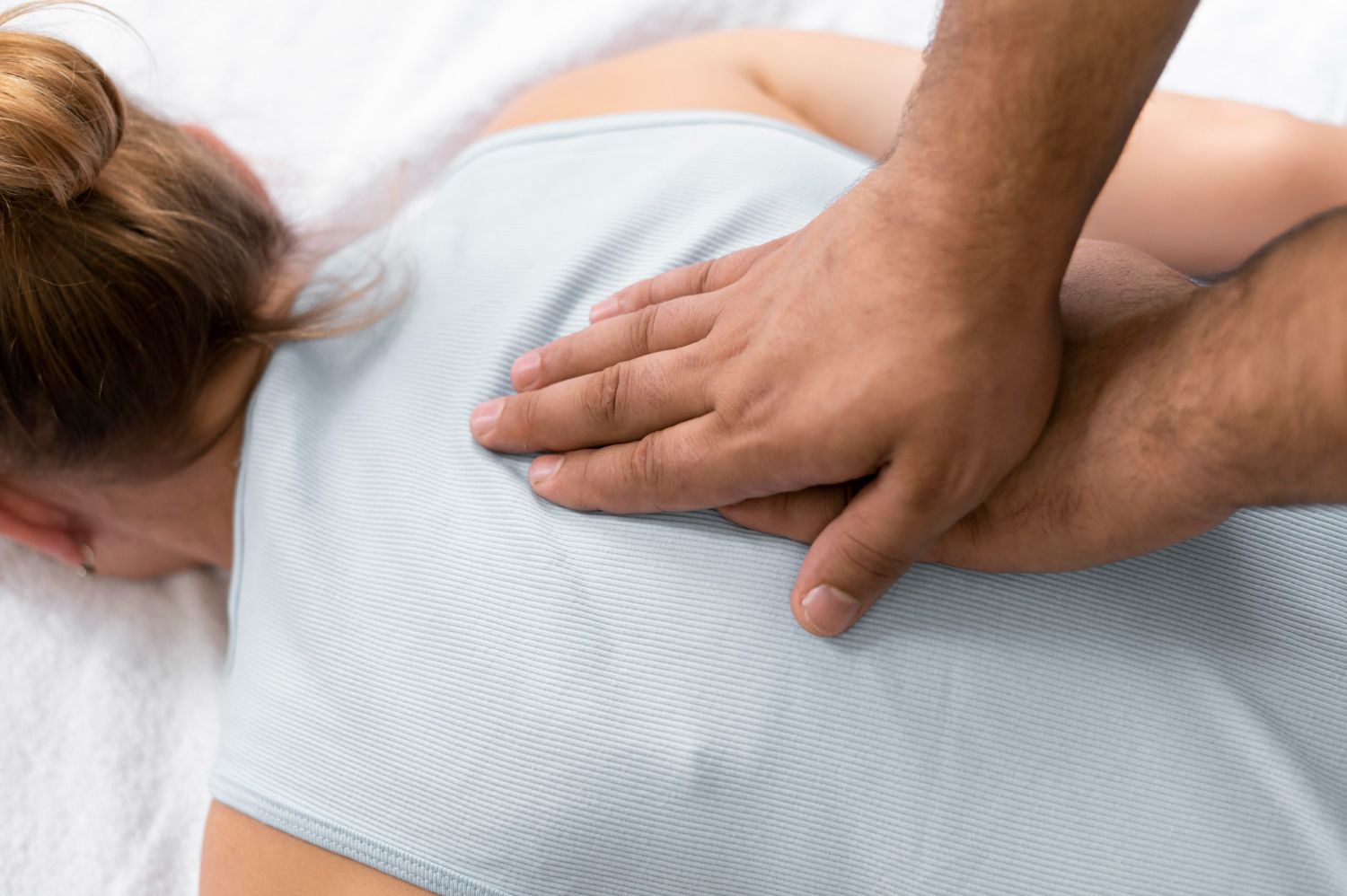
After studying the contraindications, it is necessary to understand the practical aspects of preparing and carrying out procedures. Proper preparation increases the effectiveness of massage by 20-25%.
Preparation for the procedure begins 2-3 hours before the session. It is recommended to refrain from heavy meals - the last meal should be at least 1.5 hours before the massage. Fluid intake is limited to 200-300 ml one hour before the procedure to avoid discomfort. Alcohol and energy drinks are excluded 12-24 hours in advance.
The optimal room temperature is 22-24°C with 50-60% humidity. At lower temperatures the muscles remain tense, which reduces the effectiveness of the treatment by 15-20%. Overheating the room (above 26°C) can cause excessive sweating and discomfort.
The choice of a professional is a critical success factor. A professional sports massage therapist should have:
- Medical or physical education
- Specialization in sports massage (at least 200 hours of training)
- Experience working with athletes in your sport
- Knowledge of anatomy and physiology of sports loads
Integration of massage into the training plan requires coordination with the coach. Massage should not coincide with control training or testing days, as it can temporarily reduce quickness and explosive power by 5-8%. Optimal placement is after high-volume, moderate-intensity workouts.
Combination with other recovery treatments enhances the effect. The sequence of procedures is important:
- Sauna or bath (10-15 minutes) - muscle preparation
- Sports massage (45-60 minutes) - main effect
- Cold treatments (3-5 minutes) - consolidation of the effect
- Stretching (15-20 minutes) - muscle length recovery
This combination increases the recovery rate by 35-40% compared to the isolated application of massage.
Вернуться на страницу блога


