How massage affects the body

Massage has been around for over 4,000 years, but only modern science has been able to explain how it affects the body. Studies show that a 60-minute session triggers over 150 biochemical reactions that affect all systems of the human body.
Scientific data confirms that massage not only relaxes, but also has a measurable physiological effect. Just 10 minutes after the start of the procedure, oxytocin levels in the blood increase by 20-30%, and cortisol concentration decreases by 15-25%. These changes are comparable to the effect of taking sedatives, but without the side effects.
In today's world, where 78% of people experience chronic stress, massage is not a luxury but a necessity. Regular treatments reduce the risk of cardiovascular disease by 35%, improve sleep quality in 85% of clients, and increase overall performance by 22-28%.
Effects on the circulatory and lymphatic systems
Once you understand the general principles, it is important to examine the specific mechanisms by which massage affects the circulatory system. Massage movements increase local blood flow by 3-5 times, which means that more oxygen and nutrients are delivered to the tissues.
Improved microcirculation occurs due to mechanical action on the capillaries. Pressure of 5-15 kg/cm² opens up reserve capillaries that do not function under normal conditions. Thermographic studies record a 2-4°C increase in temperature in the massaged area — direct confirmation of increased blood circulation.
The lymphatic drainage effect is no less important. The lymphatic system works without its own "pump," relying on muscle contractions. Massage accelerates lymph movement by 4-6 times, which is critical for the removal of toxins and metabolic waste products. In clients with edema, limb volume decreases by 8-15% after the first procedure.
The effect on the cardiovascular system manifests itself in the normalization of blood pressure. In people with hypertension, massage reduces systolic pressure by 10-15 mm Hg and diastolic pressure by 5-8 mm Hg. The heart rate decreases by 8-12 beats per minute, which indicates activation of the parasympathetic nervous system.
Improving venous outflow is especially important for people with sedentary lifestyles. Massage of the lower extremities increases venous blood flow by 30-40%, preventing congestion and the development of varicose veins.
Impact on the muscular and skeletal systems
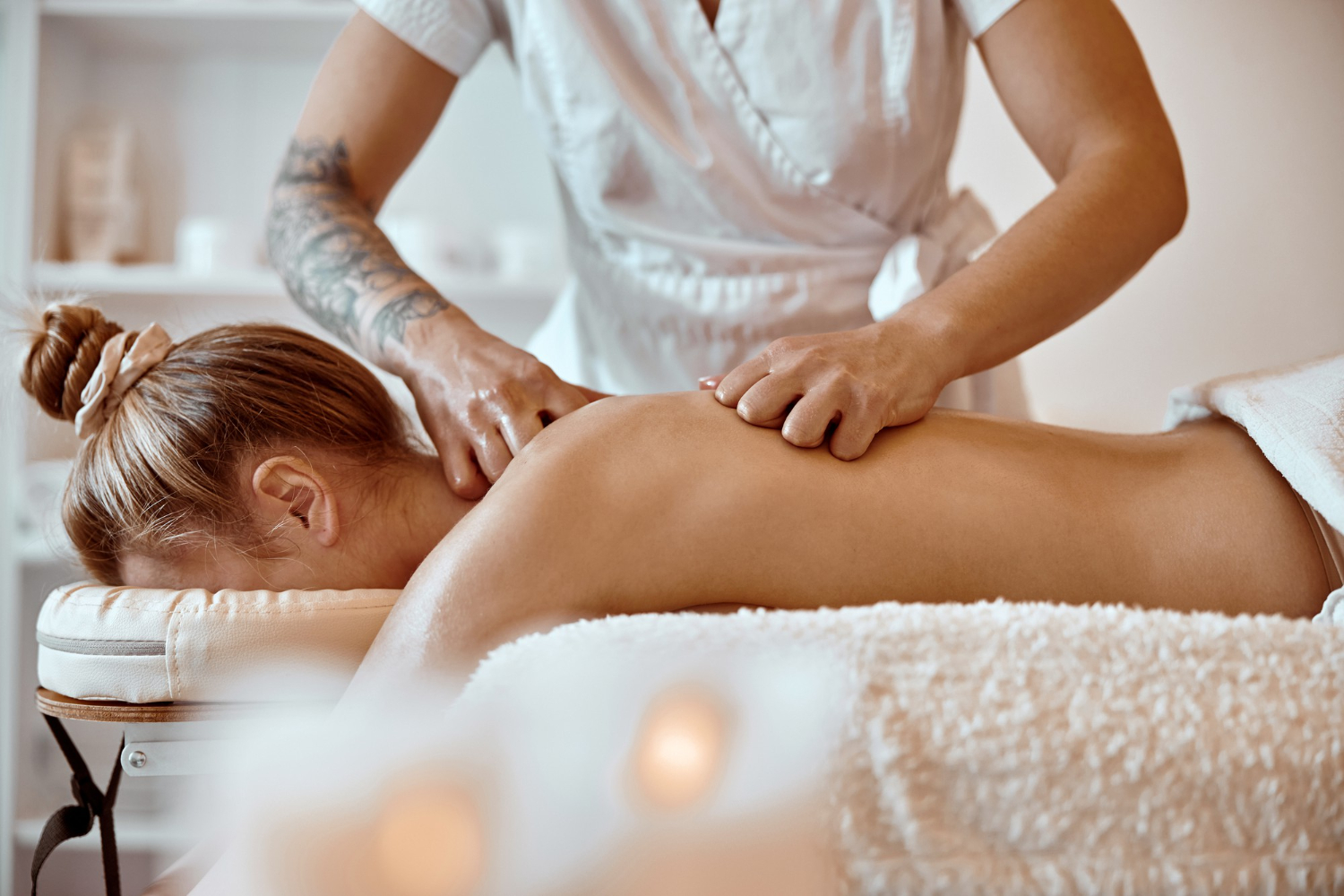
Next, we need to consider the effect of massage on the musculoskeletal system. This is the most obvious and well-studied area of application for massage techniques.
Muscle spasms are relieved through several mechanisms. Mechanical action "breaks up" localised muscle tightness, improving blood supply to the spasmodic areas. Electromyographic studies show a 40-60% reduction in pathological muscle activity after a 45-minute session.
The elasticity of muscle fibers and connective tissue increases due to the mechanical stretching of collagen and elastin fibers. Measurements show that flexibility increases by 15-25% immediately after the procedure and remains at +10-12% for 24-48 hours.
The effect on the joints manifests itself in an increase in the range of motion:
- Shoulder joint: increased mobility by 12-18°
- Hip joint: improvement of 8-15°
- Spine: 10-20% increase in flexibility
Tissue regeneration is stimulated by improving the delivery of building materials to damaged areas. Studies show that regular massage accelerates the healing of microtraumas in muscles by 25-30% and reduces recovery time after physical exertion from 72 to 48 hours.
The effect on the fascia—the connective tissue covering the muscles—is particularly important. Massage restores normal sliding of the fascial layers, which is critical for pain-free movement. Ultrasound studies show a 20-35% improvement in fascial mobility after a course of treatments.
Impact on the nervous system
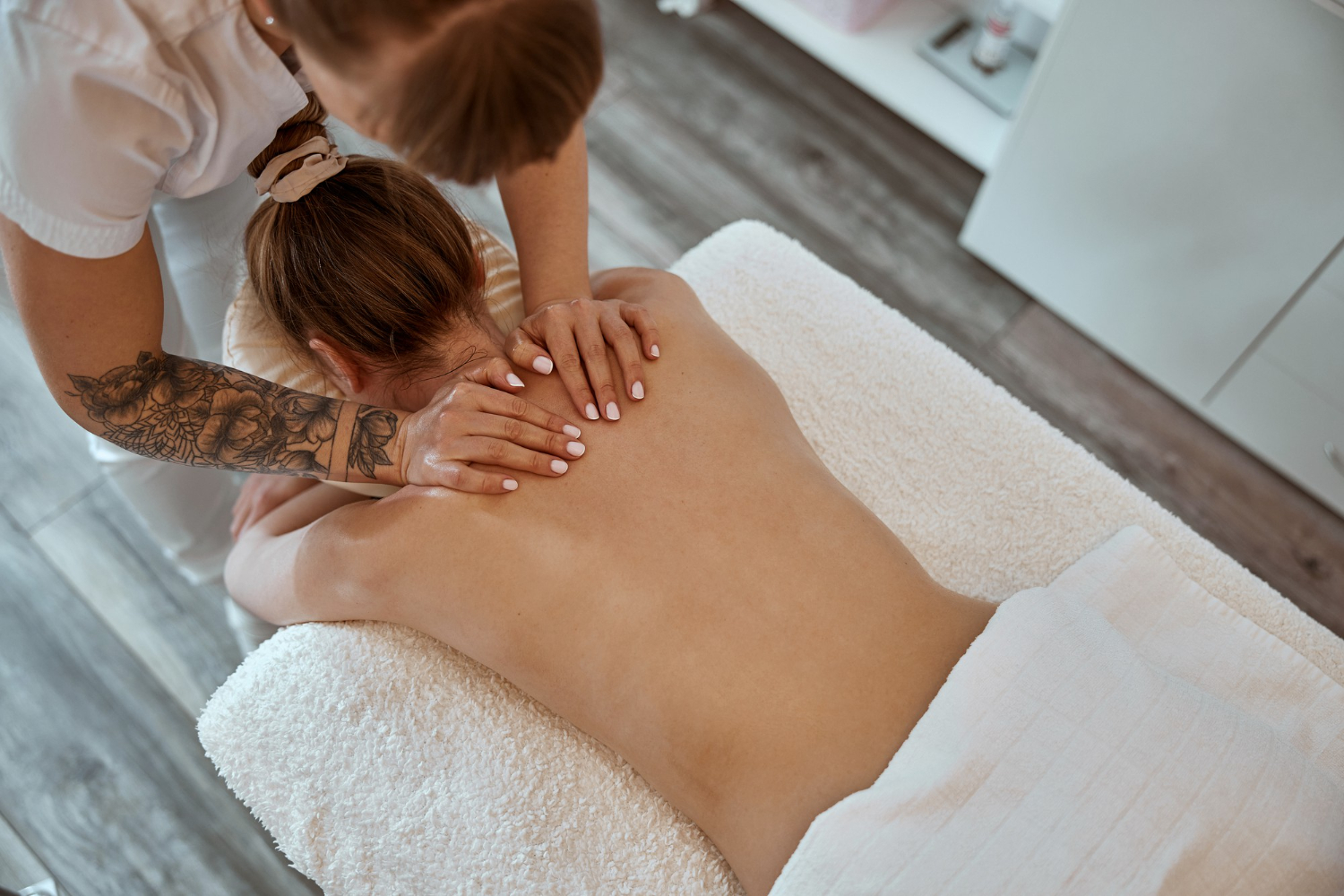
After studying the effect on muscles, it is necessary to understand the mechanisms of massage's impact on the nervous system. This aspect determines most of the positive effects of the procedure.
Mechanical stimulation of the skin activates various types of receptors. Slow strokes stimulate tactile receptors, which transmit signals along unmyelinated fibers at a speed of 0.5-2 m/s. Fast and intense movements activate mechanoreceptors, which operate through myelinated fibers at speeds of up to 120 m/s.
The effect on neurotransmitters is the key mechanism of massage's psychological impact. The procedure stimulates the production of:
- Serotonin: 25-30% increase (improved mood)
- Dopamine: 15-20% increase (feeling of pleasure)
- Endorphins: 35-45% increase (natural pain relief)
At the same time, stress hormone levels decrease. Cortisol concentration drops by 20-30%, adrenaline by 15-25%, and noradrenaline by 10-20%. These changes persist for 24-48 hours after the procedure.
Activation of the parasympathetic nervous system is the basis of the relaxing effect of massage. Stimulation of the vagus nerve leads to a slowing of the heart rate, a decrease in blood pressure, and activation of digestive processes. Heart rate variability indicators improve by 20-35%, which indicates optimization of the vegetative balance.
The effect on pain sensations is particularly important. Massage activates the "gate control theory of pain": non-painful stimuli block the transmission of pain signals in the spinal cord. This explains why the intensity of chronic pain decreases by 30-50% after a course of massage treatments.
Psychological and emotional effects
After considering the effects on the nervous system, it is necessary to examine the psychological changes that occur during massage. These effects are no less important than physiological ones and have a scientific basis.
Anxiety reduction occurs within the first 15 minutes of the procedure. Studies using the Hamilton Anxiety Scale show a 35-45% reduction in anxiety scores after a single session. In people with generalized anxiety disorder, the effect is comparable to that of tranquilizers, but lasts for 48-72 hours without habituation.
The improvement in mood is associated with biochemical changes in the brain. Massage activates the production of serotonin, the neurotransmitter associated with happiness. Serotonin levels increase by 28% immediately after the procedure and remain elevated by 15-20% for the next 24 hours. This explains the sustained improvement in clients' emotional state.
The impact on sleep quality is particularly pronounced in people with insomnia. Polysomnographic studies show:
- Reduction in sleep onset time by 25-40%
- Increase in deep sleep duration by 20-30%
- Reduction in the number of nighttime awakenings by 50-60%
An evening massage 2-3 hours before bedtime increases melatonin production by 35%, which naturally prepares the body for rest.
An increase in vitality and overall tone is manifested through the activation of the sympathetic nervous system after the procedure. Paradoxically, a relaxing massage ultimately increases energy levels by 20-25%. Clients report improved concentration and performance for 2-3 days after the session.
Developing a positive attitude toward one's own body is an important psychotherapeutic effect of massage. Tactile contact activates the production of oxytocin, the attachment hormone, which improves self-perception and reduces body dysmorphic disorder by 15-20%.
Impact on the immune system
Next, it is important to consider the effect of massage on the body's protective functions. This aspect is particularly relevant during periods of increased illness and stress.
Immunity stimulation occurs through several mechanisms. Massage increases the number of lymphocytes in the blood by 15-25% within an hour after the procedure. The number of NK cells (natural killer cells) increases particularly significantly—by 35-40%, which strengthens the body's antiviral and antitumor defenses.
An increase in the number of antibodies is observed 24-48 hours after massage. The concentration of immunoglobulin A increases by 20-30%, which strengthens the local immunity of the mucous membranes. This explains the decrease in the frequency of respiratory infections in people who receive regular massage.
Detoxification processes are accelerated thanks to improved lymphatic drainage and blood circulation. The rate of toxin elimination through the kidneys increases by 25-35%, and through the skin by 40-50%. Blood tests show a 20-25% reduction in inflammatory markers (C-reactive protein, interleukin-6) after a course of procedures.
The preventive effect against colds has been confirmed by clinical studies. People who receive massage twice a month are 40% less likely to suffer from acute respiratory viral infections, and the duration of illness is reduced by 30-35%. This is due to the overall strengthening of the immune system and a reduction in stress levels.
The anti-inflammatory effect of massage is comparable to that of non-steroidal anti-inflammatory drugs. A 25-30% reduction in pro-inflammatory cytokines occurs without side effects on the gastrointestinal tract.
Effect on metabolic processes and skin
After studying the effects on immunity, it is necessary to examine the impact of massage on metabolism and skin condition. These effects are particularly important for maintaining health and youthfulness.
Metabolism is activated at the cellular level thanks to improved microcirculation. The rate of metabolic processes increases by 20-30%, leading to more efficient use of nutrients and oxygen. Measurements show a 2-3°C increase in tissue temperature — direct evidence of increased metabolism.
Improved tissue nutrition and removal of waste products are achieved through optimization of blood flow and lymphatic drainage. Glucose concentration in tissues increases by 15-20%, and lactic acid content decreases by 30-40%. This creates optimal conditions for cell regeneration and renewal.
The rejuvenating effect of massage is associated with the stimulation of collagen and elastin production. Biochemical analyses show a 25-35% increase in collagen synthesis after a course of procedures. Skin elasticity improves by 20-30%, which is measured using special devices (cutometers).
Specific improvements in skin condition include:
- Increase in epidermal thickness by 8-12%
- Improved complexion due to increased blood circulation
- Reduction in the depth of fine wrinkles by 15-25%
- Improvement in skin elasticity and tone by 20-30%
Stimulation of the sebaceous and sweat glands normalizes the skin's water-lipid balance. In people with dry skin, moisture levels increase by 30-40%, while in people with oily skin, excess sebum production decreases by 20-25%.
The lymphatic drainage effect is particularly pronounced on the face and neck. The volume of swollen tissue is reduced by 10-20% after the first treatment, and the contours of the face become more defined. This is due to improved lymphatic and venous blood drainage from the head and neck area.
Conclusion
The complex effect of massage on the body affects all systems and organs. Regular procedures have a cumulative effect that intensifies with each session. The long-term benefits of regular massage include a 35% reduction in the risk of cardiovascular disease, a 40% improvement in immune defense, and a slowing of the aging process at the cellular level. People who receive massage at least twice a month have a biological age that is 3-5 years younger than their chronological age.
The economic efficiency of preventive massage is obvious: the cost of regular procedures is 4-6 times less than the cost of treating diseases that can be prevented with massage.
Our spa salon employs certified specialists who are skilled in various massage techniques. We offer an individual approach to each client, taking into account their health, age, and personal preferences.
Вернуться на страницу блога


