Trichology and haircut: how to choose the right haircut for your hair type
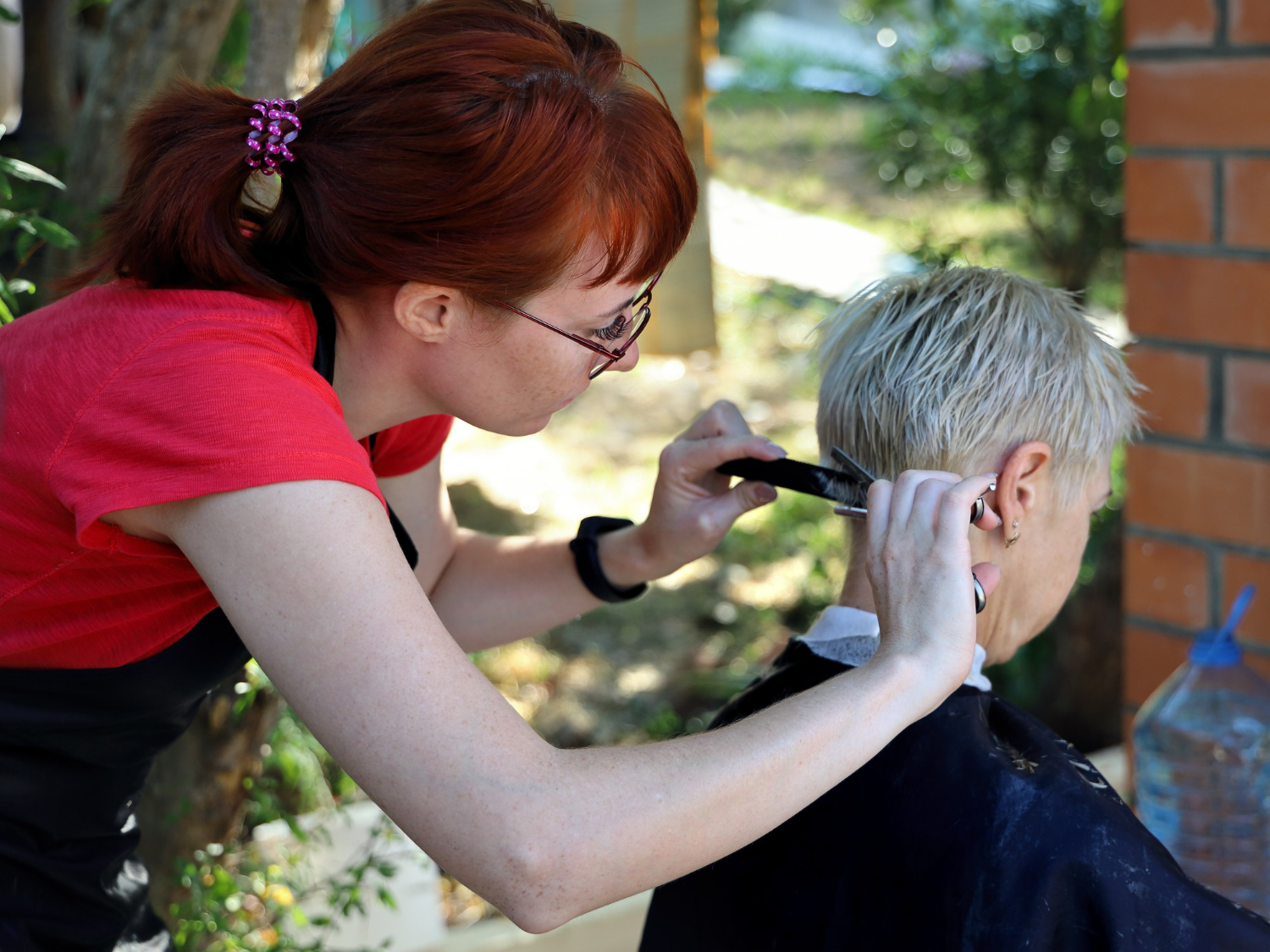
The art of creating a beautiful hairstyle begins not with scissors, but with understanding the nature of hair. Trichology - the science that studies the structure, function and diseases of hair - confirms that the wrong haircut can exacerbate existing hair problems and even create new ones. According to the International Trichology Association, more than 78% of people are dissatisfied with their hair because of inappropriate haircuts that do not take into account their individual characteristics.
The right haircut can not only emphasize the advantages of your appearance, but also significantly improve the health of your hair. Studies show that regular haircuts tailored to the type of hair can increase its growth rate by 15-20% and reduce breakage by 25-30%. This is especially true for residents of cities with hard water and high levels of air pollution.
Trichological approach to the choice of haircut takes into account not only aesthetic preferences, but also biological characteristics of hair. Unlike the standard hairdressing approach, it takes into account the state of hair follicles, the density of hair per square centimeter of skin, the structure of the hair shaft and even the chemical composition of keratin in the hair of a particular person.
The main types of hair from the point of view of trichology
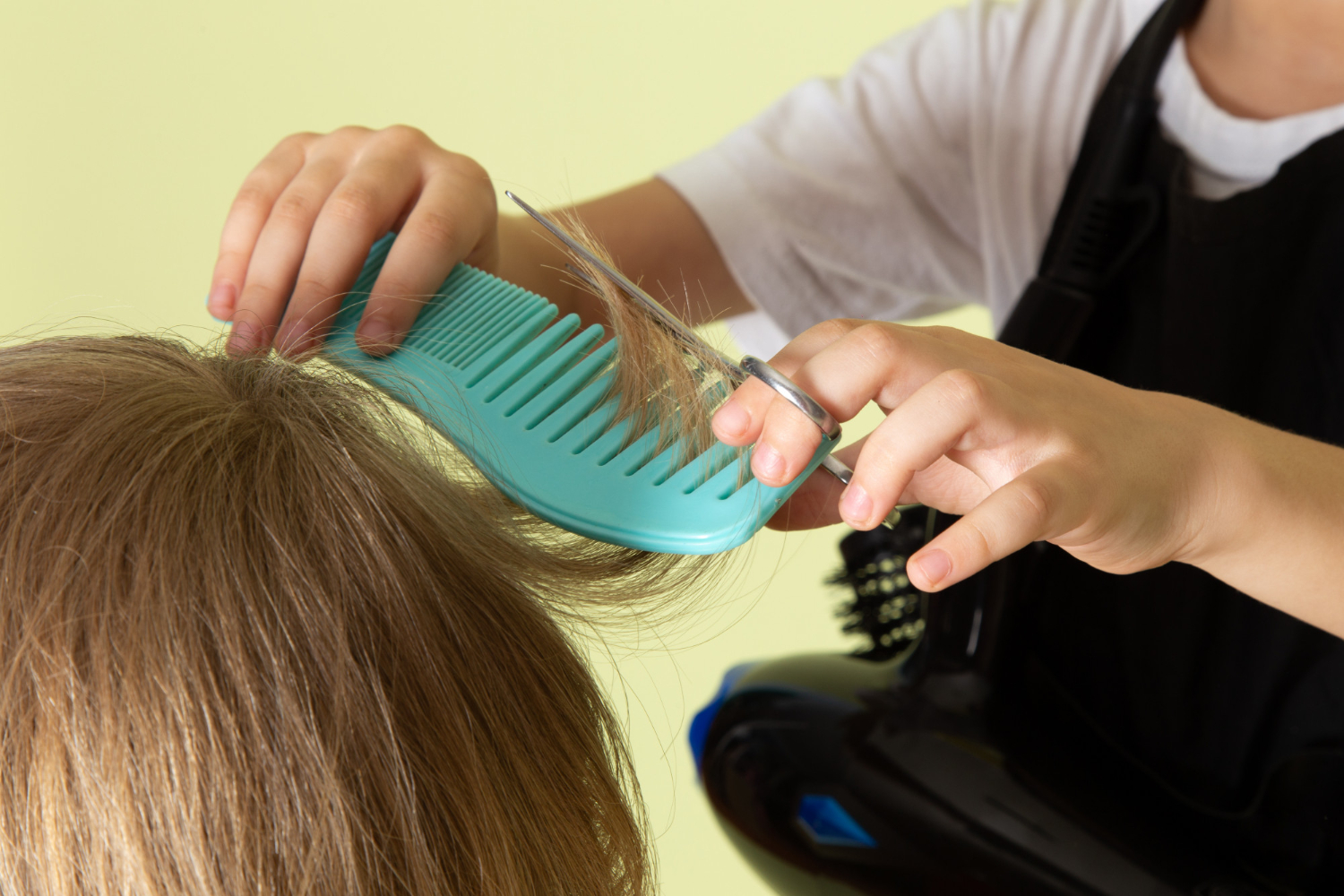
Before choosing a haircut, it is necessary to determine the structure of your hair. Trichological classification distinguishes three main types of hair according to the thickness of the hair shaft:
- Fine hair - hair diameter less than 0.05 mm
- Normal hair - hair diameter between 0.06 and 0.08 mm
- Thick hair - hair diameter of 0.09 mm or more.
To determine the type, just take one hair and roll it between your fingers - if you can barely feel it, your hair is probably fine; if the hair is well felt, it is thick.
In terms of shape, hair is categorized according to the Andre Walker International System:
- Type 1 - straight hair that reflects light like a mirror
- Type 2 - wavy hair with an S-shaped bend.
- Type 3 - curly hair with pronounced curls
- Type 4 - very curly or Afro-textured hair with tight curls
An important characteristic that influences the choice of haircut is the porosity of the hair - its ability to absorb and retain moisture. Highly porous hair has raised cuticle scales and absorbs water quickly, but loses it just as quickly, making it prone to frizz. Low-porosity hair with tightly fitting scales absorbs moisture slowly but stays moisturized longer. Haircuts should take this into account - for example, layered cuts often increase frizz in highly porous hair.
Hair density (the amount of hair per square centimeter of scalp) is also critical when choosing a haircut. The average density is 175-300 hairs/cm², but individual values can vary considerably. Low density (less than 130 hairs/cm²) requires haircuts that visually add volume, while high density (more than 300 hairs/cm²) often involves thinning techniques.
Features of haircuts for fine hair
Fine hair is characterized by a smaller amount of cortex (middle layer of hair), which makes it more vulnerable to mechanical and chemical influences. Trichological studies show that hair with a diameter of less than 0.05 mm is 30% less resistant to tension and 40% more susceptible to heat damage than normal hair.
Optimal haircuts for fine hair should create the illusion of volume without stressing the hair. The most effective techniques include:
- Point cutting - creates texture without thinning the hair
- Slice cutting - a technique where the cut is angled to increase the cross-sectional area of the ends.
- Blunt cut - a straight cut line that visually thickens the hair.
Classic haircuts favorable for thin hair include the mid-length bob, pixie with long bangs and the blunt cut bob. A study of 500 women with thin hair found that switching from long hair to a bob cut increased visual volume by an average of 27%.
A serious mistake when cutting fine hair is excessive filleting. Trichologists note that such a technique can reduce volume by up to 40% and significantly weaken the structure of the hair. Too long haircuts are also undesirable - hair longer than 25-30 cm becomes heavy relative to its structure and loses volume at the roots.
Another common mistake is to create too short layers at the top of the head. Studies show that the optimal length of the top strands for fine hair is 7-12 cm, which allows them to hold their shape and create the necessary height without additional stress.
Selecting haircuts for normal to thick hair
Normal hair with a diameter of 0.06-0.08 mm has an optimal ratio of strength and flexibility. They contain a sufficient amount of cortex and have a well-developed protective cuticular layer. This is the most favorable type for experimenting with haircuts, but even here there are trichological nuances.
Multilayered haircuts that create dynamics and movement are suitable for normal hair: cascade, staircase, graduated bob. It is important to keep a balance between the length of layers - the optimal difference between neighboring levels is 2-4 cm, which allows you to create a smooth transition without the effect of "failures".
Texturizing techniques such as chunking and spot filleting work well on normal hair to create a modern look without compromising on health. Trichologists recommend using filing scissors with 28-30 teeth for gentle volume distribution.
Thick hair (diameter of 0.09 mm or more) is characterized by more cortex and often higher density. Haircuts for this hair type should control volume and heaviness while emphasizing its natural strength.
Key techniques for thick hair include:
- Deep filleting - removes up to 20-25% of volume to lighten heavy hair
- 45° Slicing Technique - creates movement and reduces massiveness
- Channel cutting - creates hidden channels to distribute volume
Medium length haircuts with inner layers (such as a long bob with inner layers) are ideal for thick hair. Studies show that proper weight distribution with inner layers can reduce styling time by 40% and reduce the need for styling products by 30%.
A common mistake when working with thick hair is to create outer layers that are too short, resulting in an undesirable "triangular" silhouette. The optimal ratio between inner and outer layers should be 1:2, which keeps the shape balanced.
Trichologists also warn against excessive thinning of thick hair with a razor - such a technique can damage the cuticle and create an uneven texture that will look sloppy as it grows back. It is preferable to use the "point cutting" technique or filing scissors with wide teeth (no more than 15-20 teeth).
Choosing a haircut depending on the shape of your hair
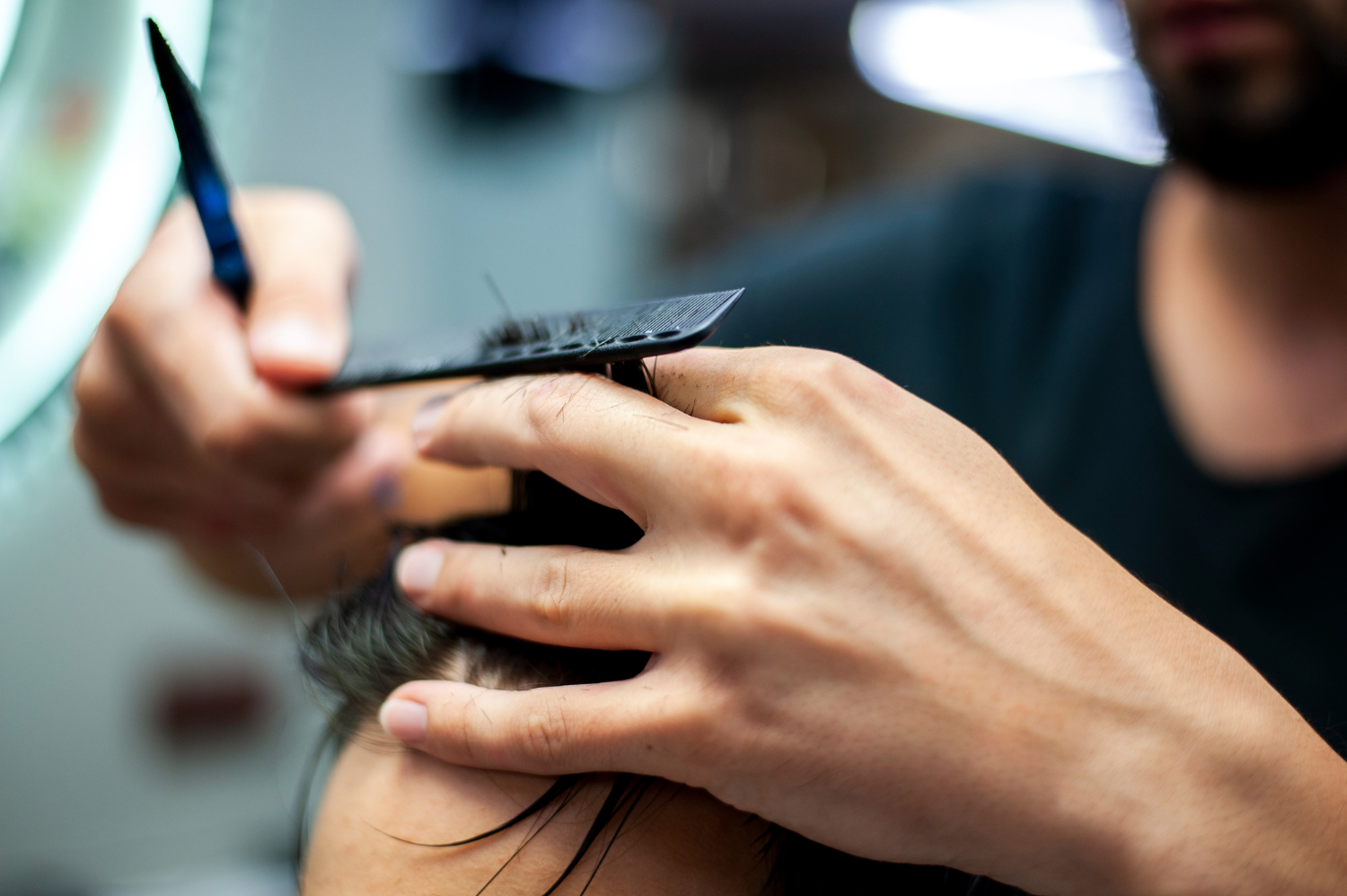
The shape of the hair is determined by the shape of the hair follicle and the cross-section of the hair. A round cross-section is characteristic of straight hair, oval for wavy hair and flat for curly hair. These biological characteristics directly affect which haircuts will be most effective.
Straight hair (type 1) is highly reflective and can look thin even with normal texture. Trichological studies show that they are 30% more susceptible to sebum build-up than other types, which requires a special approach to cutting and styling.
For straight hair are optimal:
- Clear geometric shapes with minimal gradation
- Shoulder length or shorter to maintain volume
- Asymmetrical haircuts that create visual movement
A classic bob with clean lines and a straight cut can increase the visual volume of the hair by 15-20%. The "slide cutting" technique helps to create a light texture without excessive thinning.
Wavy hair (type 2) has natural texture and volume, but is prone to frizz due to an uneven distribution of the lipid layer along the length of the hair. Trichologists note that the wrong haircut can increase frizz by 40-50%.
Optimal haircuts for wavy hair include:
- Medium to long lengths (15 cm or more) to maintain weight and wave control
- Graduated haircuts with smooth transitions between layers
- Long layers with no more than 5-7 cm difference between layers
The 45° point cutting technique is particularly effective for wavy hair, as it creates soft transitions and reduces the likelihood of a "triangle" on regrowth.
Curly hair (types 3-4) has a special structure - its cuticle is often damaged due to its spiral shape, which makes it drier and more brittle. Cutting such hair requires special techniques that take into account that curly hair is 30-70% shorter when dry compared to wet hair.
The most favorable techniques for curly hair are:
- "Dry cutting" - cutting in the natural state of the hair
- "Curl by curl - individualized work with each curl.
- "Pintura" - spot coloring and cutting individual strands to create depth.
It is critical to consider the direction of hair growth when choosing a haircut. Studies show that 87% of people have at least one "wiggle" - an area with atypical hair growth direction. Ignoring these features when getting a haircut can lead to styling problems and the need for additional fixation (up to 2-3 times more styling products).
Influence of scalp condition on the choice of haircut
The scalp and hair follicles are a single system, and the condition of one directly affects the other. A trichological approach to haircutting necessarily takes into account the health of the scalp, including parameters such as oil production, microcirculation and sensitivity.
Hypersensitivity of the scalp occurs in 45% of women and 38% of men. It manifests itself in the form of discomfort, itching or redness at mechanical impact. For this type of skin trichologists recommend:
- Avoid short haircuts with open neck and temples
- Prefer haircuts with a natural hairline without sharp contrasts.
- Minimize the use of heavy filing techniques
Medium length haircuts with smooth contours reduce the need for frequent trimming and minimize discomfort. Studies show that this approach reduces sensitivity by 30-35%.
In seborrhea (increased sebum production), the choice of haircut plays an important role in controlling the condition. Clinical evidence indicates that short haircuts and open skin areas help normalize sebum production by 20-25% due to better ventilation and more effective cleansing.
For scalps with seborrhea are optimal:
- Short and medium haircuts that do not fit tightly against the skin
- Layering techniques to create airiness at the roots
- Filleting of the inner layers to create natural ventilation
If you have seborrheic dermatitis or dandruff (which occurs in 50% of the population in one form or another), you should avoid haircuts with tight bangs and closed areas as these can aggravate symptoms by 40-45%. The "disconnection" technique helps to create volume without overheating the scalp.
Special attention should be paid to the choice of haircut in case of hair loss (telogen alopecia, androgenetic alopecia). According to trichologists, a properly selected haircut can visually compensate for up to 30% hair loss without the use of additional products.
Effective strategies include:
- Layered haircuts emphasizing volume at the roots
- Asymmetrical elements that draw attention away from problem areas
- Texturing without thinning to create visual density
For areas with severe thinning, trichologists recommend using the "point cutting" technique at an angle of 30-45°, which creates a layering effect and visually increases density by 25-30%.
Practical tips for maintaining healthy hair after a haircut
The optimal frequency of haircuts depends directly on the type of hair and its growth rate. On average, hair grows at a rate of 1-1.5 cm per month, but this figure can vary by 30% depending on individual characteristics.
Recommended cutting frequency for different hair types:
- Fine hair: every 4-6 weeks to maintain shape and volume
- Normal hair: every 6-8 weeks to prevent split ends
- Thick hair: every 8-10 weeks to control volume and shape
- Curly hair: every 10-12 weeks to maintain length and natural volume
Trichological studies show that regular haircuts at intervals appropriate to the hair type reduce the likelihood of developing split ends by 60-70% and increase the lifespan of the hair in the anagen phase by 15-20%.
Home hair care after a haircut should focus on maintaining hair health and shape. Key recommendations from trichologists:
- Minimize heat exposure for the first 48 hours after a haircut, as cut ends are more susceptible to damage
- Use UV protective products - studies show that freshly cut hair is 25% more susceptible to UV damage.
- Use indelible products to seal the cuticle - this reduces the likelihood of split ends by 40-50%.
To maintain the shape of the haircut, professional trichologists recommend using gentle styling methods. Diffuser during blow drying reduces the heat load by 30-35% compared to direct air flow. The use of wide-toothed combs (4-5 mm tooth spacing) reduces mechanical damage to the hair by 40%.
Seasonal peculiarities of care also affect the effectiveness of haircuts. In winter, when hair is exposed to temperature fluctuations and low humidity, it is recommended to choose thicker haircuts with minimal filleting. In summer, on the contrary, lightweight layered haircuts provide better ventilation and reduce the heat load by 20-25%.
Вернуться на страницу блога


