The subtleties of classical massage
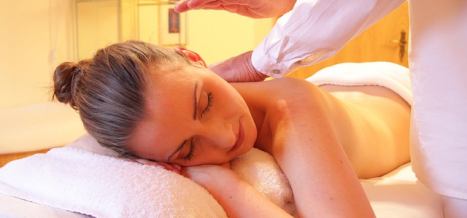
Optimization of classical massage through the sequence of techniques
In classical massage, consistency and coherence of techniques are essential for the effectiveness of the treatment. Achieving muscular relaxation of the patient is a key element of a successful session. The movements used in classical massage are varied and include straight, zigzag, spiral, circular and stroking movements.
Sequential execution of massage techniques:
- Beginning and ending with stroking. This is a fundamental technique to begin and end a massage session. Initially, it involves gentle, unhurried movements to prepare the body for the subsequent techniques. Stroking can range from superficial to thorough and include different types of pressure and direction, depending on the patient's medical needs. Different parts of the hand may be used, such as the fingertips, palms, or sides of the hand.
- Transition to squeezing. Stroking is followed by squeezing. This technique reinforces the effect of deepening the tissue with rhythmic and powerful hand movements, often using both hands for a deeper effect.
- Stretching. here the skin is gently moved, shifted and stretched. It is important to limit exposure to any area of the body to no more than 10 seconds, ensuring that the massage therapist's movements are gentle and measured.
- Kneading for depth. This technique involves various movements such as grasping, pulling, lifting and squeezing. Kneading is performed with both hands in different directions and with different intensities, allowing for deep tissue manipulation.
Compliance with this sequence provides a complex effect from the massage. Starting with soothing strokes, the body is drawn into the session, gradually moving on to more intensive techniques such as squeezing and kneading. The variety of movements and pressure targets different tissue layers and needs of the body, making classical massage a holistic and adaptive therapy.
A professional massage therapist combines these fundamental techniques with additional elements, tailoring the approach to each individual's specific needs. This individualized approach makes classical massage not just a routine procedure, but an individual therapeutic experience.
Contraindications to classical massage
Classic massage, although beneficial for many, is not suitable for everyone for health reasons. It is very important to know about contraindications to ensure the safety and health of the person receiving the massage.
- Acute inflammatory processes. Persons with active inflammation should avoid massage as it may aggravate the condition.
- Skin Diseases. Massage can aggravate some skin conditions or spread infections.
- Blood diseases. People with blood diseases should avoid massage due to possible complications.
- Purulent processes. Any presence of pus in the body, indicating an infection, is a significant contraindication to massage.
- Inflamed lymph nodes. Massage can worsen the condition or spread infection.
- Tumors. Massage should be avoided in tumors, regardless of their origin, as it can promote the spread of cancer cells.
- Pulmonary, cardiac and renal insufficiency. In persons suffering from these conditions, massage may cause exacerbation of symptoms or additional complications.
- HIV/AIDS. Due to possible immune weakening and other related complications, massage may not be appropriate.
Understanding these contraindications is important for both practitioners and recipients of classical massage. This ensures that the treatment is not only effective, but also safe for the individual's health.
Additional considerations for optimal massage delivery
Creating a supportive environment and understanding individual needs are essential to a successful massage session.
Before starting a massage session, the room should be ventilated to create a fresh and comfortable atmosphere. Listening to soothing music and using aromatic products can greatly enhance the relaxation effect. These elements contribute to creating a calming environment, which is very important for an effective massage.
The effectiveness of massage depends largely on individual characteristics and medical contraindications. Understanding these factors helps to choose the massage technique according to individual characteristics, which allows you to maximize the effect and ensure safety.
For quality results, it is recommended to seek the services of experienced professionals. Trained masseurs have extensive knowledge and master classic massage techniques. Their expertise ensures not only a thorough and effective massage, but also the safety of the treatments, especially given the individual's existing medical contraindications.
These additional considerations underscore the importance of a holistic approach to massage therapy that emphasizes both the environment and the individual application of techniques based on individual needs and health conditions.
Вернуться на страницу блога


