Textured hair
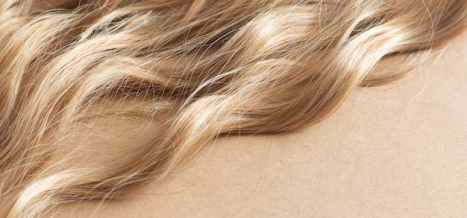
Textured hair, with its distinctive characteristics and unique needs, is gaining a lot of attention in the beauty industry. In this in-depth guide, you will learn about the world of textured hair, and find the basic techniques, products, and styling tips to help you embrace and care for your natural hair texture.
Understanding textured hair
Understanding textured hair involves recognizing its unique curl shape and inherent dryness. This type of hair varies in shape from slightly wavy (type 2) to tightly curled (type 4). The curvature of the strands makes it difficult for the natural oils produced by the scalp to pass through the hair shaft, which often leads to dryness. To effectively manage and style textured hair, you need to determine your hair type. The widespread Andre Walker classification system will help with this. According to it, hair is divided into four main types:
- Type 1 (straight),
- Type 2 (wavy),
- Type 3 (curly),
- Type 4 (coily).
Each of these types is further divided into subcategories - A, B, and C, which indicate the tightness or looseness of the curl. For example, 3A is a loose curl, and 3C is a tight, more defined curl. Understanding these nuances helps to choose the right styling products and techniques, providing hair care that emphasizes its natural beauty and texture.
.jpg)
The right cleaning technique
To preserve the health and natural oils of textured hair, special care is required. Such hair is prone to dryness and breakage, which makes excessive washing harmful. It is recommended to limit washing to twice a week. The choice of shampoo is also important: it is better to give preference to sulfate-free options, as sulfates in shampoos can excessively degrease the hair, causing it to become dry and fluffy.
An alternative to traditional washing is co-washing with conditioner instead of shampoo. This method gently cleanses the scalp and hair, providing additional moisture. It is especially useful for maintaining the natural moisture of the hair, helping to prevent hair breakage and preserve its health and beauty.
The importance of hydration
Moisturizing textured hair really does play a crucial role in its health and beauty. Here are some key aspects to look out for:
- Deep conditioning: Regular deep conditioning treatments help maintain optimal moisture levels. These conditioners penetrate deeper into the hair structure to provide intense nourishment and moisturization.
- Selection of ingredients: When choosing a conditioner, it is important to pay attention to the ingredients. Shea butter, coconut oil, and argan oil are particularly beneficial for their nourishing and moisturizing properties.
These tips for caring for textured hair are really helpful. The use of hair conditioners and oils helps to retain the necessary moisture, which is especially important for maintaining the health and beauty of the hair. Regular deep moisturizing and applying oils to the ends of the hair helps prevent dryness and breakage, making the hair more elastic and resilient. This is especially important for textured hair, which tends to be dry due to its unique structure and shape. Following these recommendations can significantly improve the overall health of your hair.
Gentle detangling
Detangling textured hair is a critical step in hair care. It requires patience and the right tools. Here are the key points:
- Wet Condition: Hair should be detangled when it is wet. This reduces friction and reduces the risk of breakage. Wet hair is more flexible and less prone to tangles.
- Use of Conditioner: Using a conditioner makes the process easier. It provides a slip that allows the tools to glide through the hair more easily.
- Appropriate Tools: You need to use specific tools. A wide-toothed comb works well for textured hair. It gently separates the strands, avoiding excessive tension. You can also use a specialized brush with flexible bristles that moves with the hair and reduces the risk of damage.
- Detangling technique: Start at the ends and work your way down to the roots. This allows you to gently detangle and remove tangles, reducing the risk of breakage.
- Gentle handling: Be careful when detangling. Strong pulling can cause pain, breakage and damage to the hair. In case of difficult knots, use more conditioner and detangle patiently, avoiding jerking.
By following these tips, you can detangle your textured hair effectively and safely, keeping it healthy and beautiful.
.jpg)
Protection during sleep
Protecting textured hair during sleep is key to its health and style. Here are the key aspects:
- Style maintenance: Friction against the pillowcase while sleeping causes breakage, tangling, and loss of moisture in the hair. Using satin or silk pillowcases or bonnets can help reduce these problems.
- Satin and silk pillowcases: These materials are softer and less absorbent than cotton. Because of their smooth surface, hair glides through without excessive friction, reducing the risk of breakage and tangles. They are especially useful for maintaining styles such as braids, twists and curls.
- Moisture retention: Satin and silk retain moisture in the hair, unlike cotton pillowcases, which absorb natural oils, making hair drier and more prone to damage. This improves the overall condition of the hair, making it less brittle and improving its appearance.
- Satin caps: They are a comfortable alternative to pillowcases. They offer the same benefits of reducing friction and retaining moisture. They are especially useful for people with long or voluminous hair, as they hold the hair in place and protect it while you sleep.
By integrating these protective measures into your nightly care routine, you can significantly improve the long-term health and appearance of textured hair. Satin and silk accessories help to keep hair moisturized, maintain style and reduce breakage.
Recommendations for heat styling
Heat styling, while a popular method of changing the appearance of textured hair, can pose a significant risk of damage if not done correctly. Textured hair is inherently more vulnerable to heat damage due to its structure and tendency to dry out. Understanding and following the rules of proper heat styling is crucial to maintaining the health and integrity of your hair.
- Before using any heat styling tools, be sure to apply a heat protectant. This product forms a protective barrier over the hair shaft, shielding it from extreme heat. Heat protectants come in a variety of forms, such as sprays, serums, or creams, and often contain ingredients that not only protect against heat but also nourish the hair.
- When using heat styling tools, such as straighteners, curling irons, or blow dryers, it is recommended to use the lowest temperature that still achieves the desired hairstyle. Higher temperatures can destroy the protein structure of the hair, resulting in weaker and more brittle hair. Lower temperature settings reduce the risk of altering the natural protein structure of the hair, thereby maintaining its strength and elasticity.
- Regular use of heat styling tools can lead to cumulative damage over time. It is important to limit the frequency of their use. For example, instead of using a straightener or curling iron every day, consider using these tools only on special occasions or spreading out their use. Taking advantage of your hair's natural texture and learning heat-free styling techniques can also be helpful in giving your hair a break from the effects of heat.
- Choose indirect heat styling methods whenever possible. For example, using a hair dryer with a diffuser attachment can cause less damage than direct contact with an iron. In addition, air drying your hair as often as possible is a great way to avoid heat damage.
By following these tips, you can significantly reduce the risk of heat damage to textured hair. This ensures that your hair will remain healthy, strong and vibrant, even if it is subjected to heat styling from time to time.
Use of protective styling
A key strategy for maintaining the health of textured hair is the use of protective styling. Styles such as braids, twists, and up-dos minimize the daily manipulation of hair that can lead to hair wear and tear. By protecting the ends - the oldest and most vulnerable part of the hair - these styles protect it from the harmful effects of the environment: wind, sun and pollution.
Protective styling is not only practical, but also opens up opportunities for creative expression. From intricate braids to elegant twists, these styles allow for versatility and individuality. They can be a reflection of a person's style and cultural heritage, which makes them popular from both an aesthetic and protective standpoint.
However, it is very important to strike a balance between protection and hair health. Wearing protective hairstyles for long periods of time can put excessive stress on the hair and scalp. Prolonged tension, especially in the area of the hairline and the back of the head, can lead to hair breakage and even hair loss. Therefore, it is recommended not to do such styling for too long, usually no more than four to six weeks, and to give your hair a rest between styling. This approach allows you to protect your hair, but at the same time not to stress or damage it.
Regular haircuts for healthy hair
Regular haircuts are one of the most important aspects of maintaining the health and vitality of textured hair. Ideally, a haircut should be performed every 6-8 weeks and plays a critical role in the prevention and treatment of split ends. Split ends left untreated can spread up the hair shaft, leading to weaker strands, increased breakage, and a brittle appearance. Trimming damaged ends not only improves the overall condition of the hair, but also gives it a healthier and more polished appearance.
For textured hair, which is naturally more prone to dryness and breakage, regular trims are even more important. They help maintain the shape and volume of the hair, making it easier to style and manage. It's a common misconception that cutting hair prevents hair growth; in fact, regular haircuts promote healthier hair growth by removing damaged ends and preventing further splitting.
It is important to note that the frequency of haircuts may depend on the type of hair, its condition, and styling habits. Those who use thermal styling products or frequently manipulate their hair may need to trim more regularly to maintain optimal hair condition. Including regular trims in your hair care program helps to keep your textured hair strong, healthy and free from excessive breakage.
.jpg)
The role of diet and health
Hair health is closely related to nutrition and overall well-being. A balanced diet rich in essential nutrients plays an important role in maintaining healthy hair growth and preserving its strength. Key vitamins and minerals for hair health are vitamin E, which improves blood circulation to the scalp, vitamin A, which promotes sebum production, and vitamin C, which is essential for collagen production. Minerals, such as zinc and iron, are essential for hair growth and preventing hair loss.
Proteins, which serve as a building block for hair, should be present in the diet in sufficient quantities. Lean meat, fish, legumes and nuts are recommended as protein sources. Omega-3 fatty acids found in fish, flaxseeds, and walnuts improve scalp health and make hair shiny.
Keeping your body hydrated also plays an important role in hair health. Drinking enough water helps to moisturize your hair and helps to remove toxins that can cause damage.
Controlling stress levels is also critical for hair health. High stress can lead to thinning and hair loss. Regular exercise, meditation, and quality sleep can help fight stress. By paying attention to these aspects of diet and lifestyle, you can improve the condition of your hair, emphasizing its natural beauty and strength.
Вернуться на страницу блога


