Thai massage how to do it - revealing techniques and methods
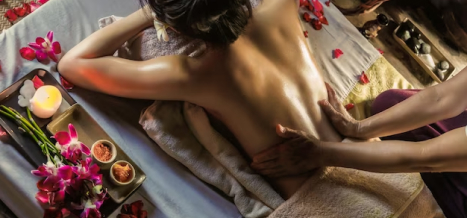
Тайский массаж представляет собой уникальную форму телесной терапии, которая combines elements of yoga, Ayurveda and acupressure. His healing philosophy, based on ancient traditions, has attracted the attention of health enthusiasts around the world.
Dr. Jivaka, the acknowledged founder of this technique, claimed that there are about 72,000 channels of vital energy running through the human body. These channels, which connect into 10 main energy lines called Sen Sip, play a key role in Thai massage. The technique involves pressure and stretching techniques to harmonize these lines.
Thai massage has a positive effect on the whole body:
- Stimulates blood circulation, which promotes better nourishment of tissues and organs.
- Increases receptor sensitivity, which improves the body's perception of external stimuli.
- Relaxes the nervous system, providing overall psychological relief.
- Improves body flexibility and mobility, which is important for maintaining healthy muscles and joints.
- Activates mental processes, improving concentration and memory.
Visiting a professional massage parlor guarantees a high-quality Thai massage. In such establishments, masters have specialized education and work experience. They take into account the individual characteristics of each client, choosing the optimal intensity and technique of treatment. An important aspect is the atmosphere of the salon, which promotes complete relaxation and immersion in the healing process.
The diversity of Thai massage: the art of health for all occasions
Thai massage, thanks to its long history and unique effectiveness, offers various types, each of which has a complex effect on the physical, psychological and emotional state of a person.
Types of Thai massage
- Traditional Thai massage is the classic version, incorporating elements of stretching and activating energy lines.
- Oil massage - a gentler version using aromatic oils for additional relaxation and skin moisturizing.
- Anti-stress - aims to relieve psychological tension and strengthen stress resistance.
- Thai massage for weight loss - combines techniques that activate metabolism and promote weight loss.
- Classic massage for pregnant women - adapted for expectant mothers, reduces swelling and improves well-being.
- Buddha's foot - a unique technique in which the massage is performed with the feet of the master.
- Herbal bag massage - used for respiratory diseases, effective for improving breathing.
- Thai foot massage - focuses on reflexogenic zones of the feet, improves the general condition of the body.
- Head and Face Massage - helps to restore the facial oval, reduces second chin.
- Stretching - uses stretching techniques to improve mobility and flexibility.
- Melting Candle Touch - massage using special candles that create a soothing and relaxing atmosphere.
Each type of Thai massage is based on the principles of activation of energy channels and acupuncture points, which provides:
- Getting rid of muscle clamps, pain relief.
- Calming of the nervous system, normalization of sleep.
- Relief of symptoms of depression and chronic fatigue.
- Stimulation of blood and lymph flow.
- Reduction of swelling, removal of toxins from the body.
- Improvement of skin condition, increasing its elasticity.
- Relief of pain in the spine and joints.
Stages and peculiarities of Thai massage
Thai massage is a complex and multifaceted procedure that includes a number of stages and techniques aimed at achieving harmony of body and spirit.
Stages of Thai massage:
- Working out the feet - the initial stage, which includes massage of the reflexogenic zones of the feet, activating the work of the internal organs.
- Massage of other parts of the body - progresses along the ascending line, from the lower limbs to the upper limbs, stimulating blood circulation and lymph flow.
- Massage of the neck, face and head - the final stage, which promotes relaxation of the muscles of the face and neck, improves blood circulation in the brain.
Features of the technique:
- Use of different parts of the master's body - palms, fingers, elbows and even feet can be used in the massage process for a more effective impact on deep muscle layers.
- Use of special tools - different types of massage use bamboo sticks (in foot massage), aromatic oils (in oil massage and aroma massage), herbal sacks, aromatic candles and stones to enhance the effect and additional relaxation.
After a session of Thai massage clients usually experience a feeling of lightness, improvement of mood and well-being. This is due to the complex effect on all sensitive points along the energy channels. Massage helps to relax muscles, improve blood circulation, relieve anxiety and chronic pain.
Application of Thai massage in treatment and prevention: when and for whom it is necessary
Thai massage is an effective means of improving overall health and well-being. It is recommended by both alternative medicine specialists and traditional medical practitioners.
Indications for Thai massage:
- Sleep disorders and depression - massage helps to improve sleep quality and reduce stress levels.
- Post-stress conditions - helps to restore emotional balance.
- Metabolic disorders - activates metabolism, promotes detoxification of the body.
- Lymph stagnation - improves lymph circulation, preventing swelling.
- Circulatory disorders - stimulates blood flow, improves tissue nutrition.
- Reduced joint mobility - improves flexibility and range of motion.
- Prevention of diseases of the musculoskeletal system - prevents the development of chronic diseases of the joints and spine.
- Rehabilitation after illnesses, injuries, surgical interventions - promotes accelerated recovery.
- Disorders of mental processes - improves memory and concentration.
- Increased fatigue - restores energy balance, increases efficiency.
- Overweight and cellulite - activates metabolic processes, promotes weight loss.
Thai massage is included in the treatment programs of many medical centers and clinics, especially in the field of rehabilitation medicine. Its unique techniques and approaches make it an integral part of a comprehensive approach to treatment and health restoration.
Traditions and peculiarities of clothing during Thai massage
Thai massage, as an ancient therapeutic practice, has its own traditions and peculiarities, including the clothing worn by both the master and the clients during the session.
Traditionally, Thai massage has been the privilege of royalty, and both the master and the ruler are clothed. This was due to respect for the status and personality of the emperor, for whom nudity would be unacceptable. Over time, this tradition has been maintained and has become part of the cultural heritage of Thai massage.
Physiological and practical considerations:
- Skin and tissue protection - pressure and twisting techniques are used when performing Thai massage. Clothing protects the skin and muscle tissues from pain and irritation.
- Warmth and comfort - clothing helps to maintain body heat during the session, especially if the client feels chilly. This ensures a comfortable state throughout the session.
Clients usually wear special, comfortable and loose clothing that does not constrict movement and is pleasant to the skin. These may be light cotton clothes designed specifically for massage sessions.
Indications and contraindications for Thai massage
Thai massage is a beneficial and rejuvenating procedure suitable for most people, but like any therapeutic practice, it has its indications and contraindications.
Indications for Thai massage:
- Drivers, athletes, office workers - to those who are subject to physical and mental stress.
- People with musculoskeletal problems - to relieve pain and improve joint mobility.
- Weight loss and skin improvement - Thai massage promotes weight loss, combats cellulite and improves skin tone.
Contraindications to Thai massage:
- Fever and infectious diseases - including skin infections.
- Cancer - especially in cases of tumors.
- Varicose veins - due to possible aggravation of the problem.
- Exacerbation of chronic diseases - massage may aggravate the condition.
- Fresh postoperative stitches, fractures, dislocations, wounds - requires complete healing and recovery.
- Epilepsy - due to the risk of provoking a seizure.
- Acute stages of cardiovascular disease - including hypertension and ischemic heart disease.
Special conditions:
- Pregnancy - during this period, the type of massage should be carefully chosen and the gestational age should be taken into account.
- Allergic reactions and individual intolerance - it is important to consider possible reactions to the oils or other preparations used.
It is always advisable to consult a doctor before attending Thai massage sessions, especially if you have any diseases or special health conditions. This will help to avoid unwanted effects and maximize the benefits of the procedure.
Вернуться на страницу блога


