Spa treatments as a way to combat stress, a scientific explanation
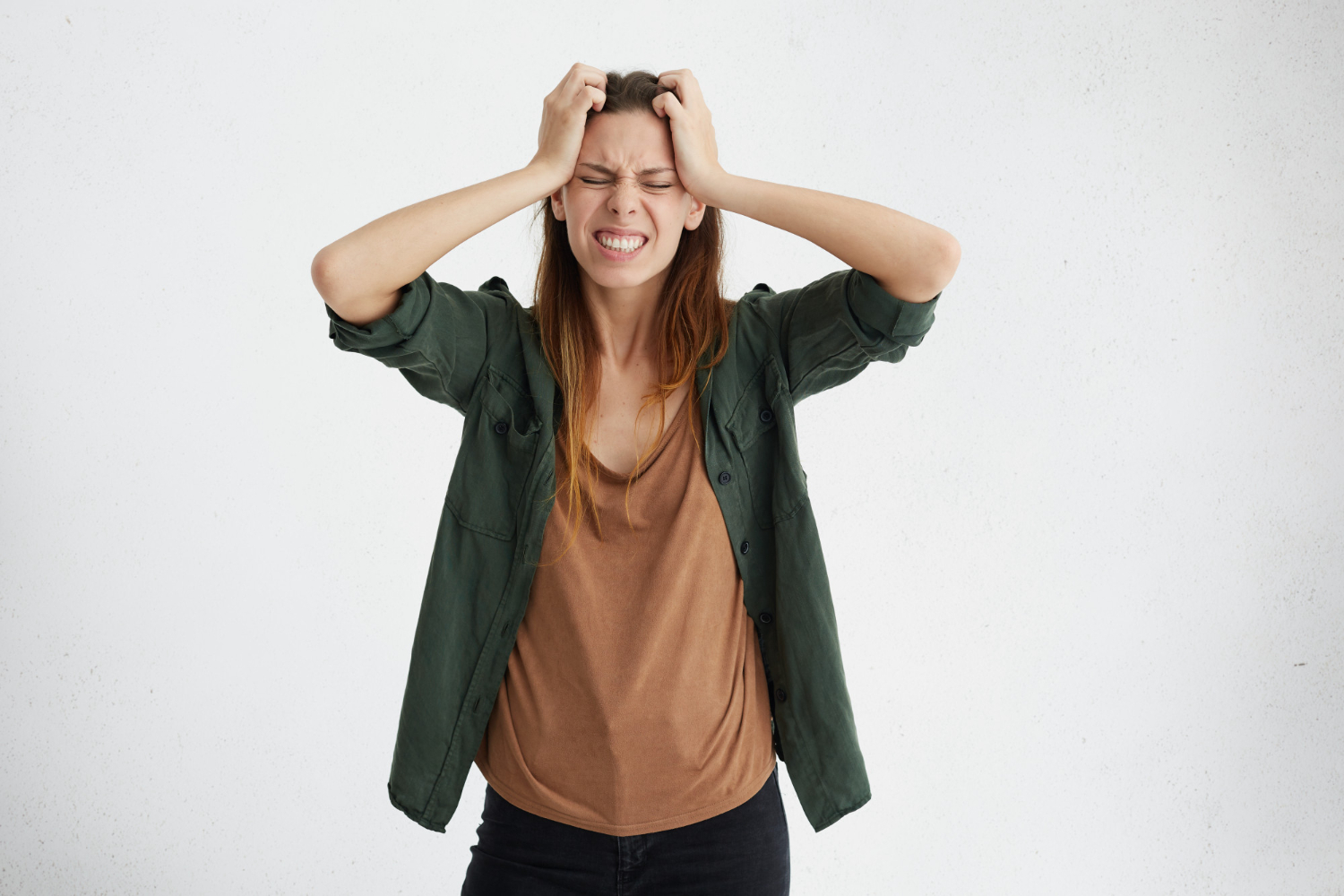
The rhythm of modern life is becoming more and more stressful every year. Information overload, multitasking, high demands at work and social pressure create ideal conditions for the development of chronic stress. According to the World Health Organization, more than 80% of the urban population regularly experience symptoms of stress, and 45% of people report that their stress levels have increased significantly over the past five years.
Chronic stress doesn't just reduce quality of life - it becomes a cause of serious illness. Studies show that prolonged exposure to stressors increases the risk of cardiovascular disease by 40%, weakens the immune system by 30-35% and increases the likelihood of depression by 2.5 times. Economic losses from stress-associated diseases are estimated in billions of dollars annually.
In search of effective methods to combat stress, people turn to a variety of practices, from meditation and yoga to pharmacological drugs. Against this background, spa therapy stands out as a method that combines pleasant sensations with scientifically proven therapeutic effects. Modern research in neurobiology and psychophysiology confirms that many spa treatments have measurable and meaningful anti-stress effects.
Unlike many other methods of stress management, the effectiveness of spa therapy can be assessed not only by subjective feelings, but also by objective biomarkers: blood cortisol levels, heart rate variability, brain electrical activity and other indicators. This makes spa procedures not just a pleasant vacation, but a full-fledged therapeutic tool that deserves attention from both ordinary people and the medical community.
Scientific understanding of stress and its effects on the body
To understand how spa treatments help with stress, it is necessary to understand the mechanisms of the stress response. Stress is not just a psychological state, but a complex physiological response of the body to a perceived threat.
The physiological mechanisms of stress response were first described by Hans Sellier in 1936 as "general adaptation syndrome". Modern science has significantly deepened the understanding of these processes. When faced with a stressor, the hypothalamic-pituitary-adrenal axis is activated: the hypothalamus releases corticotropin-releasing hormone, which stimulates the pituitary gland to release adrenocorticotropic hormone, which in turn causes the adrenal glands to release cortisol and adrenaline into the blood.
In parallel, the sympathetic nervous system - the part of the autonomic nervous system responsible for the "hit or run" response - is activated. This leads to:
- Increased heart rate and constriction of peripheral blood vessels
- Increase in blood pressure
- Expansion of the bronchi and increased respiratory rate
- Redistribution of blood from internal organs to muscles
- Increasing blood glucose levels to provide energy to the muscles
It is critical to distinguish between acute and chronic stress. Acute stress is a normal adaptive response that helps mobilize the body's resources to overcome short-term difficulties. Once the stressful situation is resolved, physiological indicators return to normal and the body recovers.
Chronic stress occurs when the stressful impact continues for a long time and the body does not get the opportunity to fully recover. It is chronic stress that is most dangerous and leads to numerous pathological changes:
- Persistent increase in cortisol levels, which leads to immune suppression and metabolic disorders
- Permanent activation of the sympathetic nervous system, causing hypertension and cardiovascular problems
- Decreased gray matter density in the prefrontal cortex and hippocampus, areas of the brain responsible for cognitive function and emotional regulation
- Chronic low-intensity inflammation associated with multiple diseases
The neurochemistry of stress is a complex system of interactions. Cortisol, often referred to as the "stress hormone," regulates many processes in the body, from glucose metabolism to immune response. In chronic stress, the normal circadian rhythm of cortisol secretion is disrupted: instead of the natural peak in the morning and decrease in the evening, there are constantly elevated levels of this hormone.
Adrenaline and noradrenaline are other key mediators of stress. They increase heart rate, blood pressure and blood glucose levels. Under chronic stress, their excessive secretion can lead to depletion of the body's energy resources and disturbance of the cardiovascular system.
Special attention should be paid to the impact of chronic stress on the brain. Studies show that prolonged exposure to high concentrations of cortisol leads to atrophy of the hippocampus, a structure responsible for memory consolidation and emotional regulation. There is also hyperactivation of the amygdala, the "fear" center in the brain, which makes a person more vulnerable to anxiety and negative emotions.
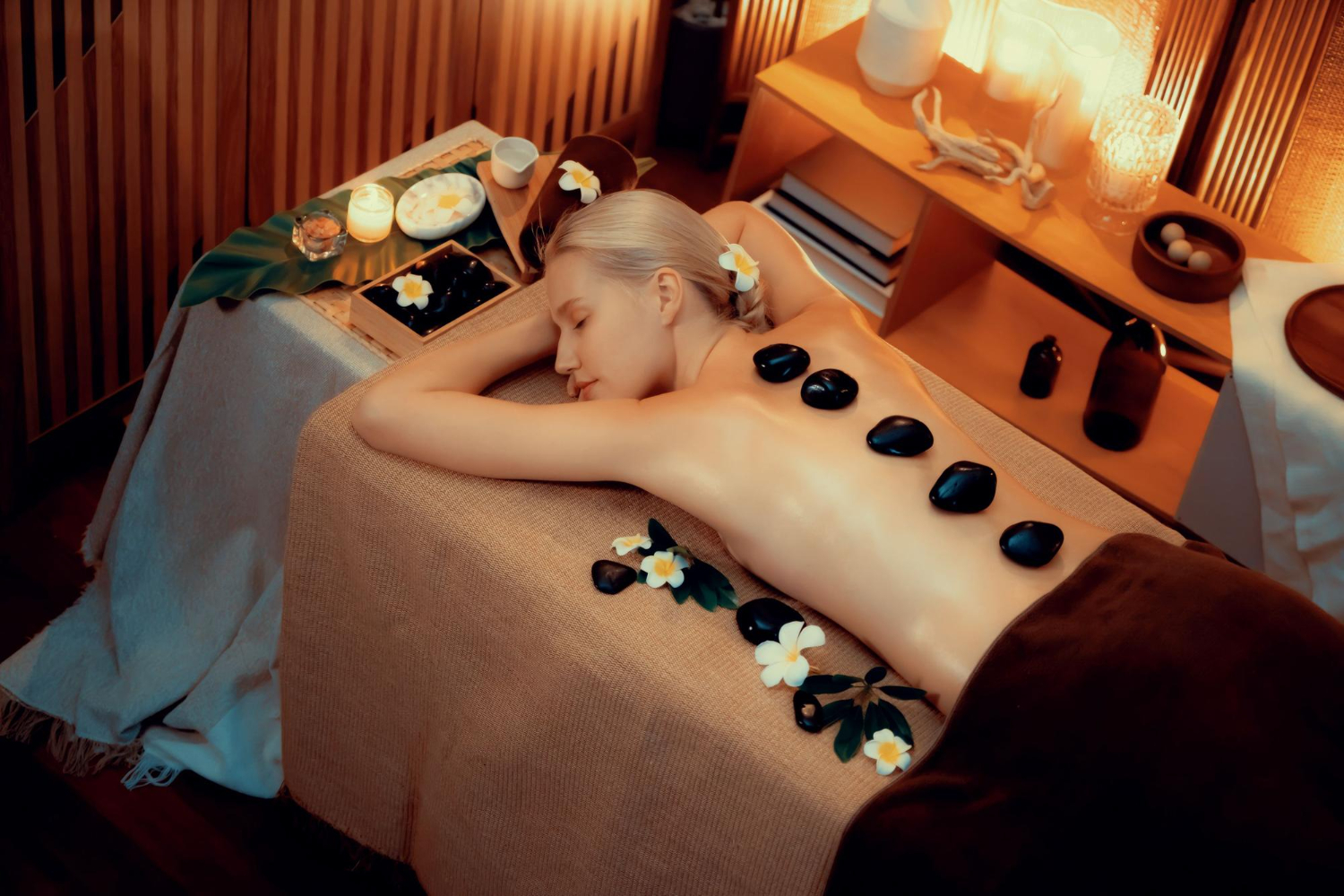
Biological mechanisms of anti-stress effects of spa treatments
Spa treatments affect multiple biological systems in the body, triggering a cascade of reactions that are the opposite of stress. Modern research has identified several key mechanisms that explain the effectiveness of spa therapies in combating stress.
Tactile stimulation, present in most spa treatments, plays a fundamental role in stress reduction. When touched, mechanoreceptors in the skin are activated, transmitting signals to the central nervous system. These signals stimulate the production of oxytocin, a hormone known for its anti-stress and social bonding effects. Studies show that a 45-minute massage session can increase oxytocin levels by 17-28%, accompanied by a subjective feeling of relaxation and well-being.
In addition to oxytocin, tactile stimulation promotes the release of endorphins and other endogenous opioids - the body's natural pain-relieving and anti-stress compounds. The level of beta-endorphin in the blood after a 30-minute massage session increases by an average of 16%, which not only reduces physical discomfort, but also improves mood.
It is important to note that tactile influence during spa procedures activates C-tactile afferents - specialized nerve fibers responsible for pleasant sensations from gentle touch. These fibers have direct projections to the insular cortex, an area involved in processing emotions and interoception (perception of the internal state of the body). Activation of this system helps to reduce the activity of the amygdala and anxiety.
The temperature effects used in various spa treatments also have a powerful anti-stress effect through several mechanisms:
- Warm treatments (36-40°C) dilate peripheral blood vessels, reducing total peripheral resistance and blood pressure. This counteracts the effects of sympathetic stimulation under stress.
- Cold treatments (10-15°C) briefly activate the sympathetic nervous system, but this is followed by compensatory activation of the parasympathetic system - "rest and recovery". Studies show that after brief cold stimulation, norepinephrine levels can drop 25-30% below baseline.
- Contrasting temperature exposures train the autonomic nervous system, increasing its adaptability and decreasing its reactivity to stressors.
Immersion in warm water (36-38°C) for 25 minutes reduces the level of cortisol in saliva by an average of 15%, which is comparable to the effect of some pharmacological anti-stress drugs, but without their side effects.
Aromatherapy, often accompanying spa treatments, affects the most ancient structures of the brain. Olfactory receptors have direct projections into the limbic system, a complex of brain structures responsible for emotions, memory and autonomic functions. This explains the rapid and powerful effects of fragrances on the emotional state.
Scientific studies have revealed specific effects of different essential oils:
- Lavender reduces sympathetic nervous system activity and cortisol levels by 15-20%
- Bergamot reduces the activity of the amygdaloid body and decreases anxiety levels by 15-18%
- Chamomile and ylang-ylang increase the activity of the parasympathetic nervous system, which is manifested by a decrease in heart rate and blood pressure
Functional MRI demonstrates that inhaling certain aromas during spa treatments reduces activity in areas of the brain associated with stress and anxiety processing and increases activity in areas associated with relaxation and positive emotions.
The effectiveness of various spa treatments in combating stress
Hydrotherapy is a powerful anti-stress tool, which is confirmed by numerous scientific studies. Water procedures affect the body through several mechanisms: hydrostatic pressure, temperature effects and, in some cases, the massage effect of water jets.
Immersion in warm water (34-38°C) dilates blood vessels and increases blood flow in peripheral tissues, which helps reduce blood pressure and heart rate. Studies show that a 20-minute soak in 37°C water reduces cortisol levels by 15-20% and adrenaline levels by 12-15%.
The hydrostatic pressure of water stimulates baroreceptors, which leads to activation of the parasympathetic nervous system and a decrease in sympathetic tone. Electroencephalographic studies show that during immersion in warm water there is an increase in alpha waves by 25-30%, which is characteristic of a state of relaxed alertness.
Different types of hydrotherapy have their own specificity:
- Balneotherapy (use of mineral waters) additionally works through the absorption of minerals through the skin
- Thalassotherapy (sea water) is rich in magnesium, which is a natural stress antagonist
- Whirlpool baths combine the benefits of hydrotherapy with the effects of massage
Thermal treatments such as saunas, steam baths and hot wraps have a profound effect on stress mechanisms. Controlled increases in body temperature induce the production of heat shock proteins (HSP), which have cytoprotective properties and counteract the negative effects of chronic stress at the cellular level.
Clinical studies show that a 20-minute sauna session (80-90°C) results in a 10-20% decrease in cortisol levels and a 30-50% increase in beta-endorphins. Normalization of hormone levels persists for 24-48 hours after the procedure.
The effect of regularity is particularly important: studies show that people who go to sauna 2-3 times a week have 23% lower baseline cortisol levels and 30% higher heart rate variability (an indicator of a healthy balance of the autonomic nervous system) compared to the control group.
Facial therapy, although considered primarily a cosmetic procedure, has significant anti-stress potential due to the high concentration of nerve endings in the facial area. Stimulation of the trigeminal nerve and its branches during facial massage has direct projections to brain stem structures associated with relaxation.
Electromyographic studies show that a 30-minute facial reduces electrical activity in facial muscles associated with the expression of negative emotions by 35-40%. This effect is explained not only by mechanical relaxation of the muscles, but also by neurophysiological mechanisms: the decrease in afferent impulsation from relaxed facial muscles is interpreted by the brain as a signal of safety and well-being.
Neurophysiology of relaxation: what happens in the brain during sleep
Modern neuroimaging techniques allow us to study in detail the changes in brain activity that occur during spa treatments. Electroencephalographic (EEG) studies show characteristic brainwave patterns associated with various states of consciousness.
During most spa treatments, there is a significant increase in alpha activity (8-13 Hz), a rhythm characteristic of a state of relaxed alertness and creative flow. Alpha waves are associated with activation of inhibitory GABAergic neurons, resulting in decreased activity in associative cortical areas. Studies show that a 40-minute spa treatment increases the power of the alpha rhythm by 30-45%.
Deeper relaxation, especially during longer treatments, also increases theta activity (4-8 Hz), a rhythm associated with meditative states and the transition to drowsiness. Theta waves are associated with activation of the hippocampus, a structure that plays a key role in emotion processing and memory consolidation. A 20-25% increase in the theta rhythm during spa treatments correlates with subjective feelings of deep relaxation and insight.
Functional magnetic resonance imaging (fMRI) reveals even more interesting changes in brain function. During spa treatments are observed:
- A 15-30% decrease in activity in the amygdala, the center of "fear" and anxiety
- Decreased activation in the dorsolateral prefrontal cortex, which is associated with a decrease in analytical thinking and internal dialog
- Increased activity in the ventromedial prefrontal cortex, which plays an important role in emotional regulation
- Activation of the insular lobe (insula), which is responsible for interoception and awareness of internal sensations.
Of particular interest is the effect of regular spa treatments on neuroplasticity - the brain's ability to reorganize its neural connections. Longitudinal studies show that a course of 10-12 spa treatments (twice a week) results in long-term changes:
- An increase in gray matter density in the prefrontal cortex by 3-4%
- Strengthening of functional connections between the prefrontal cortex and the limbic system by 15-20%
- Increased activity of the parasympathetic nervous system at rest by 25-30%
These structural and functional changes explain the long-term increase in stress tolerance seen in people who regularly undergo spa treatments. The brain is literally "retrained" to respond to potential stressors in a more adaptive way.

Integrated approach: synergy of different methods
The maximum anti-stress effect is achieved with an integrated approach combining different types of spa treatments. The synergistic effect occurs by targeting different physiological systems and neurochemical pathways.
Research demonstrates that combining different modalities increases the effectiveness of spa therapy by 30-40% compared to monotherapy. Optimal combinations include:
- Sequential application of thermal and hydrotherapy treatments (e.g. sauna + cooling shower + warm water immersion)
- Combining massage with aromatherapy, which enhances the relaxation effect of both methods
- Integrating body-oriented practices (massage) with auditory techniques (music therapy).
Multi-sensory experiences play a key role in the effectiveness of spa treatments. Simultaneous exposure to different sensory channels creates a "sensory overload" effect of positive stimuli, which blocks the brain's ability to focus on stressful thoughts and sensations.
The most effective spa programs engage:
- Tactile channel (different textures, temperatures, touch)
- Olfactory channel (natural essential oils, aromatic candles)
- Auditory channel (specially selected music with a frequency of 60-80 beats per minute)
- Visual channel (dim lighting, natural elements in the design)
- Taste channel (herbal teas, specialty drinks)
Neurobiological research confirms that multisensory stimulation activates more neural networks and increases the production of neurotransmitters associated with feelings of pleasure and relaxation.
Integrating spa therapy with other stress management techniques creates a cumulative effect. Studies show that combining spa treatments with mindfulness practices, breathing techniques or light exercise increases the anti-stress effect by 45-50%.
In the context of a holistic approach, it is important to note the role of home practices to complement professional spa treatments. A systematic review of studies shows that people who apply elements of spa therapy at home between salon visits (aromatic baths, self-massage, aromatherapy) show 35% more consistent stress reduction.
Measurable results: scientific studies of effectiveness
Modern science offers objective methods for evaluating the effectiveness of spa treatments in combating stress. Comparative studies show that regular spa treatments are comparable to other recognized methods in their anti-stress effectiveness:
- Spa therapy is comparable to regular meditation in reducing cortisol levels (15-30%)
- In terms of improvement in heart rate variability (20-25%), spa treatments are similar to moderate exercise
- Spa therapy is comparable to some cognitive-behavioral therapies in reducing subjective anxiety levels (30-35%).
Biomarkers of stress measured before and after regular spa sessions show statistically significant changes:
- Salivary cortisol levels decrease by an average of 20-30% after a course of 8-10 treatments
- The concentration of pro-inflammatory cytokines (IL-6, TNF-α) decreases by 15-20%.
- Salivary alpha-amylase activity (a marker of sympathetic nervous system activity) decreases by 25-30%
- The level of dehydroepiandrosterone-sulfate (DHEA-S, a cortisol antagonist) increases by 15-18%
Most notably, these changes persisted for 2-3 weeks after completion of the course of treatments, indicating a systemic effect of spa therapy on stress regulation mechanisms.
The long-term effects of spa therapy include not only changes in biochemical parameters, but also an increase in stress tolerance - the body's ability to adequately respond to stressors without excessive mobilization of resources. Longitudinal studies demonstrate that people who regularly attend spa treatments (at least 1-2 times a month) show:
- 35-40% lower cortisol response to an experimental stressor
- Faster return of physiologic parameters to normal after stressor exposure (by 25-30%)
- Improvement of subjective indicators of sleep quality by 30-35%
- Decrease in the frequency of psychosomatic symptoms by 40-45%
It is noteworthy that these effects increase with regularity of procedures and persist for a long time, indicating adaptive changes in stress regulation systems.
Вернуться на страницу блога


