Preparation for hair coloring: the main points
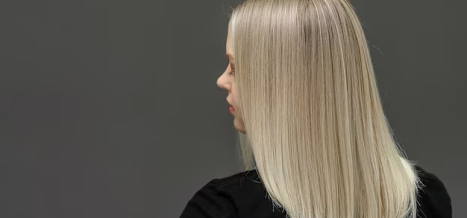
Hair coloring is a popular way to improve your appearance. However, getting the perfect shade requires preparation and understanding of the process. In this guide, we'll look at the main stages of preparing for hair coloring.
Understanding hair type and condition
Knowing your hair type and condition is a fundamental factor in the coloring process. Hair can be very diverse: some people have thin and graceful strands, others have thick and voluminous curls. Curly or wavy hair is different from straight hair. Each type interacts with hair color in its own way. Thin hair often absorbs color faster and more intensely, which can result in a darker shade than expected. Thick or coarse hair, on the other hand, may require a longer treatment time for full color penetration and development.
Hair condition plays a key role during coloring. If the hair is healthy, it takes the dye more evenly, providing a uniform color. Otherwise, in damaged, dry or previously treated hair, the color may be uneven, which leads to spotting - some areas become brighter colored than others. It is also worth considering that the chemical compositions of the dye can aggravate the damage to already weakened hair.
To solve this problem, you may need a conditioning treatment or a series of treatments. Start these treatments a few weeks before coloring. They help to restore moisture, repair damage and improve the overall condition of the hair. Products with keratin, natural oils and proteins are especially useful. They strengthen the hair structure, making it more resistant to coloring.
.jpg)
Choosing the right color
Choosing the perfect hair color is the most important step in achieving the desired look. The choice of shade should complement your natural data and meet the goals of coloring.
When coloring at home, you should choose a color within two shades of your natural hair color. This approach provides a more natural and attractive result. Lightening or darkening within this range allows you to emphasize your natural hair color without looking radical. It also minimizes the risk of undesirable results, especially for those who are just starting to color their hair.
For those who want to drastically change their hair color, for example, turn from brunette to blonde or vice versa, it is highly recommended to contact a professional stylist. He or she will be able to assess the condition of your hair and give you expert advice on which colors will suit you best. The experience and knowledge of the stylist will help you achieve the desired result while maintaining the health of your hair.
Skin tone plays a crucial role in how the hair color will look on you. As a rule, people with a warm skin tone - golden, olive or dark - look better with warm hair colors. These include such shades as
- golden blonde
- rich brown.
On the other hand, cold skin tones, characterized by a bluish or pinkish undertone, are complemented by cold hair colors. These are
- ash blonde
- platinum,
- cold brown or black.
Choosing the opposite color to your skin tone can create a striking contrast, but requires careful consideration to avoid blending.
Allergy test
An allergy test is an important step in the hair coloring process to ensure safety and eliminate possible allergic reactions.
- Allergic reactions to hair color are common, but they can be serious. For example, paraphenylenediamine (PPD), found in permanent hair colors, is a known allergen. Reactions can range from minor irritation to severe dermatitis. To identify potential sensitivity or allergies, it is recommended to conduct an allergy test 48 hours before coloring.
- The test involves applying the dye to an inconspicuous area of skin, usually behind the ear or on the inside of the elbow, as these areas are most sensitive to a reaction. After a small amount of dye is applied and dries, the area is covered with a bandage to avoid contact with clothing.
The skin should be closely monitored for 48 hours for redness, itching, swelling, or burning. Any of these symptoms indicate a sensitivity to the product, in which case its use is not recommended. No reaction usually means that it is safe to use the paint.
Always follow the instructions that come with the hair color to conduct an allergy test. Manufacturers develop such tests to minimize risks and ensure the safety of their products.
.jpg)
Treatment before painting
Hair preparation before coloring is very important to get an even and long-lasting color. This preparation involves using a clarifying shampoo and avoiding certain products.
- A week before the planned hair coloring, start using a clarifying shampoo.
This type of shampoo is specially designed to deeply cleanse the hair, remove product residues, dirt and oils. If left unremoved, they can prevent the dye from adhering evenly to the hair strands. The clarifying shampoo opens the hair cuticles, making the hair ready for even application of the color. It is recommended to use it several times during the week before the day of coloring, depending on the type of hair and the degree of its contamination.
- In the days immediately preceding the coloring, it is very important to avoid the use of certain hair care products.
Deep conditioners and heavy oils, while useful under normal conditions, can be ineffective when used immediately before coloring. These products tend to coat the hair, creating a barrier that prevents the dye from effectively penetrating the hair shaft. This can lead to uneven coloring, when some parts of the hair absorb more color than others.
- The timing of these procedures is very important.
The clarifying shampoo should be used early to remove all residue, but not so early that the hair becomes excessively dry. Likewise, avoiding heavy products should be balanced with maintaining healthy hair.
Necessary tools and equipment for home hair coloring
When dyeing hair at home, having the right set of tools and equipment is the key to a successful and smooth coloring.
Necessary tools for work:
- Gloves. Very important for protecting hands from stains and chemicals contained in hair dye. Disposable gloves are popular, as they can be easily thrown away after use.
- Timer. Accurate timing is the key to achieving the desired hair color. The timer helps to keep track of the processing time, preventing the dye from staying on the hair for too long, which can lead to damage or too intense color.
- Applicator brushes. These brushes are designed for precise application of color to the hair, allowing you to evenly distribute the color through the hair. They come in a variety of sizes and shapes, so you can choose the one that best suits your hair length and type.
- Mixing bowls. They are necessary for mixing the dye and developer if the hair color requires mixing. Bowls made of plastic or glass are preferred because they do not react with the components of the hair dye.
Additional useful items:
- Hair clips. They are useful for separating the hair during the coloring process to evenly cover each part.
- An old towel or cape to protect your clothes from dye splashes.
- Mirror: A large mirror will help you see all areas of the head, especially when applying the dye to the back.
- Vaseline or petroleum jelly. Apply a thin layer around the hairline to prevent the dye from staining the skin.
Organizing these tools before you start dyeing is very important. This will allow you to have everything you need at hand, which will make the process efficient and without unnecessary mess. In addition, preliminary familiarization with the instructions that come with the hair color set will help you understand which tools will be most necessary for working with a particular product.
Test pass
Conducting a strand test before full hair coloring is an important step that is often overlooked, but which is necessary to achieve the desired result.
- The strand test involves applying the color to a small, inconspicuous section of hair. This test is a preliminary test to see how the hair reacts to the color in terms of color absorption and possible damage.
- Select a small strand of hair, preferably from a hard-to-reach area such as behind the ear or on the back of the head.
- Mix a small amount of dye according to the instructions and apply it to the selected strand.
- Leave the dye on the strand for the recommended time. Then wash off the color and dry the strand to see the final color.
The strand test shows how the color of the dye interacts with your natural hair color. This is especially important if you are using a new dye or brand, as the result can sometimes differ from what is indicated on the box. It also serves as an additional check for allergic reactions or sensitivity to the colorant. This test allows you to determine if your hair is reacting negatively to the colorant in terms of breakage or breakage.
.jpg)
Final tips
Під час останніх кроків фарбування волосся, важливо дотримуватися деяких ключових рекомендацій для забезпечення гладкого процесу і досягнення ідеального результату.
1. Avoid washing your hair before coloring.
It is recommended not to wash your hair immediately before applying the color. Natural oils contained in the hair can serve as a protective barrier for the scalp during the coloring process. These oils help minimize irritation from the chemicals in the dye. Ideally, hair should be washed 24-48 hours before coloring.
2. Protect your clothes and the surrounding area
Hair dye can stain fabrics, so you need to take care to protect your clothes. It is best to wear an old shirt that you don't mind getting dirty. As an alternative, you can use a cape for hair coloring. Covering surfaces and using old towels will also help prevent paint stains in the painting area.
3. Use a timer
A timer is necessary to accurately control the processing time. Too long or insufficient time for the dye to stay on the hair can lead to unsatisfactory results, for example, too intense or not bright enough color. To achieve the desired effect, follow the recommended time indicated on the hair color packaging.
4. Follow the instructions carefully
Each hair color comes with special instructions that must be followed strictly. This applies to mixing the color, application technique, and the time during which the color should remain on the hair. Following these instructions ensures that the dye will work as expected.
To summarize, the last steps in preparing for hair coloring are to protect your skin and clothing, accurately time the procedure, and follow the instructions. By following all these precautions, you will be able to get a beautiful and even hair color, while maintaining its health and integrity.
Вернуться на страницу блога


