Melting and toning - difference, effects and care
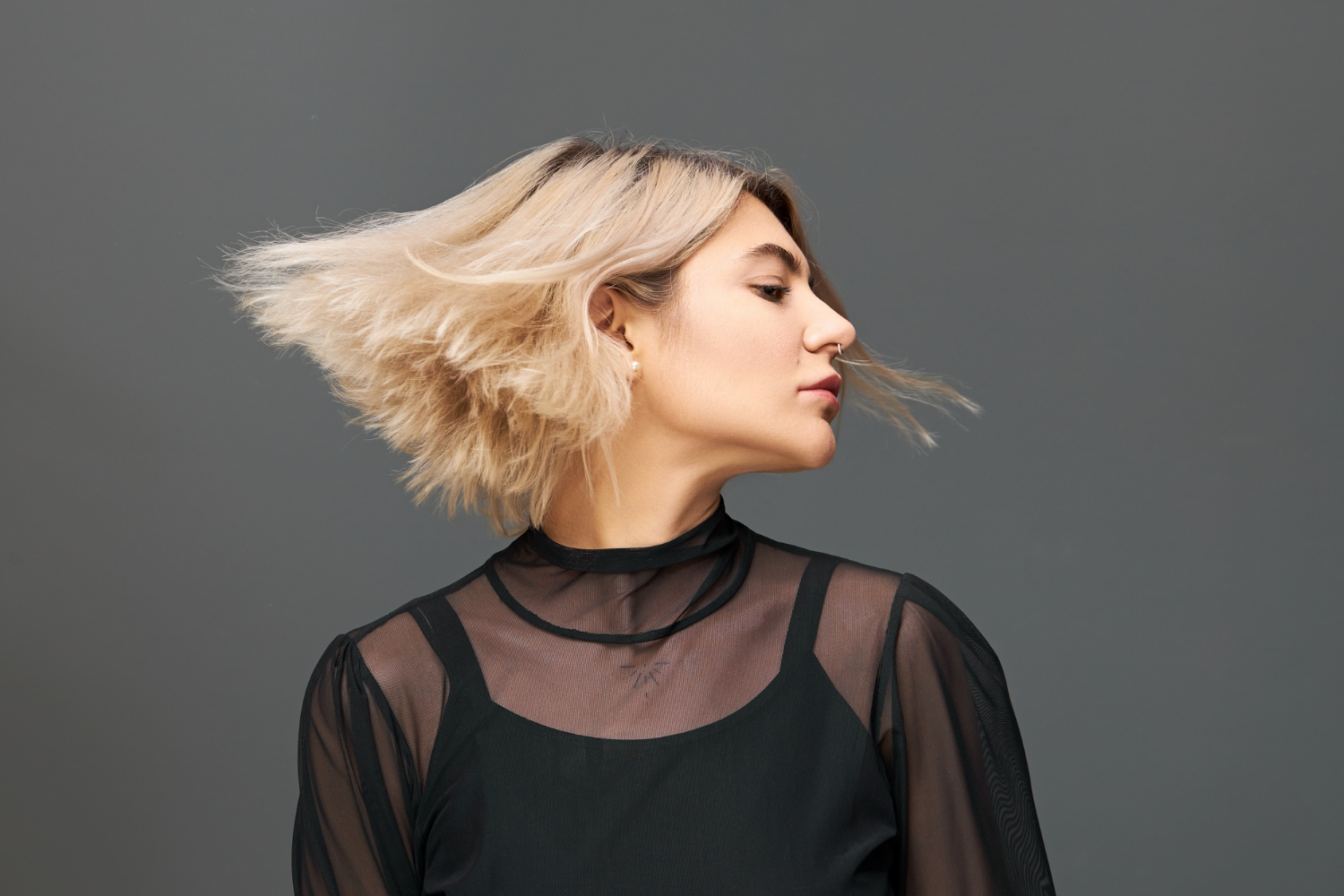
Yellowing after bleaching, uneven color transition, dull and brittle hair - these problems are familiar to many who have experimented with coloring. Modern hair care trends are shifting towards more gentle techniques that allow you to change your image without radical damage to the hair structure. That's why the combination of melting and toning is becoming increasingly popular among those who want to achieve a natural but expressive result.
Do you want to update your look but are afraid of damaging your hair? Melting followed by tinting is the ideal solution for those who want to change without drastic and traumatic procedures. A competent combination of these techniques allows you to create volume, add depth of color and give your hair a healthy shine, without subjecting them to the aggressive effects of solid coloring.
We offer you to understand the nuances of melting and toning, understand the difference between these procedures and learn how to properly care for hair after their implementation. This information will help you make an informed choice and achieve exactly the result you dream of.
Melting: the essence of the procedure
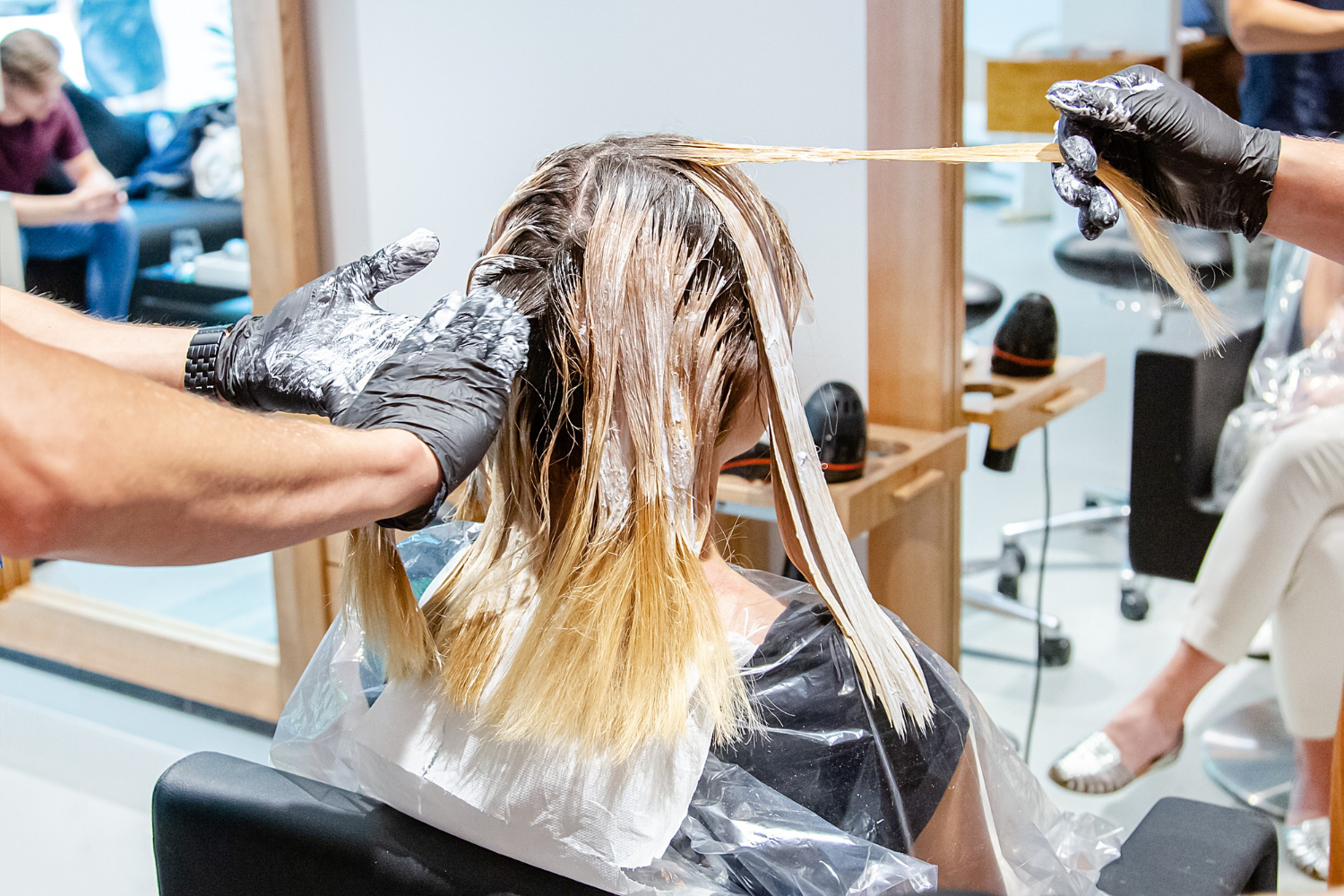
Melting is a technique of partial lightening of individual strands of hair, which creates the effect of natural sun glare. In contrast to solid coloring, melting only treats 30-70% of the entire hair mass, which significantly reduces stress on the hair structure and allows for a more natural result.
Modern melting dates back to the 1970s, when stylists began using caps with holes to pull out individual strands. Today, techniques have improved dramatically, from classic foiling to free open air painting (frizz). The use of modern lightening compositions allows you to raise the color by 2-7 tones in one session, depending on the original shade and the desired result. Dark hair usually requires a longer exposure of the dye (up to 50-60 minutes), while for light hair 20-35 minutes is enough.
The variety of melting techniques allows you to choose the best option for any type of appearance and hair structure. Classic balayage with an even distribution of lightened strands is suitable for creating a contrasting effect. Venetian melting, in which the strands are lightened mainly at the face and on the upper layers of hair, gives the image a special softness and naturalness. California melting (or balayage) with color stretching from darker roots to lighter ends creates the effect of sunburned hair and requires minimal correction - 1-2 procedures per year is enough.
The main types of melting:
- Classic (foiling) - contrasting effect with a clear separation of shades
- Venetian - emphasis on the upper strands, creating an effect of natural shine
- California (balayage) - smooth transitions from roots to tips with minimal correction.
- Reverse - lightening of roots while keeping dark tips for short haircuts.
- Shatush - a technique with blended boundaries between tones
- Babylights - extra thin strands (1-2 mm) for maximum naturalness.
Toning: what it is
Toning is a superficial or semi-permanent coloring procedure that does not affect the hair structure as deeply as permanent dyes. Its main task is to give the hair a certain shade, neutralize unwanted pigments or renew the color without aggressive impact. Unlike permanent colors, toners do not contain ammonia or contain it in minimal concentrations (up to 1.5%), and the level of oxide usually does not exceed 1.9-3.5%.
The toning process works on the principle of layering color molecules over natural pigment or previously colored hair. The colorants penetrate only partially into the cuticle and outer layers of the cortex without destroying the natural melanin. This is why tinting gradually washes out (usually after 3-6 weeks or 8-15 washes), unlike permanent coloring, which lasts until the roots grow back. This feature makes toning the perfect solution for those who want to experiment with color without a long-term commitment.
There are several types of tinting, varying in depth of effect and staying power. Surface toning (glamtonics, tinting balms, mousses) lasts 2-8 washes and practically does not penetrate into the structure of the hair. Such products can be used independently at home. Deep tinting is performed in a salon with the help of professional colorants without ammonia or with its minimal content. The effect lasts up to 4-6 weeks and allows you to achieve a more saturated and predictable result. It is important to note that toning is effective on hair that already has a sufficient level of lightness - usually 6 tones or lighter.
Types of toning and their features:
- Surface (direct pigments) - short-term effect without the use of oxide
- Acid tinting - gives a glossy shine due to low pH (4.5-5.5)
- Semi-permanent - more permanent result with minimal activator content
- Glazing - a salon procedure to create a glassy shine effect
- Color lamination - nourishing and coloring hair at the same time
Key differences between coloring and toning
The main difference between melting and toning lies in the nature of the effect on the hair structure. Melting is a bleaching technique that removes natural pigment from the hair using an oxidizing agent (oxide), which irreversibly changes the structure of the hair. Toning merely adds artificial pigment on top of the existing pigment, minimally affecting the natural structure of the hair. This makes toning a gentler procedure: while melting can increase hair porosity by 30-50%, toning only changes it by 5-10%.
The durability of the result of these procedures also differs significantly. Melting creates a permanent effect - lightened strands remain light until regrowth, and the only way to return the former color is to re-color or regrow natural hair. Toning is gradually washed out, and the speed of this process depends on the type of pigments used and the porosity of the hair. On highly porous, lightened hair, tinting can last up to 6-8 weeks, while on healthy, non-porous hair it washes out in 2-4 weeks.
Compatibility with different hair types is another important aspect. Melting is most effective on natural, previously uncolored hair, as bleaching previously colored hair can give unpredictable results. The procedure is suitable for all hair types, but requires special care when working with thin, damaged or previously bleached locks. Toning, on the other hand, works perfectly on pre-lightened hair, as the light base allows you to achieve the cleanest and brightest shades. On dark, natural hair, the effect of toning will be minimal, appearing only in certain lighting conditions.
Comparison of melting and toning:
- Composition and chemistry of the procedures: melting uses high concentrations of oxide (6-12%), toning - low (up to 3.5%) or no oxide at all
- Duration of effect: melting lasts until hair regrowth, toning is a temporary solution.
- Scope of application: melting affects individual strands, toning is often done over the entire length.
- Time and frequency of salon visits: melting requires longer sessions (1.5-3 hours) but less often; toning requires shorter sessions (20-40 minutes) but more often.
Effects of melting
Competently performed melting can dramatically transform the appearance, without requiring radical changes in the color of the entire mass of hair. The alternation of light and dark strands creates visual volume, making even thin hair more lush and lively. This effect is especially noticeable when using the "veil" technique, when only the top strands are lightened, creating the illusion of denser hair. Stylists note that properly selected melting can visually increase the volume of fine hair by 30-40%.
Lightened strands around the face can effectively correct its shape. For a round face, a vertical arrangement of light strands along the cheeks is recommended, visually lengthening the oval. With a square shape, light accents at the temples soften the angularity of the jaw. A triangular face is harmonized by more intense lightening in the cheekbones and chin area. In addition, the play of light on chalked strands distracts attention from minor skin imperfections and emphasizes the natural shine of the eyes.
One of the main advantages of melting is its versatility and the possibility of fine-tuning to individual needs. Depending on the chosen technique, the number and width of lightened strands, the result can vary from subtle sunny highlights to a radical transformation with contrasting transitions. For example, thin strands with a width of 1-2 mm create the most natural effect suitable for business style, and wider (5-10 mm) with a pronounced contrast attract attention and emphasize individuality.
Additional benefits of melting:
- Effective masking of gray hair without the need for full coloring
- Rejuvenating effect by brightening and revitalizing facial features
- Gentle regrowth without a noticeable border between the roots and the colored part
- Possibility of gradual correction of color and intensity of the effect
- Maintains the health of most of the hair, as not all strands are affected.
Effects of toning
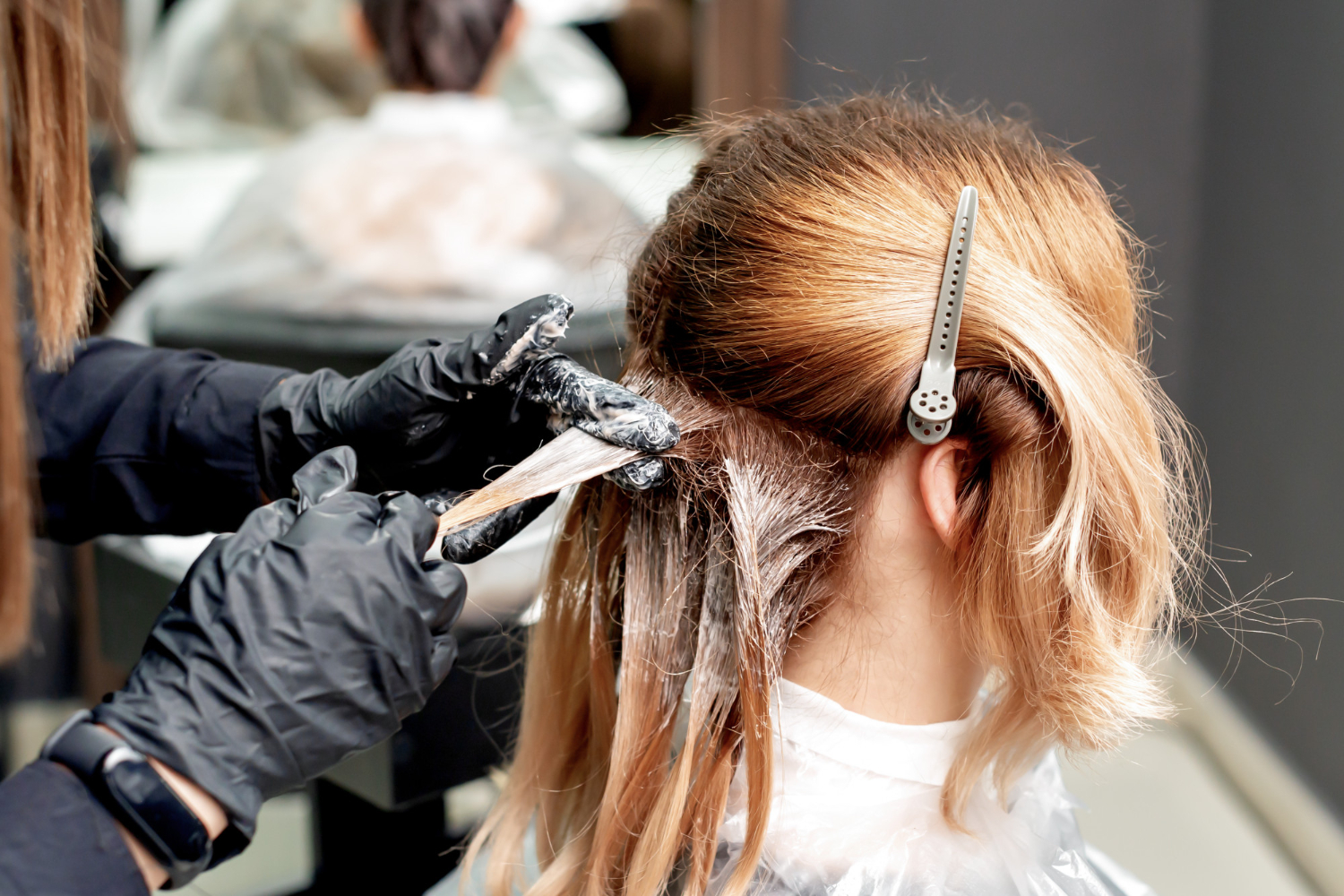
Toning solves several important problems, the main one being the neutralization of unwanted tones that occur after bleaching or natural hair burnout. Lightened hair often acquires yellowing or orange undertones, which looks unaesthetic. The right toner with violet or blue pigments can neutralize these shades, thanks to the principles of color theory: violet neutralizes yellow, blue - orange, green - red. Professional colorists use a special neutralization chart to select the perfect corrective shade.
In addition to neutralization, toning can significantly improve the appearance of hair, adding depth and multi-dimensionality. Modern tinting products contain light-reflecting particles and polymers that create a glossy shine effect even on damaged hair. The effect is particularly pronounced with acidic toning with pH 4.5-5.5, which not only adds pigment but also closes the cuticle scales, making hair smoother and less porous. This treatment can increase light reflection by 40-60%, creating the visual effect of healthy, well-groomed hair.
One of the main advantages of toning is the ability to experiment with color without long-term consequences. Modern toners allow you to add soft pastel shades (pink, lavender, peach) even to conservative clients who are not ready for radical changes. Since the pigment is washed out gradually, the effect of toning can be evaluated in everyday life and, if necessary, corrected next time. This is especially true for those who want to match the shade to seasonal changes in color type or update the image for a certain event without radical transformations.
Toning effects for different hair types:
- For lightened hair: eliminating yellowing, adding ashy, pearly or pastel nuances
- For natural blonde hair: enriching the natural shade, adding depth and expressiveness
- For blonde hair: neutralizing dullness, adding cool or warm undertones without radical coloring.
- For gray hair: softening the contrast between natural and gray hair, masking the yellowing of gray hair.
- For previously colored hair: refreshing the color, smoothing the tone, preparing for new coloring
Combining melting and tinting
Combining blonding with subsequent toning is one of the most popular and effective strategies for changing hair color. These techniques complement each other perfectly: melting creates a light base on individual strands, while toning corrects their shade and combines them with the rest of the hair mass into a harmonious composition. This approach allows you to achieve soft, multi-dimensional color transitions, which are impossible to get when using only one technique.
The classic scheme of the combined procedure includes several stages. First, melting is performed by the chosen method (foil, cap, open air), then the hair is thoroughly washed with a neutralizing shampoo to eliminate the residues of the lightening composition. After drying is applied tinting composition, which is maintained in accordance with the manufacturer's recommendations (usually 10-20 minutes). The final step is the use of a fixing conditioner with an acidic pH (3.5-4.5), which closes the cuticle and seals the pigment. The total duration of the combined procedure is 2-3.5 hours, depending on the length of the hair and the complexity of the work.
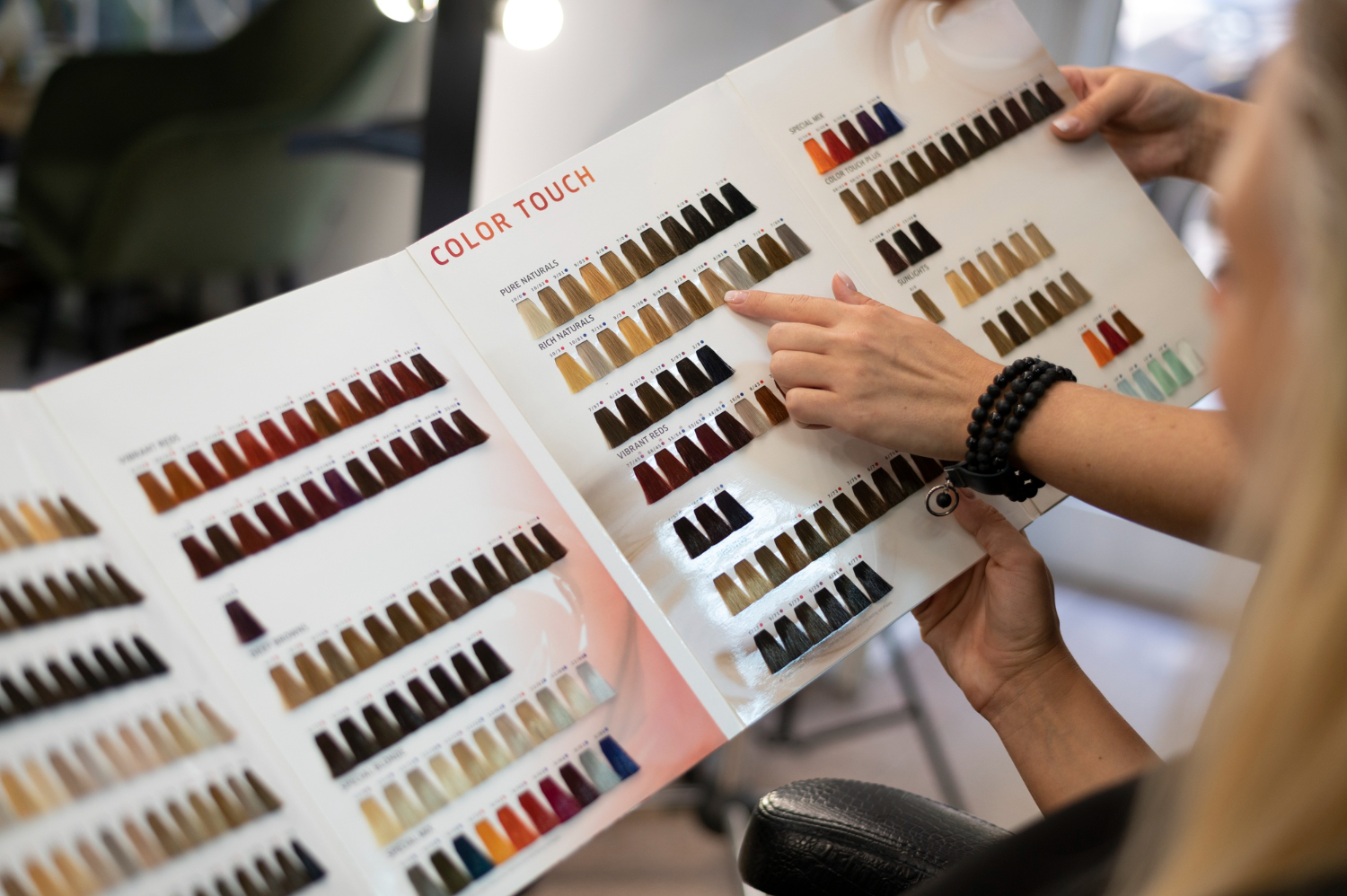
Modern trends in combined coloring include complex techniques using several shades of toners. For example, the "color filter" technique involves tinting the roots in a darker shade, the middle part in a base shade, and the ends in a lighter shade or adding a trendy accent. The technique of "color melting" (color melting) uses 3-4 close shades of toner to create incredibly smooth transitions without visible boundaries between colors. To create complex color solutions, masters use special mixing palettes and shade maps that allow you to accurately predict the result.
Popular combinations of melting and toning:
- Ashy blond: melting + toning with purple pigments
- Caramel shimmer: partial blonding + tinting in golden beige shades
- Rose gold: lightening to level 9-10 + tinting with a mixture of peach and pink.
- Complex shade: melting of individual strands + tinting in several layers with different shades of brown.
- Scandinavian blond: babylights melting + cool ash tinting.
Hair care after bleaching
Bleached hair requires special care, as the bleaching process inevitably damages the structure of the hair. Lightening compounds open the cuticle scales and partially destroy natural lipids and proteins, resulting in increased porosity and dryness. After coloring, hair can lose up to 30% moisture faster than uncolored hair, so the key to home care is to restore hydrolipidic balance and strengthen the hair structure.
Basic care should include the use of sulfate-free shampoos that gently cleanse without washing out the artificial pigment and without drying out the lightened strands. The optimal frequency of washing is 2-3 times a week, with more frequent washing it is recommended to alternate shampoo with sulfate-free cleansing conditioners (co-wash). After each wash, a conditioner or mask with a low pH (4.5-5.5) should be used to help close the cuticle, retain moisture and prevent breakage. Especially effective are products containing hydrolyzed proteins (keratin, silk, wheat), ceramides and vegetable oils (argan, coconut, jojoba).
Professional procedures in the salon can significantly improve the condition of chalked hair. Reconstructive treatments with injections of proteins and amino acids repair structural damage and restore elasticity. Deep moisturizing with hyaluronic acid and glycerin restores the hydrobalance and prevents dryness. The optimal frequency of salon treatments is once every 3-4 weeks in the first months after melting, then once every 1.5-2 months to maintain the result.
Special products for melilated hair:
- Purple shampoos and conditioners: neutralize yellowing on blonde strands (use 1-2 times a week)
- Protein fillers: repair damaged areas of the hair from the inside out (use once every 7-10 days)
- Oil serums with UV filters: protects against fading and prevents dryness (apply to wet or dry hair).
- Bonding Complexes: repair disulfide bonds broken during bleaching (use as directed)
- Non-washable conditioners: form a protective film and facilitate combing (use after every wash).
Hair care after toning
Hair after toning requires less intensive restoration compared to chalked hair, but proper care is necessary to maintain color saturation and prevent its rapid washout. Toner molecules are mainly held on the surface of the hair and in the upper layers of the cortex, so they are easily washed out by contact with water, especially hot water. The water temperature should not exceed 37-40°C when washing your hair - this allows the color to last 20-30% longer.
A key aspect of tinted hair care is to maintain an acidic pH. An alkaline environment (pH above 7) opens the cuticle scales, promoting pigment washout, while an acidic environment (pH 4.5-5.5) closes them, sealing the color inside the hair. Low pH shampoos and conditioners are recommended, as well as finishing rinses with apple or lemon cider vinegar (1-2 tablespoons per liter of water). After every third or fourth wash it is useful to apply tinting balms or masks corresponding to the chosen direction of toning - they help to maintain the intensity of color between salon procedures.
Additional protection for tinted hair is provided by proper thermal protection and minimization of aggressive influences. High temperatures during styling destroy dye molecules, so it is necessary to apply heat protectants with temperature protection up to 230°C before using irons, flat irons and hair dryers. Chlorinated water in swimming pools, sea salt and ultraviolet light also negatively affect the durability of tinting. Before visiting the beach or pool it is recommended to apply protective oils or sprays with UV filters to the hair, and after bathing immediately rinse the hair with fresh water.
Care recommendations for tinted hair:
- Washing frequency: no more than 2-3 times a week, using dry shampoos between main washes
- Proper cleansing: sulfate-free, low pH shampoos designed for color-treated hair
- Heat protection: limiting the use of hot tools (no more than 180°C), use of protective sprays.
- UV protection: special products with UV filters for active sun exposure.
- Maintenance treatments: professional glazing every 3-4 weeks to refresh the color
Вернуться на страницу блога


