Benefits of Thai foot massage
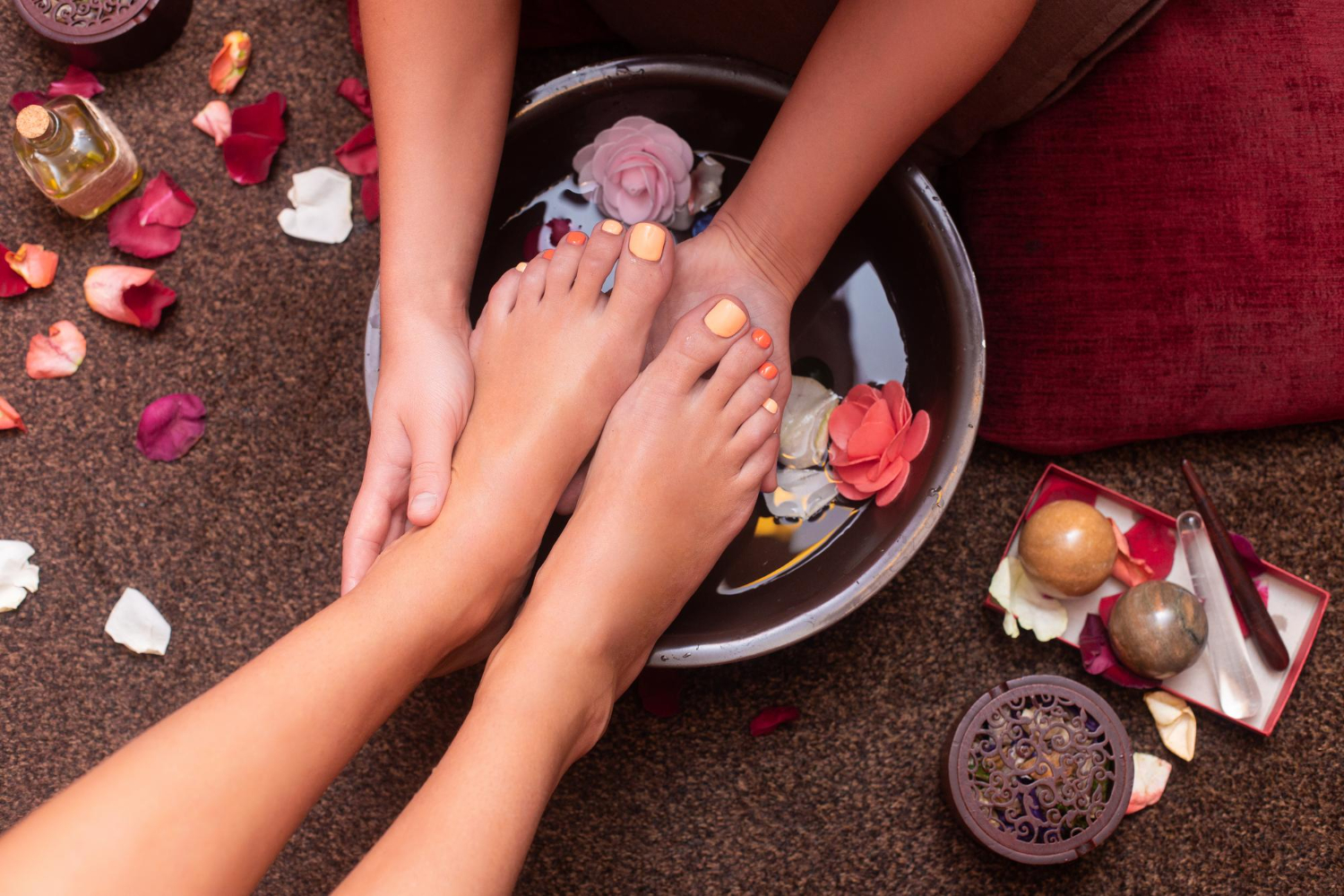
Thai foot massage differs radically from European techniques in terms of intensity and comprehensive approach. While classic massage uses pressure of 8-12 kg/cm², Thai techniques apply force of up to 15-20 kg/cm² using wooden sticks and the masseur's elbows. This allows the deep layers of muscle and connective tissue to be worked on.
This ancient practice, dating back more than 2,500 years, now has scientific backing. Studies show that a 60-minute Thai foot massage improves blood circulation by 40-60%, reduces muscle tension by 35%, and activates the production of endorphins. Unlike relaxing techniques, Thai massage addresses specific problems: swelling, pain, and joint mobility issues.
The procedure involves working with biologically active points (more than 70 on each foot), stretching muscles and ligaments, and deep massage of reflex zones. The temperature of the tissues increases by 2-3°C, which intensifies metabolic processes by 1.5-2 times compared to the resting state.
Improved blood circulation and lymphatic drainage
After understanding the basics of the technique, it is important to consider the primary physiological effects. Thai foot massage has a powerful effect on the vascular system of the lower extremities, where congestion often occurs.
Venous outflow is stimulated by rhythmic pressure and rubbing, which act as a muscle pump. The speed of venous blood flow increases 3-4 times, which is critical for people with sedentary jobs. After an 8-hour workday, office workers experience a 15-20% increase in blood volume in the veins of their legs, and Thai massage normalizes this indicator in 45-60 minutes.
The lymphatic system reacts even more strongly. Lymph flow accelerates 5-6 times thanks to special movements from the periphery to the center. This ensures active removal of toxins and metabolic products. Studies show a 25-30% reduction in lactic acid concentration in tissues just 30 minutes after the procedure.
Leg swelling is reduced by 40-50% with regular massage. The calf circumference in the ankle area decreases by an average of 1.5-2 cm after a course of 10 procedures. This is especially relevant for pregnant women and people with varicose veins.
Microcirculation improves thanks to the opening of the capillary network. The number of functioning capillaries increases by 20-25%, which ensures better oxygen and nutrient supply to the tissues. The temperature of the skin on the feet rises by 1-2°C and remains elevated for 3-4 hours after the massage.
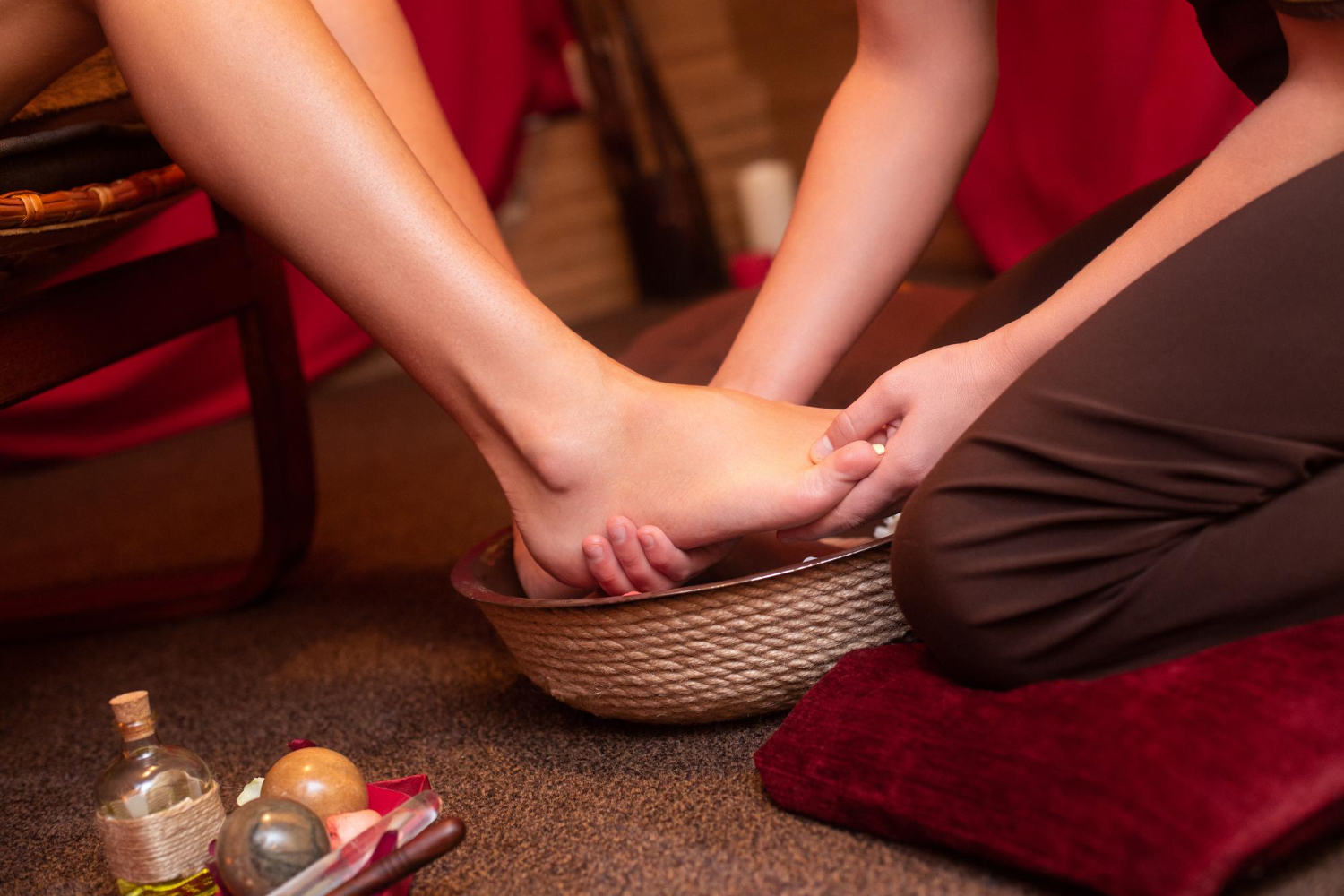
Relieving muscle tension and pain
Next, we need to consider the impact on the musculoskeletal system of the feet and lower legs. Modern lifestyles cause chronic overload of certain muscle groups, leading to the formation of painful lumps and restricted mobility.
Deep muscle layers are worked on using targeted pressure and stretching. Thai techniques affect all 26 muscles of the foot, including the hard-to-reach interosseous and worm-like muscles. Muscle tension is reduced by 30-40% after the first session, which is confirmed by electromyographic studies.
Trigger points — localized muscle spasms — are eliminated by applying targeted pressure of 12-15 kg/cm² for 30-60 seconds. This is 2-3 times higher than the pain threshold, but it ensures complete relaxation of the spasmodic fibers. The effectiveness is 80-85% when working with chronic trigger points.
Plantar fasciitis—inflammation of the plantar fascia—is one of the most common problems successfully treated with Thai massage:
- Pain syndrome is reduced by 50-60% after a course of 8-10 procedures.
- Foot mobility increases by 15-20°
- Inflammatory processes are suppressed by improving blood supply.
Heel spurs measuring up to 3-4 mm show positive results with regular massage. Pain when walking is reduced by 40-50%, allowing a return to normal physical activity.
Recovery after physical exertion is accelerated by 1.5-2 times. For athletes, the time required for complete recovery of the calf muscles is reduced from 48-72 hours to 24-36 hours when Thai massage is applied for 2 hours after training.
Activation of reflexogenic zones
After working with the muscles, it is important to understand the principles of reflexology in Thai massage. The feet contain projection zones for all organs and systems of the body, which allows for a comprehensive healing effect.
Reflexology is based on the idea that each part of the foot is connected to a specific organ through nerve endings. There are more than 7,000 nerve endings in an area of the foot measuring 200-250 cm², which is 10 times the density of innervation in other parts of the body. Stimulation of these areas transmits impulses to the corresponding organs via the spinal cord.
Biologically active points are stimulated with pressure of 10-15 kg/cm² for 1-2 minutes each. Studies show that such exposure changes the electrical activity of the corresponding organs by 15-25%. For example, massage of the liver area (the arch of the right foot) improves the detoxification function of the organ by 20-30%.
The effect on internal organs manifests itself through changes in their functional activity:
- Cardiovascular system: reduction in blood pressure by 8-12 mmHg.
- Digestive system: 25-30% increase in intestinal peristalsis
- Endocrine system: normalization of thyroid hormone production
- Urinary system: increase in diuresis by 15-20%
Energy flows in the body are harmonized through work with the meridians. According to Thai tradition, six main energy channels pass through the feet, and blockages in these channels lead to various diseases. Massage restores the free flow of energy, which manifests itself in improved overall well-being and a 30-40% increase in vitality.
Improved joint mobility and flexibility
After activating the reflexogenic zones, it is important to consider the mechanical impact on the joint-ligament apparatus. Thai foot massage includes special stretching and mobilization techniques that restore the natural biomechanics of movement.
The range of motion in the ankle joints increases by 15-25° after a course of 10 procedures. This is especially important for people who wear high-heeled shoes, where the angle of foot flexion is limited to 10-15°. The normal range of dorsiflexion is 20°, and plantar flexion is 50°. Thai massage restores these indicators to physiological norms.
The ligaments and tendons are stretched gradually, holding each position for 30-60 seconds. The elasticity of the Achilles tendon increases by 12-18%, which reduces the risk of tears during physical activity. The plantar fascia is lengthened by 8-10%, eliminating excessive tension and pain.
Prevention of arthritis and arthrosis is achieved by improving the nutrition of joint cartilage. Compressive and stretching movements create a pumping effect, improving synovial fluid circulation by 30-40%. The thickness of cartilage in the small joints of the foot increases by 5-8% with regular massage.
The biomechanics of walking are normalized by restoring the correct position of the foot bones. In people with flat feet, the height of the longitudinal arch increases by 3-5 mm after 12-15 procedures. This improves the shock absorption function of the foot and reduces the load on the spine by 15-20%.
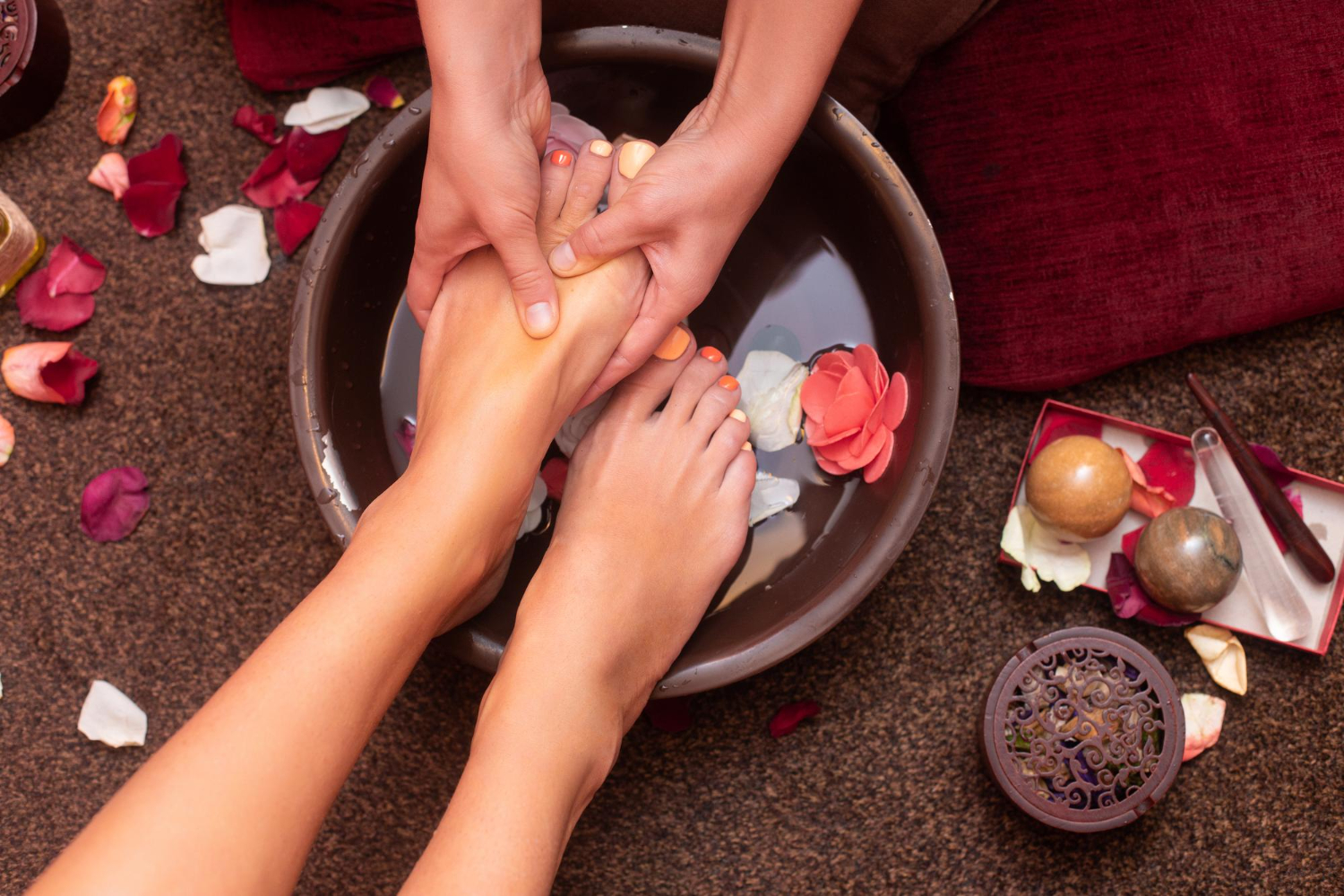
Psychological relaxation and stress relief
Next, it is necessary to study the effect of Thai foot massage on the nervous system and psycho-emotional state. The feet contain many nerve endings, the stimulation of which causes a cascade of physiological reactions aimed at relaxation.
The parasympathetic nervous system is activated after just 10-15 minutes of massage. The heart rate decreases by 8-12 beats per minute, and blood pressure decreases by 5-10 mm Hg. Breathing becomes deeper and less frequent—from 16-18 to 12-14 breaths per minute.
The level of cortisol, the main stress hormone, decreases by 25-35% within 2 hours after the procedure. At the same time, the production of serotonin and endorphins increases by 40-50%, creating a lasting feeling of relaxation and well-being. The effect lasts for 24-48 hours.
Sleep quality improves due to the activation of inhibitory centers in the brain:
- The time it takes to fall asleep is reduced from 20-30 minutes to 8-12 minutes.
- The duration of deep sleep increases by 15-20%.
- The number of nighttime awakenings decreases by 2-3 times.
- Morning alertness increases by 30-40%
Emotional well-being improves thanks to a 20-30% reduction in anxiety levels on psychological scales. People report increased stress resistance and the ability to cope with everyday problems. Concentration increases by 15-25% within 3-5 days after the massage.
Strengthening the immune system
After examining the psychological effects, it is important to consider the impact on the body's protective functions. Thai foot massage activates the immune system by stimulating reflex zones and improving overall circulation.
The body's protective functions are enhanced through the activation of lymph nodes in the groin and popliteal fossa. The rate of lymphocyte formation increases by 20-25%, and their activity increases by 15-20%. This ensures a more effective fight against pathogenic microorganisms.
Metabolic processes are accelerated at the cellular level thanks to improved microcirculation. Oxygen delivery to tissues increases by 25-30%, and the removal of waste products is accelerated by 1.5-2 times. This creates unfavorable conditions for the development of inflammatory processes.
Resistance to colds increases due to stimulation of the immune zones of the feet. Studies show a 30-40% reduction in the incidence of acute respiratory viral infections in people who regularly receive Thai foot massage. The duration of illness is reduced from 7-10 days to 4-6 days.
Tissue regeneration processes are accelerated thanks to the activation of stem cells and growth factors. Minor wounds and cuts heal 25-30% faster. Recovery after physical exertion is reduced from 48-72 hours to 24-36 hours.
Вернуться на страницу блога


