Hair coloring: how to choose a shade to match your appearance type
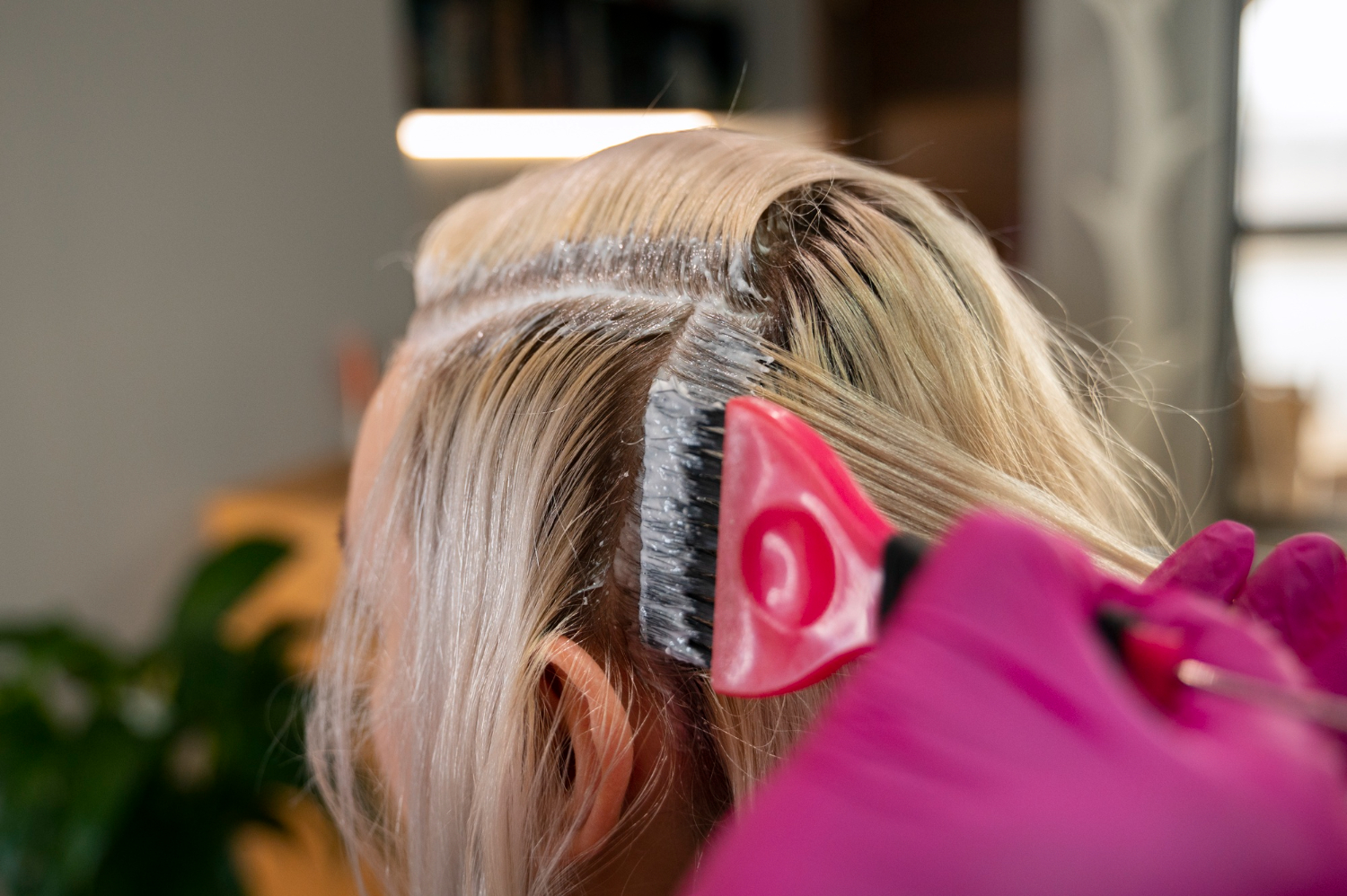
Unsuccessful hair color, yellowing after lightening, too dark or unnaturally bright shade - these are the problems faced by every woman who decided to change her image with the help of coloring. Often the reason for disappointment lies not in the quality of the dye or the professionalism of the master, but in the wrong choice of shade, which does not harmonize with the natural color type of appearance.
Do you want to change your hair color so that the result is pleasing and emphasizes your individuality? The right shade can not only refresh your image, but also visually rejuvenate your face, make your features more expressive and your skin radiant. About how to determine your color type and choose the perfect shade of hair, we will tell you in this article.
We offer you recommendations on how to choose the hair shade according to your type of appearance. Using these tips, you will be able to avoid common mistakes when coloring and create a harmonious image that will look natural and attractive.
Determining your color type
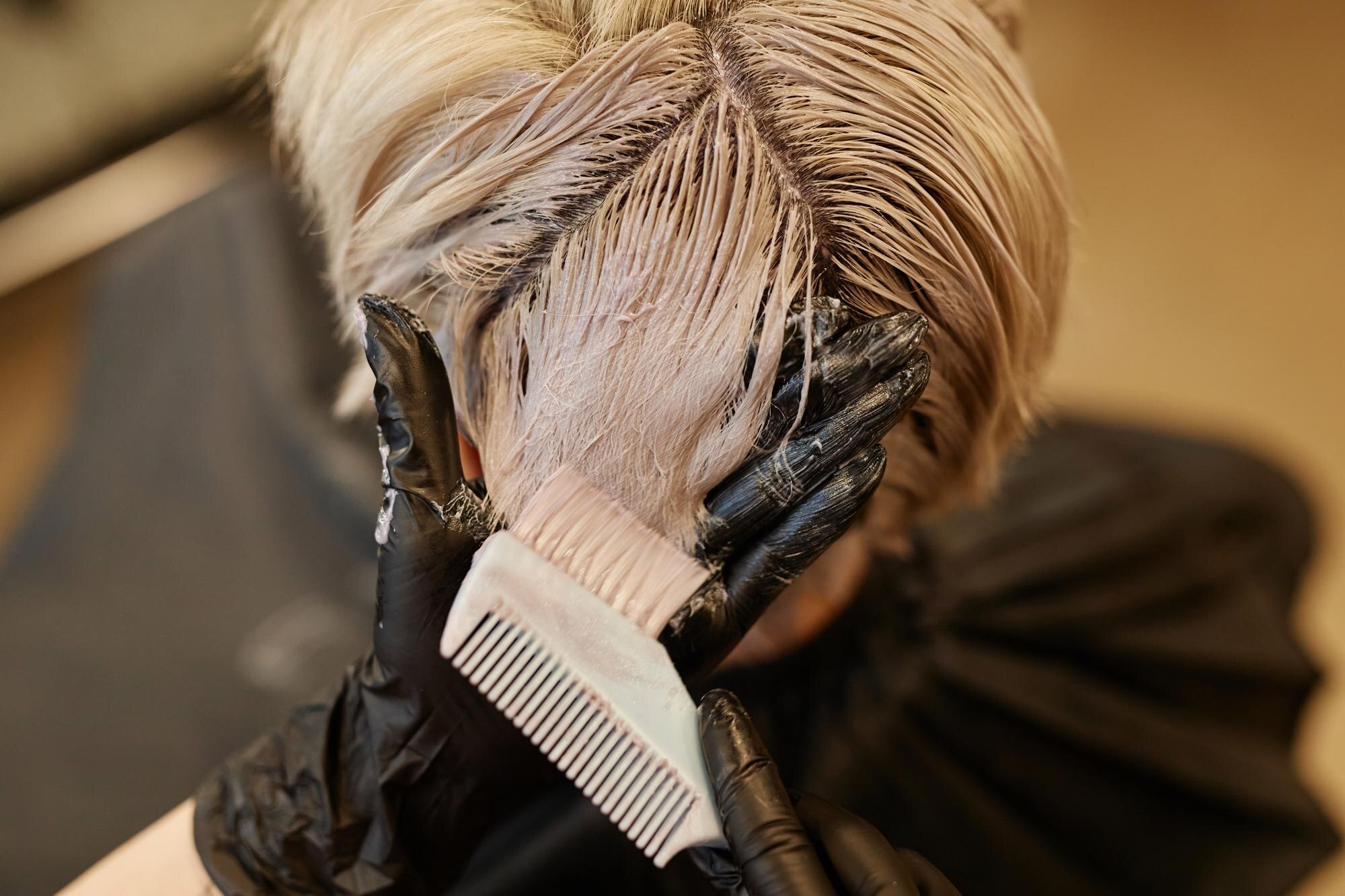
Before choosing a new hair shade, it is important to determine your color type. This concept, which comes from colorism, describes a unique combination of eye color, skin color and natural hair. Professionals distinguish four main color types, named after the seasons: "Spring", "Summer", "Autumn" and "Winter". Each of them has its own optimal palette of shades that emphasize natural beauty and harmonize with the natural colors of appearance.
You can determine your color type by several key parameters. The first step is to assess your skin tone. To do this, look at the veins on the inside of your wrist in daylight: if they look blue or purple, you have a cold undertone (characteristic of "Winter" and "Summer"); if they are green, you have a warm undertone ("Spring" and "Autumn"). The second important criterion is how your skin reacts to the sun: if it tans easily and rarely burns, this indicates a warm undertone; a tendency to redness and sunburn often indicates a cool undertone. Finally, consider whether your jewelry is gold (warm undertones) or silver (cool undertones).
It is better to entrust the exact definition of your color type to a professional colorist, but you can make a preliminary self-diagnosis. Stand in front of a mirror in natural light, take your hair away from your face and alternately apply to your face cloths of pure colors: bright white and cream, cool pink and warm peach, blue and green. Notice which colors accentuate your natural blush, make your eyes more expressive and your skin more radiant. These shades correspond to your color type.
The main characteristics of color types:
- Spring: light or peachy skin with warm golden undertones, easily tanned, eyes blue, green or amber, freckles golden, natural hair color - from light brown to golden brown
- Summer: light skin with a cool pinkish undertone, difficult to tan, often burns, eyes gray-blue, gray-green or light brown, natural hair color - ash-blond, mouse or medium brown with ash tint.
- Autumn: skin is cream or olive with a warm golden undertone, tans quickly, eyes are brown, amber or marsh green, often reddish tones in the hair and freckles, natural hair color is coppery red to brown
- Winter: very light (porcelain) or olive skin with a cold undertone, or swarthy, eyes bright blue, dark brown or black, contrasting with the skin, natural hair color - from dark brown to black without redness
Optimal shades for the color type "Spring"
If you have defined your color type as "Spring", you are distinguished by a fresh appearance with warm golden notes. The skin of the "spring" type usually has a peachy or creamy shade with a golden undertone, and eyes - light, more often blue, green or hazel. The natural hair color of "spring" girls ranges from light blonde to russet with a golden cast, sometimes with a reddish tint.
Ideal hair shades for "Spring" are warm, sunny, with a golden undertone. They perfectly harmonize with the natural coloring of the appearance and emphasize the radiance of the skin. Honey blondes, golden russet, amber and caramel shades are best suited for "spring" girls. When lightening it is important to avoid cold platinum tones, giving preference to warm beige and wheat tones. For darker tones, golden brown and light red variants are perfect, which will bring sunny warmth to the image, inherent in the "spring" color type.
It is worth categorically avoiding shades with ashy undertones, blue-black and platinum blondes. These cold colors will create a sharp contrast with the warm skin tone, make the face pale and emphasize imperfections. Also, too dark shades are not recommended, which can weigh down the image and create an artificial impression, especially if you have light skin and delicate facial features.
Optimal shades for the "Spring" color type:
- Blonde hair: golden blonde, honey blonde, wheat blonde, peach blonde, light caramel blonde
- Medium tones: golden blonde, amber, copper blonde, caramel blonde, warm beige.
- Dark hair: golden brown, copper brown, cinnamon, warm chocolate.
- Red shades: light red, apricot, copper, honey red, golden red.
- Coloring techniques: golden-toned chalking, babylights, warm balayage
Optimal shades for the "Summer" color type
The "Summer" color type is characterized by a soft, muted color range with a cool undertone. The owners of this color type often have light skin with pinkish or neutral undertones, which is difficult to tan and prone to redness. Eyes are usually gray-blue, gray-green or light brown, and the natural color of hair - from ashy-brown to medium brown with ashy undertones.
The ideal shade palette for "summer" girls is cold, muted tones without bright saturation. Ash, platinum and pearl shades of blond will perfectly emphasize the natural beauty and give the image of sophistication. For medium tones you should choose ash-blonde, smoky and cool brown shades. When coloring in dark tones, it is better to stop at cold chocolate or graphite, avoiding black, which can look too contrasting with the delicate "summer" appearance.
All shades with warm golden, copper or red undertones should be avoided. Such colors will create a dissonance with the cold skin tone, may give the face an unhealthy yellowish tint or emphasize redness. Also undesirable are too saturated and contrasting colors that do not match the soft and muted color scheme of the "summer" color type.
Optimal shades for the "Summer" color type:
- Blonde hair: ash blond, platinum, pearlescent, silver, cool beige
- Medium tones: ash blonde, graphite, smoky, dusty blonde, muted chestnut.
- Dark hair: cold chocolate, bitter chocolate, eggplant, mocha, graphite brown.
- Trendy shades: ash pink, lavender, silver mauve, bluish gray.
- Coloring techniques: ash melting, ash balayage, "ash smoke" technique.
Optimal shades for the "Autumn" color type
The "Autumn" color type is characterized by a rich palette of warm, deep shades. The skin of "autumn" girls usually has a warm golden or olive undertones, easily tanned to a beautiful shade. Amber, brown or marsh-green eyes are characteristic, often with speckles. Natural hair color varies from copper-red to dark brown with a reddish tint, often there are freckles of golden or brown shade.
The best hair colors for the "autumn" color type are rich, warm shades with golden, copper or reddish undertones. They emphasize the natural richness of the color and make the image harmonious. Red and copper shades of all intensities - from delicate golden red to bright copper - look especially winning on "autumnal" girls. For those who prefer chestnut and brown tones, warm variations will be ideal: bronze, cinnamon, chestnut with a reddish cast, warm chocolate and mahogany.
It is necessary to avoid ash, platinum, blue-black shades and all colors with a pronounced cold undertones. They create dissonance with the warm coloring of the appearance, make the skin pale or emphasize redness. Also undesirable shades of "blond" without golden undertones, which can look unnatural against the background of characteristic for "Autumn" warm features of appearance.
Optimal shades for the color type "Autumn":
- Blonde hair: golden-wheat, honey, amber, caramel, warm sandy colors
- Medium tones: bronze, copper blonde, cinnamon, ginger, auburn with a reddish tint
- Dark hair: warm chestnut, cognac, mahogany, chocolate brown with a copper undertone
- Red shades: copper, terracotta, red-brown, chestnut red, burgundy.
- Coloring techniques: warm balayage in copper shades, cognac melting, "cinnamon and honey" technique.
Optimal shades for the "Winter" color type
Colorotype "Winter" is the most contrasting of all. The owners of this type of appearance are distinguished by a bright, expressive appearance with a cold undertones. The "winter" girls are characterized by very light porcelain skin, or olive or swarthy with a cold undertone. Eyes are usually bright, saturated color: ice-blue, emerald green, dark brown or even black. Natural hair color ranges from dark blonde to blue-black, without a hint of redness.
The ideal shades for the "winter" color type are cold, clean and saturated colors. Unlike the muted tones of "Summer", "Winter" is suitable for bright, contrasting shades with bluish undertones. For blondes of the "Winter" color type, platinum, silver, and ash shades are optimal - the colder, the better. Brunettes should choose rich coal-black, graphite and blue-black shades, which will emphasize the natural contrast of appearance. Also effective look cold dark brown tones, close to black.
Any warm shades with golden, copper or red undertones are categorically not recommended. They create dissonance with the cold coloring of the appearance, give the face an unhealthy look and visually "extinguish" the natural radiance of the skin. You should also avoid muted, "dusty" tones, which deprive the "winter" type of its characteristic brightness and expressiveness.
Optimal shades for the "Winter" color type:
- Blonde hair: platinum blond, silver, ice blond, ash white, cool pearlescent
- Medium tones: graphite, steel, cool ash brown, smoky blue.
- Dark hair: blue-black, charcoal, eggplant, dark graphite, dark chocolate without redness.
- Highlights: blue, purple, bordeaux, blueberry, cool pink.
- Coloring techniques: contrast melting, ash balayage, color blocking technique
Coloring techniques for different types of appearance
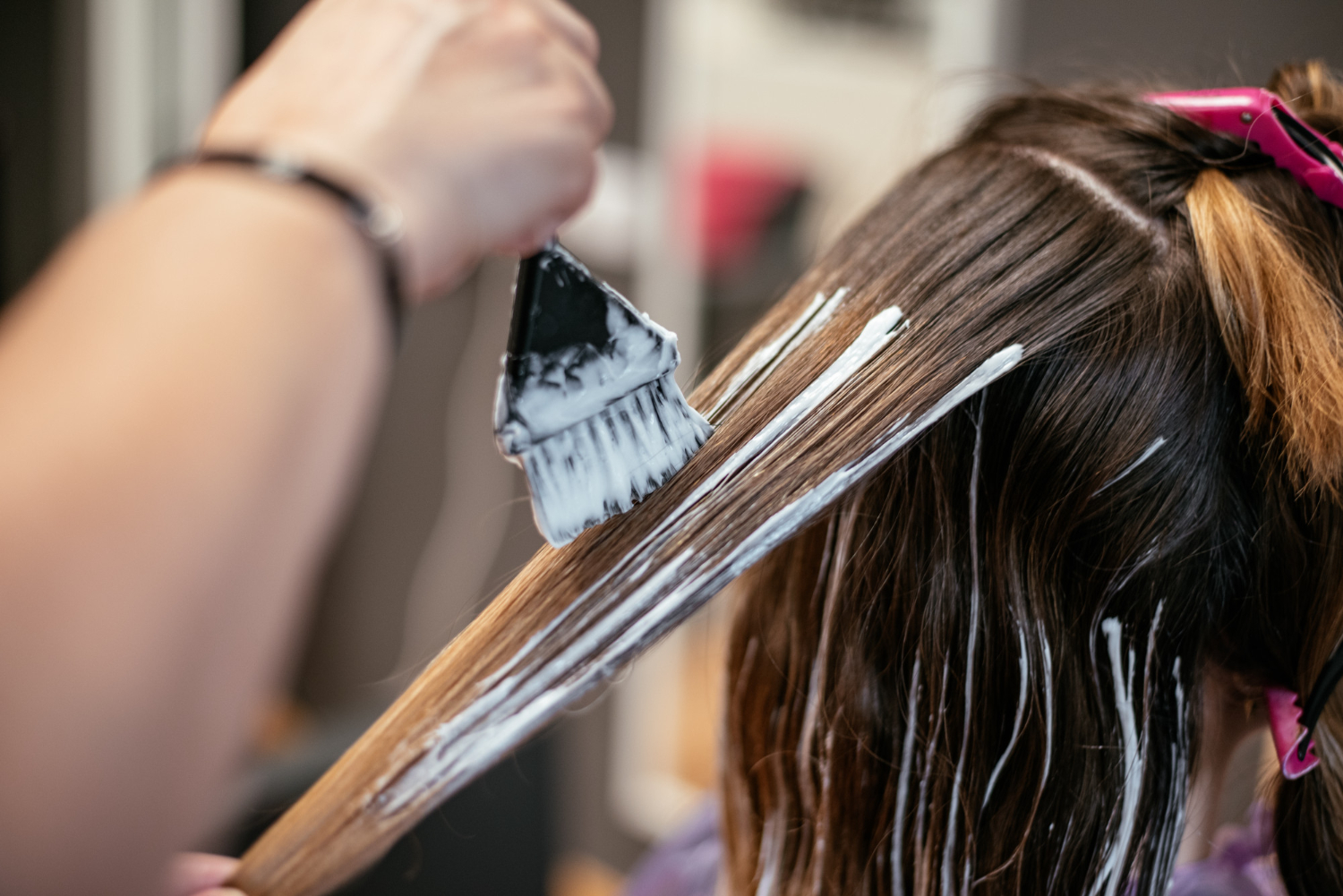
The choice of not only the shade, but also the coloring technique is of great importance for creating a harmonious image. Different coloring methods interact differently with facial features, emphasizing the advantages and masking the disadvantages of the appearance. Professional colorists take into account not only the color type, but also the shape of the face, hair structure and individual characteristics of the client.
Single coloring creates a uniform color throughout the hair and is best suited for those who want to dramatically change their natural shade or cover gray hair. This technique looks especially winning on the owners of color types "Winter" and "Autumn", which are characterized by rich, deep tones. However, monochrome coloring requires regular touch-ups of the roots every 3-4 weeks and can look flat, depriving the hair of natural volume and multi-dimensionality.
Techniques with smooth color transitions, such as ombré, balayage and shatush, are universal and suitable for all color types with the right shade selection. They create a multi-dimensional, vibrant color effect and look more natural. Balayage is a vertical stretch of color and is ideal for "Spring" and "Summer" in warm and cool tones, respectively. Shatush creates soft, blurred transitions and looks especially good on "Autumn" girls in honey and brown shades. Ombré with a contrasting transition from dark roots to light tips can be adapted to any color type by selecting the right shades.
Coloring techniques for different types of appearance:
- For round face: vertical balayage with lightening of strands around the face, visually lengthening the oval shape
- For a square face: soft techniques (Shatush, Babylights) with lightening at the temples and cheekbones to soften angular features.
- For triangular face: emphasis on lightening the top part of the hair and keeping it dark at the ends, balancing the proportions.
- For a long face: horizontal techniques (ombré) and lightening at the bottom for visual expansion
- For fine hair: multi-tonal coloring with 2-3 close shades to create visual volume.
- For thick hair: contrasting techniques with clear color transitions to structure the hair mass.
Practical tips for color matching
Even if you know your color type, many people find it difficult to choose a particular shade. Professional coloring palettes include hundreds of variations that differ in nuances of undertones and depth. Therefore, when selecting a color, it is important to consider not only theoretical recommendations, but also practical aspects of dyeing.
The first thing to decide is how much of a change you are willing to make. Changing the color within 1-2 tones from your natural color is the safest and looks as natural as possible. A radical change (for example, from brunette to blonde) requires a series of procedures, significantly damages the hair structure and requires special care. Lightening dark hair on 4-5 levels of tone may take 2-3 sessions with an interval of 2-3 weeks to minimize damage.
You should also consider your hair's original color and porosity. The darker and more porous the hair, the more difficult it is to achieve cool blonde shades without yellowing. This may require repeated toning and the use of a special purple or silver range of care products. When coloring blonde hair in a darker shade, it is important to take into account that over time the color can fade and show warm notes, so it is better to choose a tone slightly cooler than the desired one.
Practical tips for selecting a shade:
- Color testing: hold a strand of hair of the desired shade to your face in daylight or use virtual color fittings through special applications
- Consideration of color base: dark hair first requires lightening to a level 8-9 to achieve ashy tones, while a level 6-7 is sufficient for warm hair.
- Influence of the original color: the natural level 1-4 is lightened with the appearance of yellowness, 5-7 - with redness, 8-10 - with a golden undertone.
- Shade correction: violet neutralizes yellowness, blue - orange, green - redness.
- Consideration of age: as you get older, you should choose softer, more muted shades, 1-2 tones away from black or platinum blond.
Caring for colored hair of different shades
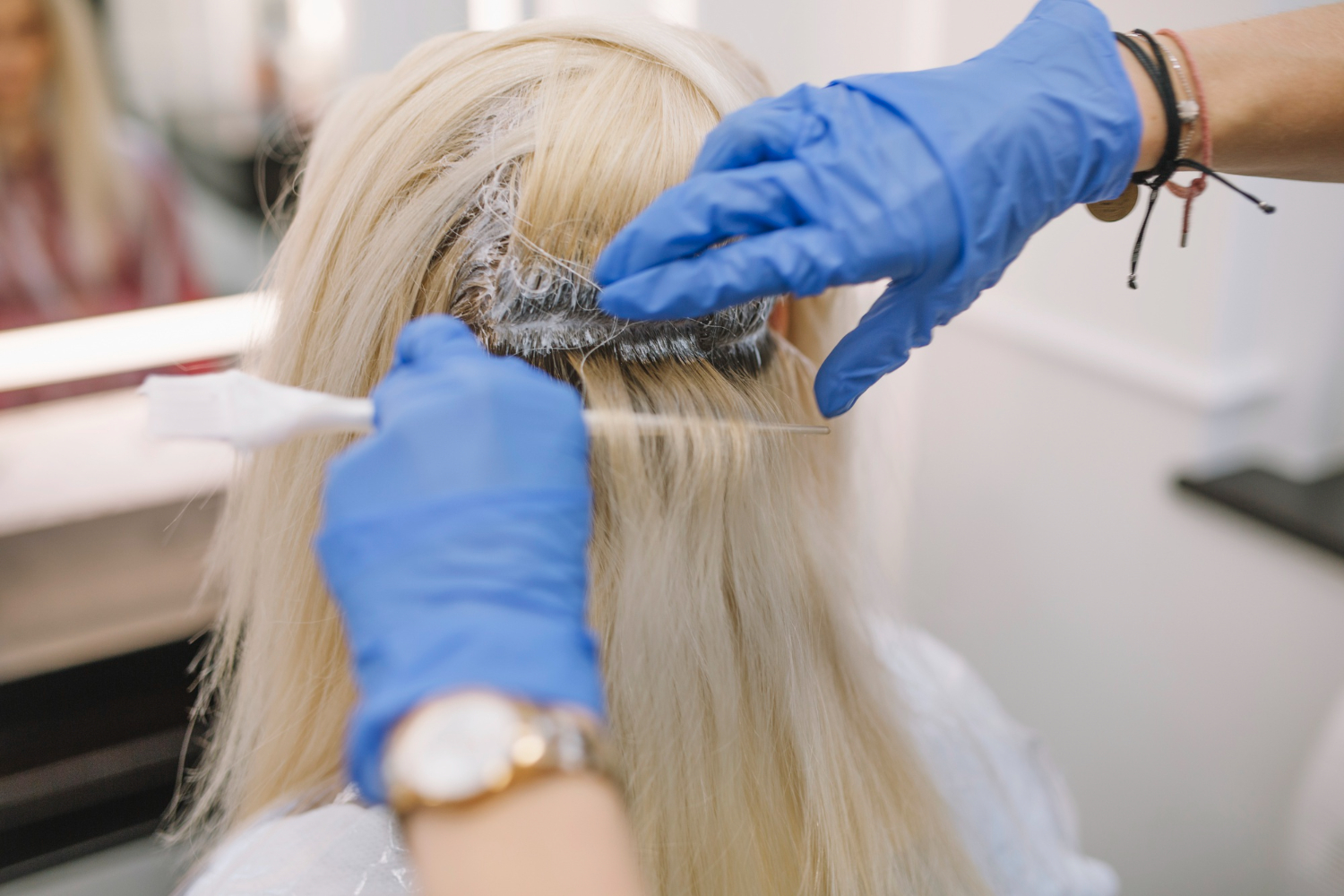
After investing time and money into the perfect hair color, it is critical to provide proper care to maintain the richness of the shade and the health of the locks. Different pigments leach out at different rates, so care protocols for blondes, brunettes and redheads have significant differences.
Light shades require special attention, as they show unwanted yellowness the fastest. Shampoos and masks with violet pigments should be used 1-2 times a week to maintain cool blond. Concentrated tinting products (violet or silver) should be used no more than once every 7-10 days to avoid drying out the hair and oversaturation of pigment. Thermal protection for blond should contain UV filters, as the sun can increase the yellowness of lightened hair by 30-40% in 2-3 weeks of regular sun exposure.
Darker shades are more long-lasting, but can fade and show redness over time, especially at the ends. To maintain color depth, it is recommended to use sulfate-free shampoos, which wash out pigment 15-20% slower. Tinting balms with blue or violet pigments will help neutralize the emerging warmth. Red and copper shades are the most capricious - they wash out 30% faster than other colors. To preserve them, use special products with copper pigments and conditioners with acidic pH (4.5-5.5), which close the hair scales and retain dye molecules.
Care for colored hair of different shades:
- For blonde: purple shampoo 1-2 times a week, silver mask 1 every 7-10 days, dry shampoo instead of frequent washing, UV protection
- For darker shades: sulfate-free shampoo, blue pigment mask once every 2 weeks, shine and color protection oils
- For redheads: shampoo with acidic pH, weekly use of tinting products, sun protection, masks with color protection
- Universal recommendations: wash with cool water (washes out 20% less pigment), heat protection, deep repair once a week.
- Correction frequency: blonde - every 4-6 weeks, darker shades - every 6-8 weeks, redheads - every 3-5 weeks.
Вернуться на страницу блога


