Why is it important to get a facial massage?
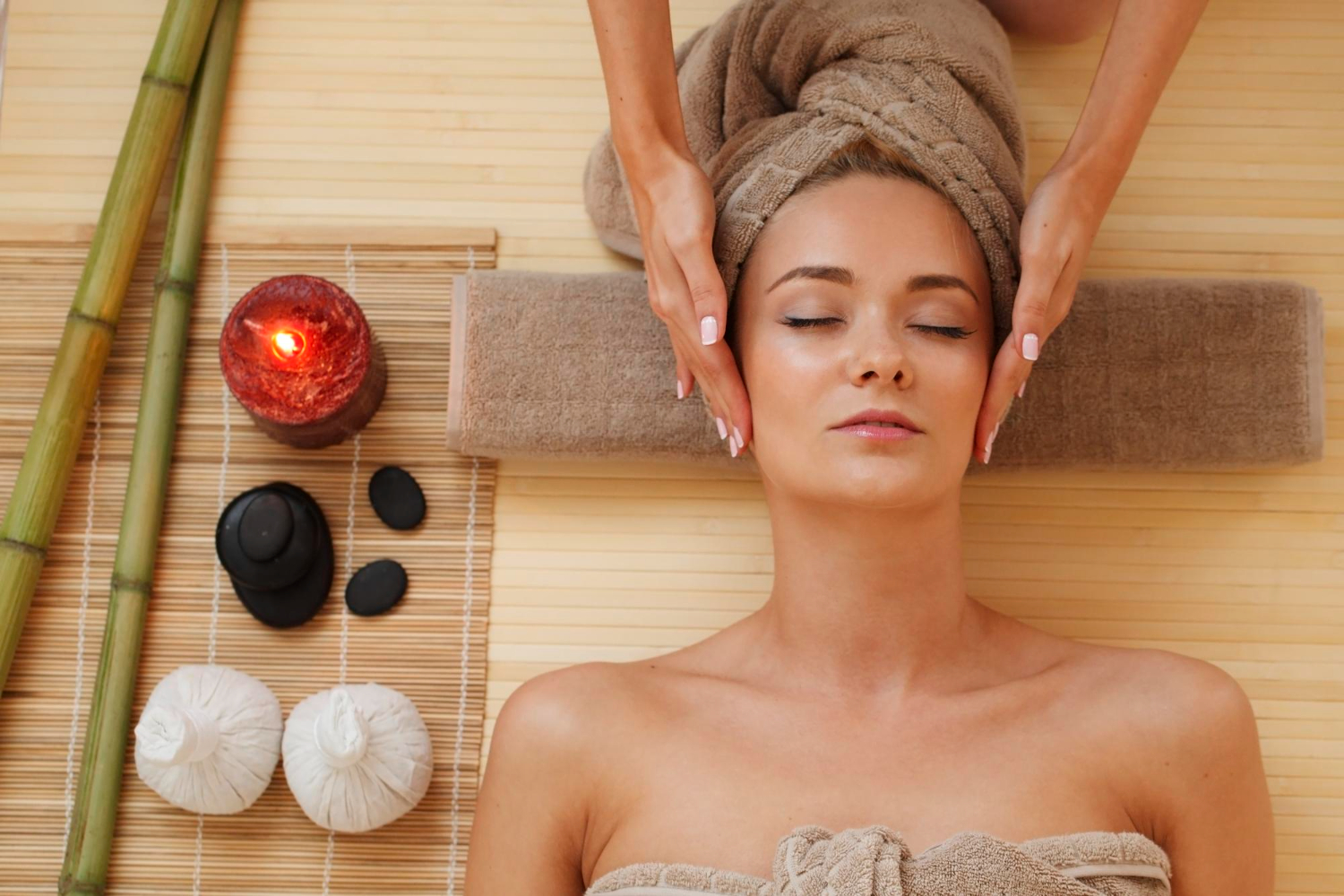
The skin on your face is only 1.5-2 mm thick, which is 2-3 times thinner than the skin on your body. At the same time, it contains 10 times more sebaceous glands and is constantly exposed to external factors. Every day, we make up to 15,000 facial expressions, which creates tension in 43 facial muscles and leads to the formation of wrinkles.
Gravity has a continuous effect on facial tissues, causing them to sag at a rate of 1-2 mm per year after the age of 25. Stress increases cortisol production by 300-400%, which destroys collagen fibers and accelerates the aging process. Urban dust and pollution clog pores 5 times faster than in other areas of the body.
Scientific studies have proven that regular facial massage increases blood circulation by 250%, stimulates collagen production by 35%, and improves muscle tone by 20-25%. These results are comparable to the effects of injection procedures, but are achieved naturally without side effects.
The physiological effects of massage on facial skin
Once you understand the anatomical features, it is important to understand the mechanisms of massage on facial tissues. Massage movements create pressure of 8-12 kg/cm², which is optimal for stimulating capillaries without damaging the delicate skin of the face.
Blood microcirculation improves by an average of 200-300% after just 10 minutes of massage. This ensures increased oxygen delivery to skin cells and accelerates the elimination of toxins. The lymphatic drainage effect manifests itself in the activation of lymphatic outflow, which reduces swelling by 40-60% in one session.
Collagen and elastin are the main proteins responsible for skin elasticity. Massage stimulates fibroblasts, increasing collagen synthesis by 30-40%. For comparison: by the age of 30, natural collagen production decreases by 1% per year, and massage compensates for these losses and creates an additional reserve.
The facial muscles are constantly tense, causing spasms and clenching. Massage relaxes overstrained areas and tones weakened areas, restoring balance. Electromyographic studies show a 45-50% reduction in pathological tension after a course of 10 procedures.
The sebaceous glands of the face produce up to 2-3 grams of sebum per day. Massage normalizes this function, reducing hypersecretion by 25-30% in oily skin and stimulating production by 15-20% in dry skin. This creates an optimal lipid balance and improves the skin's protective functions.
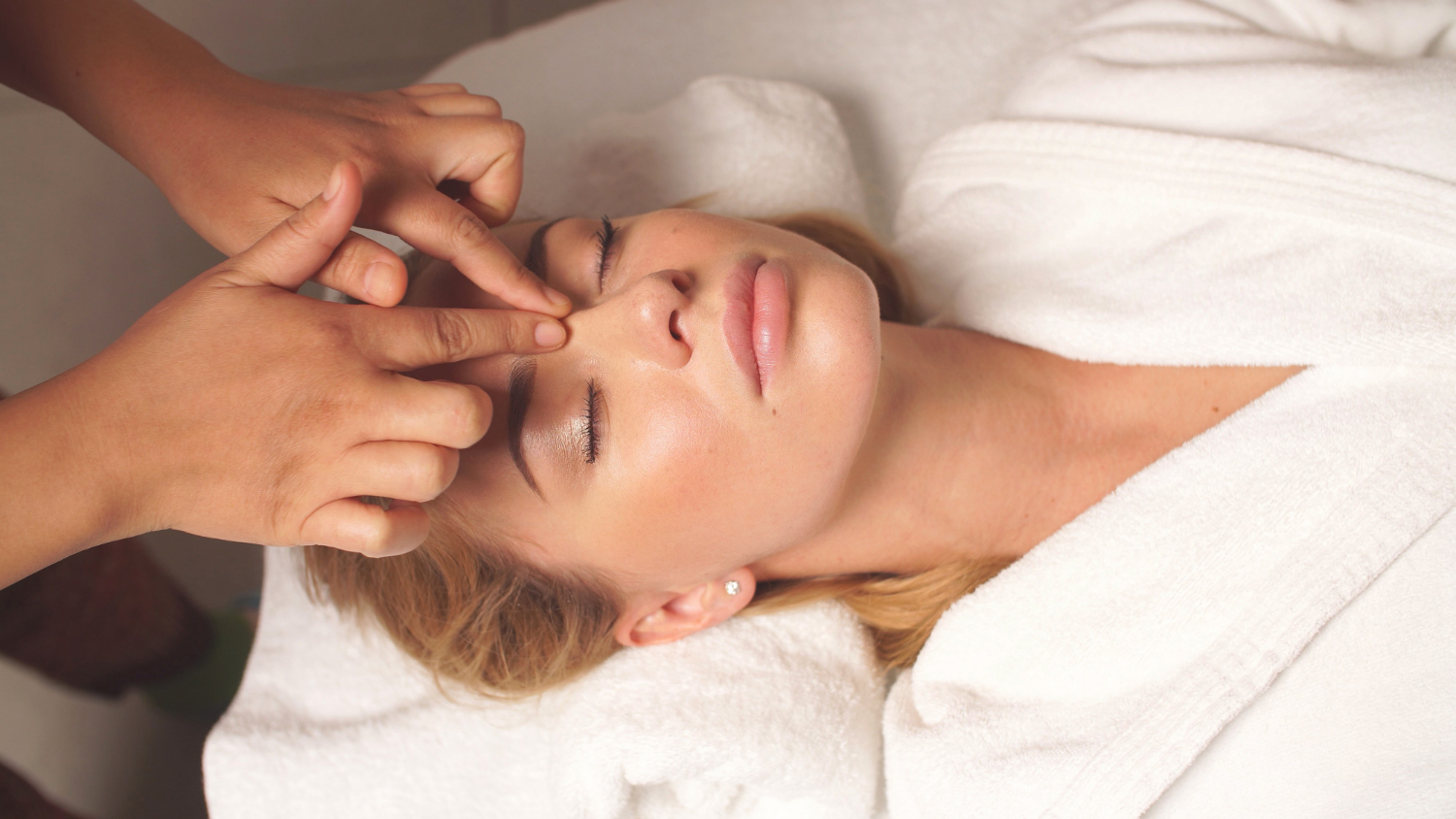
Specific problems addressed by facial massage
Next, we need to consider how massage deals with specific cosmetic problems. Each problem has its own mechanisms of development and requires targeted treatment.
Puffiness and bags under the eyes are caused by lymphatic congestion in the periorbital area. The skin around the eyes is four times thinner than the rest of the skin on the face and lacks sebaceous glands, making it particularly vulnerable. Lymphatic drainage massage accelerates fluid drainage by 3-4 times, visually reducing puffiness by 50-70% after the first treatment.
Wrinkles form in areas of greatest facial activity. Nasolabial folds appear around the age of 30-35, and wrinkles around the eyes appear around the age of 25-30. Massage works in two ways: it relaxes spasmodic muscles, reducing the depth of existing wrinkles by 20-35%, and prevents the formation of new ones by normalizing muscle tone.
A decrease in skin tone manifests itself in sagging tissue and a loss of facial contour definition. After the age of 35, the rate of sagging is 2-3 mm per year. Massage creates a lifting effect, raising the tissue by 3-5 mm over a course of 12-15 procedures. This effect lasts for 4-6 months with regular maintenance.
Problem skin is characterized by increased sebaceous gland secretion and clogged pores. Massage normalizes the sebaceous glands, reducing sebum production by 30-40%. At the same time, pore cleansing is improved by increased blood flow, which reduces the number of inflammatory elements by 40-60% after a month of regular procedures.
Types of facial massage and their specific effects
After studying the problems to be solved, it is necessary to examine the various facial massage techniques and their specific effects. Each type of massage has its own indications and expected results.
Classic facial massage includes stroking, rubbing, kneading, and vibration. The procedure lasts 30-40 minutes, with pressure of 6-10 kg/cm². This type of massage is universal and suitable for all skin types. The results are a 25-30% improvement in complexion, a 20% increase in skin elasticity, and smoothing of fine wrinkles.
Lymphatic drainage massage aims to activate lymph circulation using light, rhythmic movements. Pressure does not exceed 4-6 kg/cm², which ensures maximum effectiveness without traumatizing the tissues. Main effects:
- Reduction of swelling by 60-80%
- Improving complexion and eliminating dullness
- Detoxification of tissues and elimination of metabolic products
- Strengthening of blood vessel walls
Sculptural massage uses more intense pressure (10-15 kg/cm²) to work on deep muscle layers. The technique includes pinching movements, pressure, and stretching. The result is facial contouring, lifting of sagging tissues, and the creation of clear contours. The lifting effect achieves a 4-6 mm lift of the tissues.
Acupressure massage is based on stimulating acupuncture points on the face. There are 48 biologically active points on the face, stimulation of which affects not only local tissues but also the general condition of the body. Pressure on the point is 12-18 kg/cm² for 30-60 seconds. This type of massage is especially effective for age-related changes and microcirculation disorders.
Age-related features of facial massage application
After studying various techniques, it is important to understand how to adapt massage to the age-related needs of the skin. Each age period has its own characteristics and requires an individual approach to the choice of techniques.
Between the ages of 25 and 35, the skin retains its high regenerative capacity, but the first signs of aging begin to appear. Preventive massage is performed 1-2 times a week with a pressure of 6-8 kg/cm². The main goal is to prevent the formation of expression lines and maintain muscle tone. Studies show that regular preventive massage delays the appearance of the first wrinkles by 3-5 years.
The age range of 35-45 years is characterized by a 15-20% decrease in collagen production and the appearance of pronounced age-related changes. Corrective massage involves more intensive techniques with pressure of 8-12 kg/cm². The frequency of procedures increases to 2-3 times a week. A course of 15 procedures achieves tissue lifting by 2-4 mm and wrinkle smoothing by 30-40%.
After 45 years of age, intensive anti-aging massage using deep techniques is necessary. Pressure can reach 12-15 kg/cm², and the duration of the session increases to 50-60 minutes. The course includes 20-25 procedures with a frequency of 3-4 times a week in the active phase and 1-2 times a week in the maintenance mode.
The characteristics of massage for different skin types also need to be taken into account. For dry skin, oil-based products and pressure of no more than 8 kg/cm² are used. Oily skin requires more intense treatment of up to 12 kg/cm² with the use of drying compounds. Sensitive skin is massaged with minimal pressure of 4-6 kg/cm² in short sessions of 20-25 minutes.
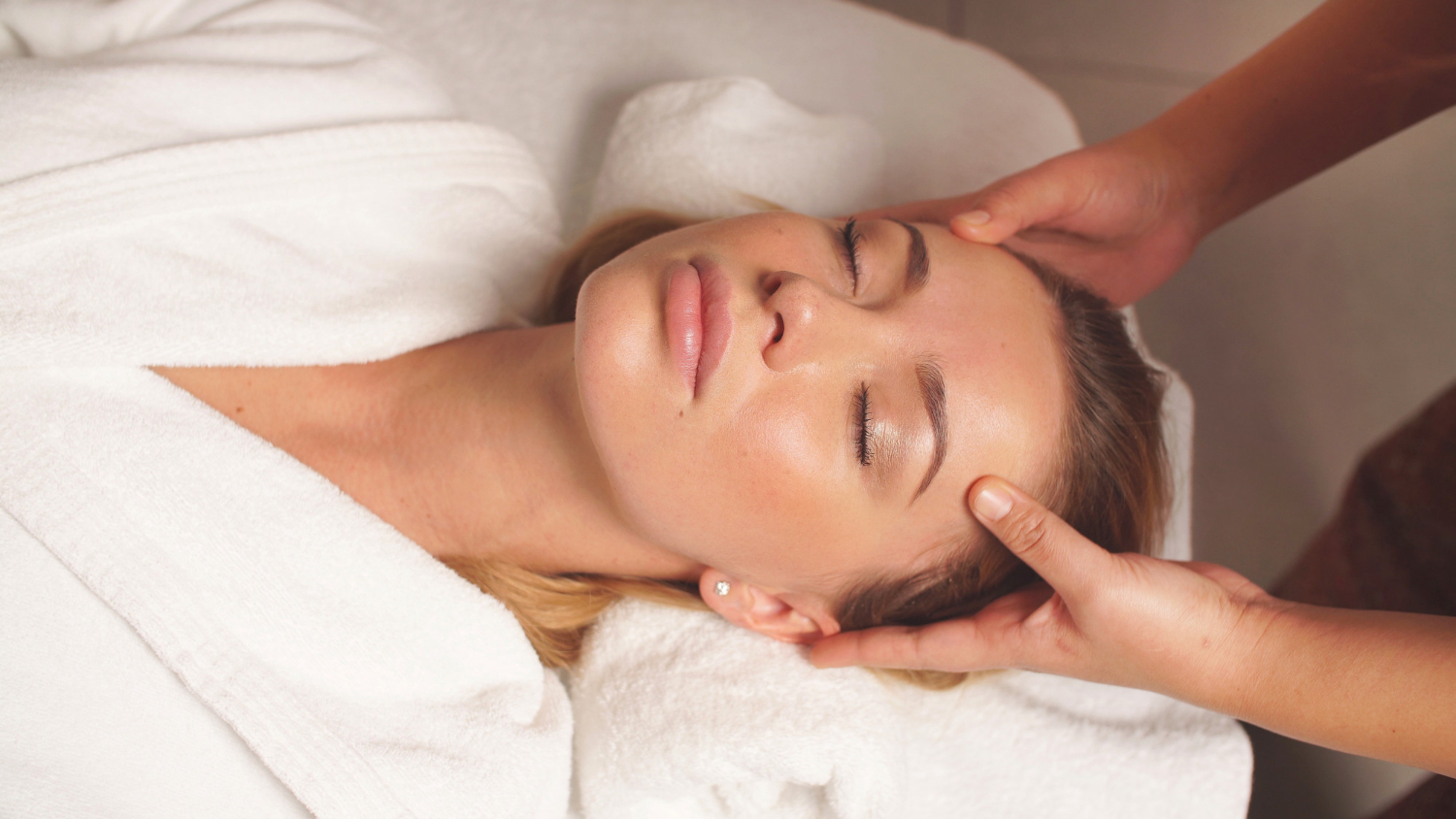
Safety precautions and contraindications
Next, you need to learn the rules for performing facial massage safely and the situations in which the procedure can cause harm. Incorrect technique can exacerbate existing problems or create new ones.
Facial massage lines are determined by the direction of lymph flow and the location of muscle fibers. Disruption of these directions can lead to skin stretching and the formation of new wrinkles. The main massage lines are:
- From the center, I call out
- From the inner corners of the eyes to the outer corners
- From the wings of the nose to the ears
- From the center of the chin to the earlobes
Absolute contraindications include acute inflammatory skin conditions, herpes outbreaks, and cancer in the face and neck area. If you have rosacea, the pressure should not exceed 6 kg/cm², and the session duration should be reduced to 20-30 minutes.
Preparation of the skin for the procedure begins with thorough cleansing using special products. Residues of cosmetics and impurities can cause irritation during massage. The temperature of the massage oil should be 36-37°C to ensure comfort and better penetration of the active ingredients.
Post-procedure care includes applying soothing agents and UV protection. For 2-4 hours after the massage, the skin is particularly sensitive to external influences. The use of decorative cosmetics should be limited to 4-6 hours after the procedure.
Frequency and duration of courses
After studying safety techniques, you need to determine the optimal procedure plan. Correctly selected frequency and duration of the course increase the effectiveness of massage by 40-50%.
The optimal frequency of sessions depends on age and skin condition. Up to the age of 30, 1-2 procedures per week are sufficient; between the ages of 30 and 40, 2-3 sessions are recommended; after the age of 40, 3-4 procedures per week are recommended during the active phase of the course. More frequent procedures can lead to overstimulation of the tissues and reduced effectiveness.
The duration of a single procedure varies from 30 to 60 minutes depending on the technique and objectives. Preventive massage takes 30-40 minutes, corrective massage takes 40-50 minutes, and intensive anti-aging massage takes 50-60 minutes. Exceeding the recommended time may cause swelling and tissue irritation.
The number of procedures in the course is determined by the tasks set:
- Preventive course: 8-10 procedures
- Corrective course: 12-15 procedures
- Intensive anti-aging course: 20-25 procedures
The intervals between courses are 2-3 months for preventive programs and 1-2 months for intensive courses. Between courses, a supportive massage once every 2 weeks is recommended.
Вернуться на страницу блога


