Facial Cleansing: Types, How It Works and Who It Suits
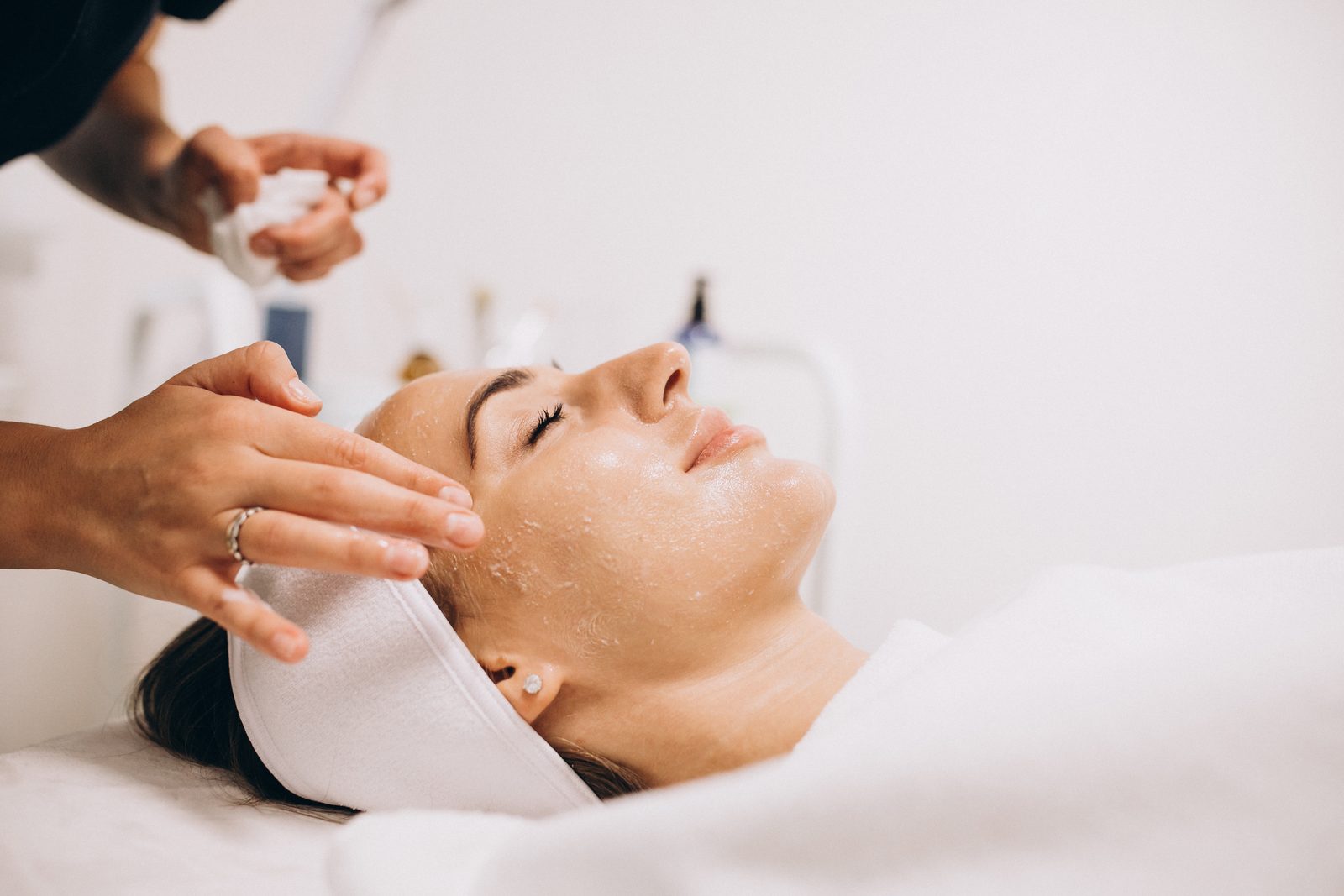
Facial cleansing can be done on almost any skin, even sensitive skin. The question is not whether you can, but which type suits you and who will perform it. That decides both the result and how your skin will feel for the next few days.
Why pores get clogged
Pores get clogged not by dirt from outside but mostly from within. The sebaceous glands produce sebum, it mixes with dead cells, and if this flow cannot get out in time, a plug forms. On top it oxidizes and darkens, and that is how blackheads appear.
The speed of this depends on skin type, hormones, care and even city air. So one person needs cleansing every couple of months, while for another two or three times a year is enough. It is not about tidiness but about how the glands work, which we only partly influence with care.
What types of facial cleansing there are
The types differ not in quality but in how exactly they remove the contents of the pores and how deep they work. Here are the main ones, with their strong and weak sides.
Mechanical cleansing
Mechanical cleansing is the cosmetologist manual work: the pores are opened with steam or a gel, and the contents are removed by hand or with a tool. It gives the deepest cleaning and works well on dense oily skin with pronounced blackheads.
The price for that depth is that you feel it and the skin reddens. After mechanical cleansing the skin turns red, sometimes noticeably, and usually calms down in a day or two. So doing it right before an important event is not a good idea.
Ultrasonic cleansing
Ultrasonic cleansing removes the top layer of dead cells and surface impurities with a wave. It is gentler, almost without redness, and suits sensitive and thin skin. But it will not pull out deep plugs, and that is its honest limit.
Such cleansing is often taken for maintenance between deeper procedures, or when the skin cannot tolerate mechanical work. The effect is more about freshness and smoothness than about radical pore cleaning.
Combined cleansing
Combined cleansing joins ultrasound and manual work: first the gentle removal of the top layer, then the pinpoint removal of what is left. It is a compromise between depth and comfort, and that is why it is prescribed most often.
The cosmetologist decides where ultrasound is enough and where hands are needed. Because of this the result is even, and the load on the skin is lower than from purely mechanical cleansing.
Vacuum cleansing
Vacuum cleansing draws out the contents of the pores with a light suction, like a soft vacuum for the skin. It is shallow but comfortable and removes surface impurities and excess sebum well. It often goes together with ultrasound.

Comparison of cleansing types
To avoid holding it all in your head, here is a table. It shows the main drawback of each type, because that is usually what stays unsaid.
| Type | How it works | Who it suits | Main drawback |
|---|---|---|---|
| Mechanical | Manual pore clearing | Dense oily skin | Redness, you feel it |
| Ultrasonic | A wave removes the top layer | Sensitive, thin skin | Does not take deep plugs |
| Combined | Ultrasound plus hands | Most skin types | Takes longer |
| Vacuum | Light suction of pores | Surface impurities | Shallow effect |
How the procedure goes step by step
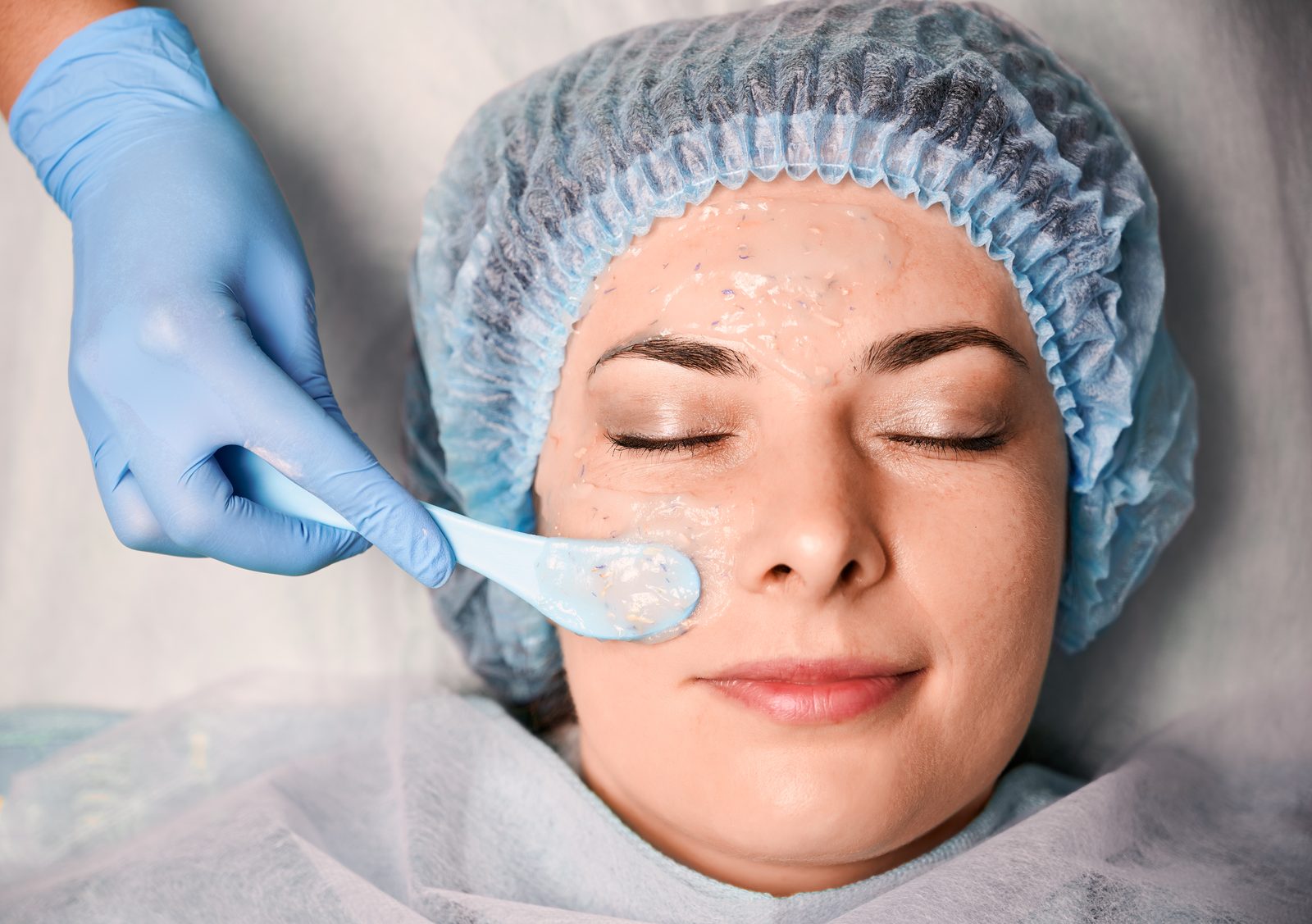
Although the types differ, the frame of the procedure is similar. First the cosmetologist cleanses the skin and assesses its condition. Then opens the pores, by hand or with a device, removes the contents, and at the end calms the skin with a mask and applies a product with protection.
The whole procedure takes about an hour, sometimes a bit more on dense skin. The longest stage is the pore clearing itself, and haste hurts here: rushing makes it easy to injure the skin.
When cleansing is not worth doing
Cleansing is not always useful, and an honest cosmetologist will refuse if there are contraindications. It is not done with active inflammation and pustular breakouts, because of the risk of spreading infection. Cleansing is also postponed with skin damage, herpes in the acute stage and high vascular sensitivity.
- active inflammation and pustular breakouts;
- damage, wounds, herpes flare-ups;
- pronounced rosacea and fragile vessels;
- some skin and general conditions worth mentioning in advance.
This is not forever, only for a time. Once the skin calms down, you can usually return to cleansing, sometimes in a gentler format.
Care after cleansing
For the first day or two the skin recovers, and how you behave in this time decides half the result. Redness is normal, it does not need to be treated, it passes on its own. But touching the face with your hands, reaching for scrubs and sunbathing are best avoided.
In these days the skin needs simple things: gentle washing, moisturizing and sun protection. The cosmetologist will suggest specific products, but the general rule is this: the calmer the care right after cleansing, the sooner the skin looks good.
How often to do cleansing
There is no universal figure here, and anyone who names an exact frequency without seeing the skin is bluffing. Oily skin with active glands needs cleansing more often, dry and normal skin less often. The guide is the state of the pores, not the calendar.
More often does not mean better. Too regular deep cleansing stimulates the glands even more, and you get a vicious circle. So it is wiser to choose the rhythm with a cosmetologist and adjust it by the state of the skin.
Common mistakes
The most common mistake is squeezing at home. With bare hands, without sterility and technique, it is easy to bring in infection and leave a mark that lasts longer than the plug itself. The second mistake is aggressive care right after cleansing, when the skin is finished off with scrubs and acids.
Another mistake is the opposite: expecting from cleansing what it does not do. Facial cleansing removes the contents of the pores and refreshes the skin, but it does not shrink pores forever and does not cure acne. It is support, not a one-time solution.
How much cleansing costs
The price depends on the type of cleansing, the state of the skin and how much work is needed. Mechanical and combined usually cost more than purely ultrasonic, because they are longer manual work. The administrator names the exact sum after the cosmetologist examines the skin.
Short answers to common questions
Is cleansing painful? Mechanical is noticeable, especially on inflamed areas, but bearable. Ultrasonic is almost painless. Everyone threshold differs, so the cosmetologist adjusts the pace.
Can I do cleansing before an event? Ultrasonic even the day before. Mechanical better three or four days ahead, so the redness has time to go.
Does cleansing shrink pores? Visually the pores become less noticeable because they are freed from their contents. But their size is set by the skin type, and cleansing cannot reduce it forever.
Is home care enough instead of cleansing? Home care maintains the result, but it does not pull out deep plugs. The best combination is cleansing in the salon plus regular care at home.
So the choice of cleansing type depends on your skin. If it is dense and oily, with pronounced blackheads, mechanical or combined makes sense. If it is thin and sensitive, the gentler path is ultrasound or vacuum. And if you are not sure where to start, it is easier to come for a consultation: the cosmetologist will look at the skin and pick a format that cleans but does not injure.
At the Diva spa salon in the center of Kyiv, the cosmetologist selects the type of cleansing for the state of your skin and combines it with care for an even result. To book, call us or leave a request through the form on the website.
Вернуться на страницу блога


