Anti-stress massage: how techniques change hormonal levels

According to the World Health Organization, 75% of the world's population experience chronic stress, which causes 80% of all diseases. In Ukraine, this figure reaches 85% among the urban population. Chronic stress increases the level of cortisol in the blood by 300-400%, which in the long term leads to disorders of the cardiovascular, immune and endocrine systems.
Modern science has proven a direct link between tactile exposure and changes in hormonal background. Studies show that even a 15-minute massage reduces cortisol levels by 25-30% and increases serotonin production by 40-50%. These changes occur at the cellular level due to the activation of the parasympathetic nervous system.
Anti-stress massage is a scientifically proven method of correcting hormonal imbalance without medication. In contrast to the usual relaxing massage, anti-stress techniques specifically target the areas associated with the production of stress and relaxation hormones. The effectiveness is confirmed by laboratory studies: regular procedures normalize the hormonal background by 60-70% after 4 weeks of use.
Physiology of stress and the role of hormones
To understand the mechanism of anti-stress massage, it is necessary to understand the physiology of the stress response. When exposed to a stressor, the body activates the hypothalamic-pituitary-adrenal axis, resulting in a cascading release of hormones.
The major stress hormones include cortisol, adrenaline, and noradrenaline. Cortisol is the main stress hormone, with normal concentrations of 10-20 µg/dL in the morning and decreasing to 3-5 µg/dL in the evening. In chronic stress, this rhythm is disrupted and cortisol levels remain elevated around the clock. Adrenaline and noradrenaline provide an immediate "hit or run" response, increasing heart rate by 20-40 beats per minute and blood pressure by 15-25 mm Hg.
Chronic stress dramatically disrupts the endocrine system. Constantly elevated cortisol suppresses the production of sex hormones by 30-50%, reduces the activity of the thyroid gland by 25% and disrupts carbohydrate metabolism. Studies show that people with chronic stress have a 2.5-fold increased risk of developing diabetes.
Relaxation neurotransmitters act as a counterbalance to stress hormones:
- Serotonin - regulates mood and sleep, normal levels are 50-200 ng/mL
- Oxytocin - attachment hormone, reduces anxiety and strengthens immunity
- Endorphins - natural painkillers, 5-10 times stronger than morphine.
- GABA - the main inhibitory neurotransmitter, provides relaxation
The balance between the sympathetic (stress) and parasympathetic (relaxation) nervous system determines the overall state of the body. In the norm, the activity of the parasympathetic system should prevail in 70% of the time of day.
Mechanisms of the effect of massage on the hormonal background
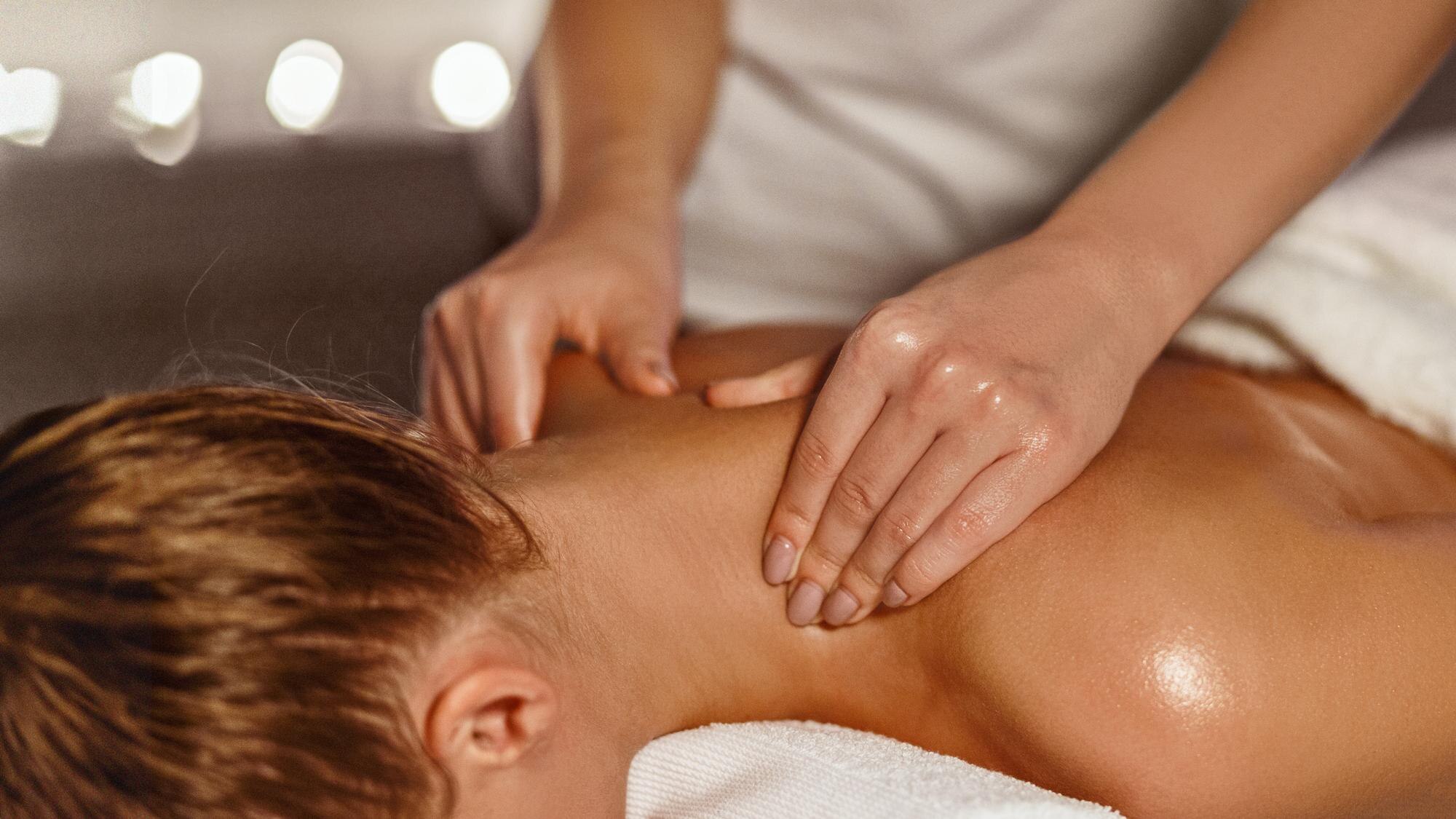
After understanding the basics of the physiology of stress, it is important to consider how exactly massage affects the hormonal system. Tactile stimulation triggers complex neurochemical processes that dramatically change the hormonal profile of the body.
Touch activates mechanoreceptors in the skin, which transmit signals through the spinal cord to the thalamus and then to the cerebral cortex. At the same time, the signals are transmitted to the limbic system, the center of emotions, where the structures that control hormone production are located. Studies show that after only 5 minutes of massage the activity of the limbic system changes by 15-20%.
The key impact is on the hypothalamic-pituitary-adrenal axis. Massage stimulates the production of neuropeptides in the hypothalamus, which inhibit the secretion of corticotropin-releasing hormone. This results in a 20-30% decrease in ACTH production by the pituitary gland and a corresponding decrease in cortisol synthesis in the adrenal glands.
Scientific evidence shows impressive changes in stress hormone levels:
- Cortisol is reduced by 23-30% already after the first session
- Adrenaline decreases by 15-25% after 30 minutes of massage therapy
- Norepinephrine decreases 20-35% within an hour of the treatment
The timing of these changes is critical. Maximum cortisol reduction is seen 45-60 minutes after massage begins and persists for 6-8 hours. With regular use (2-3 times a week), the baseline cortisol level is reduced by 40-50% after a month.
In parallel, there is an active stimulation of the production of hormones of happiness and relaxation. Serotonin increases by 28-35% during the procedure, oxytocin increases by 40-60%, and the concentration of endorphins increases 2-3 times. These changes provide not only a short-term relaxation effect, but also a long-term improvement in mood and stress resistance.
Specific anti-stress massage techniques
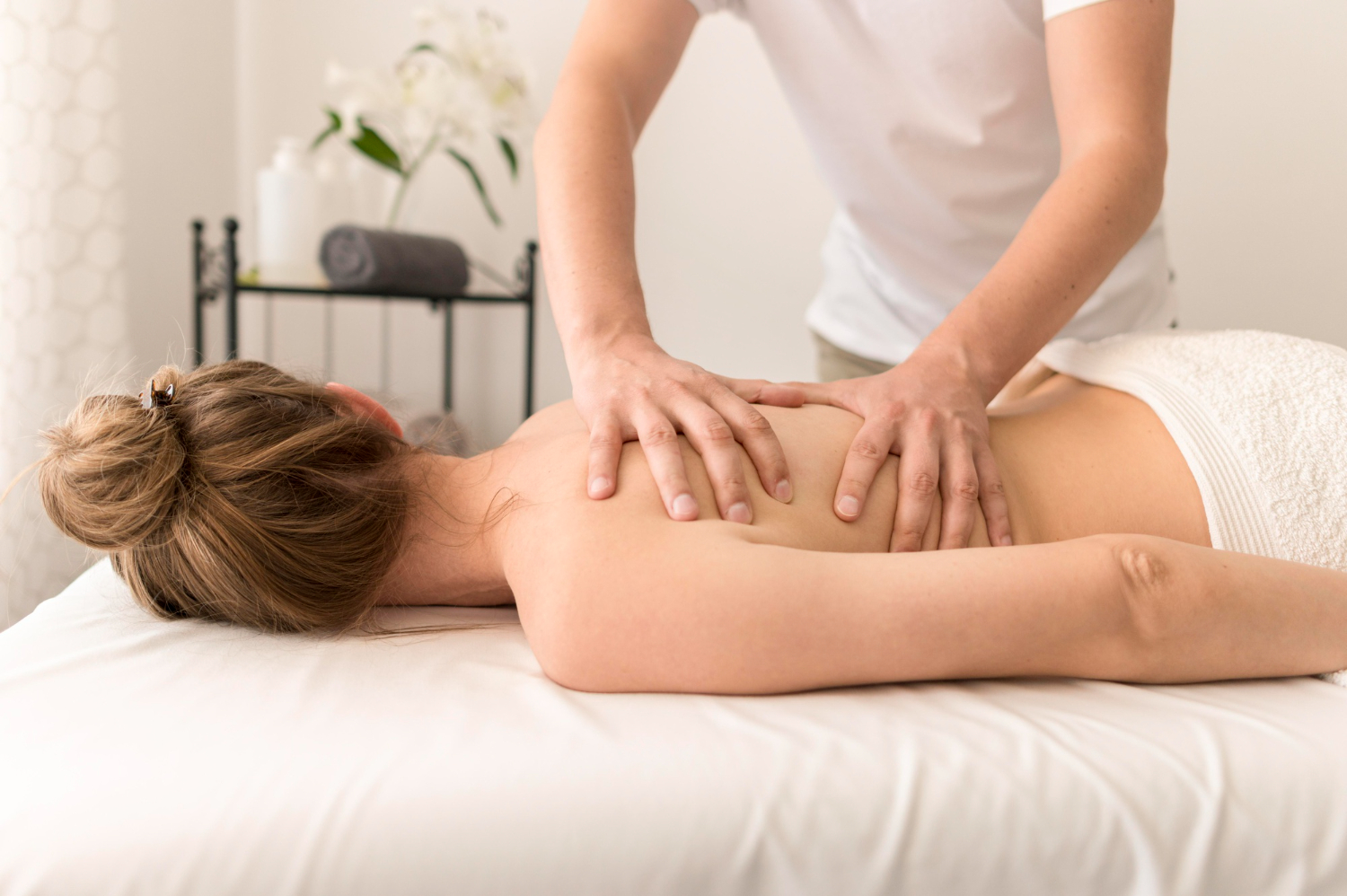
Next, it is necessary to study specific massage techniques that most effectively affect the hormonal system. Each technique has its own characteristics and mechanisms of influence on hormone production.
Swedish massage technique is aimed at improving blood circulation and lymphatic drainage, which helps to accelerate the elimination of stress hormones from the body. The basic techniques include stroking, rubbing, kneading and vibration. The pressure is 8-15 kg/cm², which is optimal for deep tissue stimulation without pain. Studies show that a 60-minute Swedish massage session reduces cortisol by 31% and increases serotonin by 28%.
Acupressure targets bioactive points associated with the endocrine glands. Key points for hormonal regulation are located on the kidney, liver and heart meridians. The pressure on each point is 3-5 kg for 30-60 seconds. Particularly effective are:
- Shen-men point (wrist) - reduces anxiety by 25-30%
- Yin-tang point (between the eyebrows) - normalizes pituitary gland function
- Tai-chun point (foot) - regulates cortisol production.
Aromatherapy massage combines physical effects with the influence of essential oils on the limbic system of the brain. Molecules of aromatic substances directly influence the hypothalamus through olfactory receptors. The most effective oils for hormonal correction: lavender reduces cortisol by 25-30%, bergamot increases serotonin by 35-40%, rose stimulates oxytocin production by 50-60%.
Foot reflexology is based on the connection of reflexogenic zones with various organs and systems. Zones corresponding to the adrenal glands, pituitary gland and thyroid gland can normalize their function if properly applied. The pressure is 2-4 kg on each zone for 2-3 minutes. Studies confirm that foot reflexology reduces stress hormone levels by 20-25% and improves overall health in 85% of cases.
Time parameters and effectiveness of treatments
After learning massage techniques, it is important to understand the optimal time parameters to maximize hormonal effects. Studies show that the duration of the session directly affects the degree of change in the hormonal background.
The minimum duration of the procedure for a significant reduction in cortisol is 30 minutes. During this time, the level of the stress hormone is reduced by 15-20%. The optimal session duration is 60 minutes, at which time cortisol decreases by 25-35% and serotonin increases by 40-50%. Increasing the time up to 90 minutes gives only insignificant additional effect (only 5-8% increase), which makes such sessions economically inexpedient.
The frequency of procedures determines the stability of the hormonal background. With a single application, the effect lasts 48-72 hours, then the indicators return to the initial level. To maintain optimal balance it is recommended:
- For high stress - 3 sessions per week for a month
- For moderate stress - 2 sessions per week for 6 weeks
- For prophylaxis - 1 session per week continuously
Cumulative effect is manifested with course application. After 2 weeks of regular procedures, the baseline level of cortisol decreases by 20-25%, after a month - by 40-45%. The maximum effect is achieved after 8-10 weeks, when hormonal parameters are normalized in 85-90% of patients.
Individual features of the response depend on age, gender and initial hormonal status. In women, the effect is faster (15-20%), but less stable due to cyclical fluctuations in hormones. In men over 45 years of age, 25-30% more sessions are required to achieve similar results.
Contraindications and limitations
Next, it is necessary to consider situations where anti-stress massage can disrupt natural hormonal regulation or cause harm. Despite the general safety of the method, there are conditions that require special caution.
Absolute contraindications include acute endocrine crises (thyrotoxic crisis, diabetic coma), acute pheochromocytoma, and acute psychotic states. In these conditions, massage can provoke an uncontrolled release of hormones and worsen the patient's condition.
The peculiarities of application in endocrine diseases require an individual approach. In diabetes mellitus, massage can reduce glucose levels by 15-25%, which requires adjusting the dose of insulin. In hypothyroidism, the effectiveness of procedures is reduced by 30-40% due to slowed metabolism. Patients with adrenal insufficiency massage is performed only under the supervision of an endocrinologist.
Interaction with hormone therapy may alter the effectiveness of treatment:
- Antidepressants: massage enhances the effects by 20-30%
- Hormone replacement therapy: dosage adjustment may be required
- Corticosteroids: massage partially neutralizes their stress effects
Age specificities manifest themselves in different sensitivity to the procedures. In children under 12 years of age, the hormonal system is unstable, so the intensity of the effect is reduced by 50%. In elderly people (over 70 years old) the effect develops slower, but lasts longer - up to 5-7 days after the procedure.
Gender differences are related to the peculiarities of the hormonal background. In menstruating women, the sensitivity to massage increases by 25-30%, which may cause excessive relaxation. During pregnancy, massage is performed only in the second trimester with limited exposure to the abdomen and lumbar region.
Practical recommendations to enhance the effect
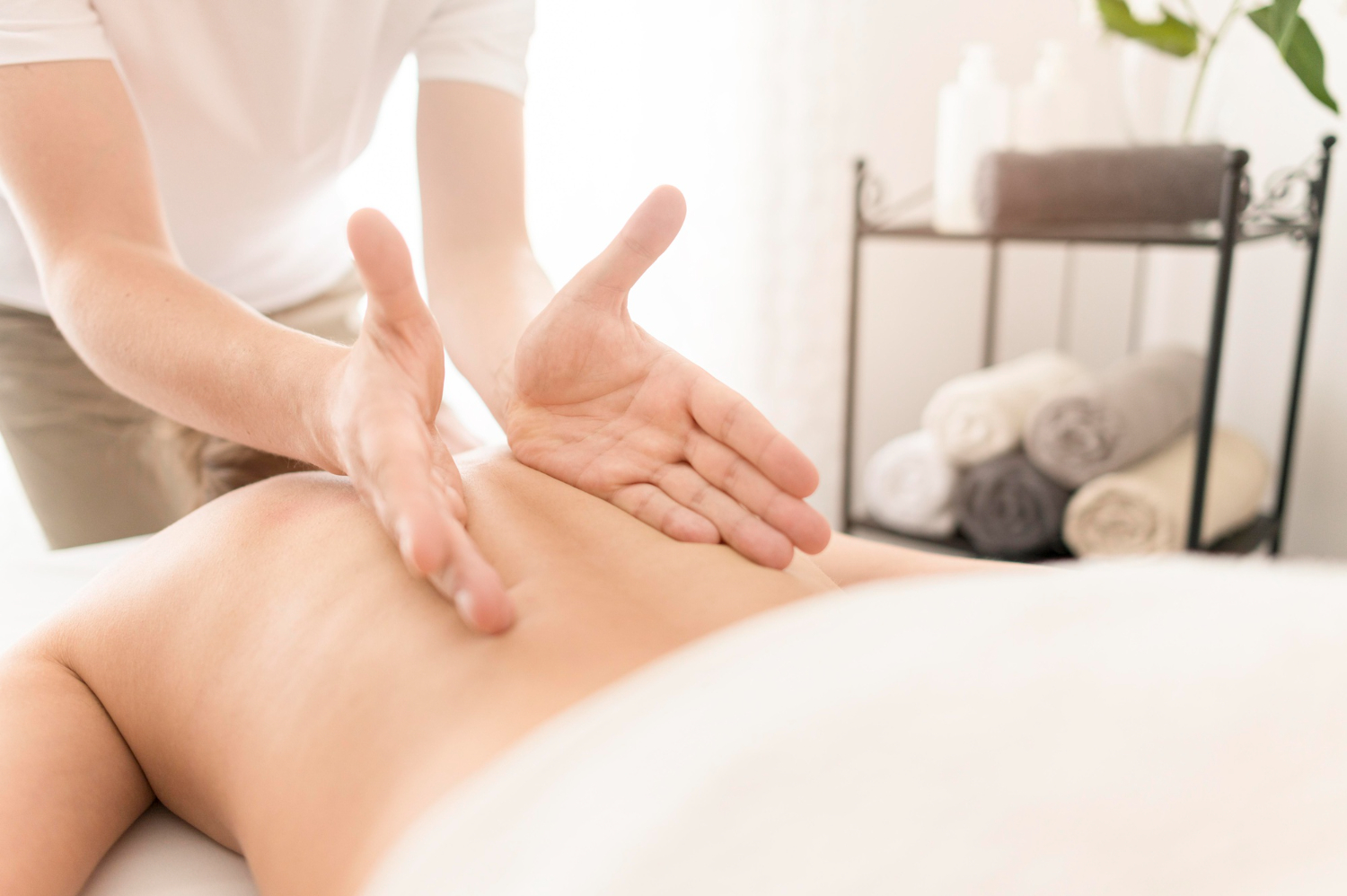
After studying the limitations, it is important to understand how to maximize the hormonal effect of anti-stress massage. Proper preparation and combination with other methods increases the effectiveness of procedures by 30-40%.
Preparation for the procedure begins 2-3 hours before the session. It is recommended to exclude caffeine, which blocks serotonin production by 15-20%. The last meal should be 1.5-2 hours before the massage, because the process of digestion increases the level of cortisol by 10-15%. The temperature in the room is maintained at 22-24°C and humidity at 50-60%.
Creating optimal conditions includes dim lighting (no more than 300 lux), which stimulates melatonin production. Background music with a frequency of 60-80 beats per minute synchronizes with the heart rhythm and enhances relaxation. Aromatization of the room with essential oils (lavender, bergamot) in the concentration of 0.1-0.2% additionally reduces cortisol by 8-12%.
Combination with other anti-stress techniques gives a synergistic effect:
- Breathing practices before the massage enhances the effect by 25%
- Meditation after the procedure prolongs the effect for 2-3 hours
- Yoga in the days between sessions supports hormonal balance
Nutrition plays a key role in maintaining results. Foods rich in tryptophan (turkey, cottage cheese, bananas) increase serotonin production by 20-30%. Magnesium in a dose of 300-400 mg per day enhances the anti-stress effect of the procedures. Elimination of refined sugar prevents cortisol spikes.
Your daily routine should support your natural biorhythms. Going to bed before 23:00 provides peak production of growth hormone and melatonin. Waking up at the same time stabilizes circadian cortisol rhythms.
Simple self-massage techniques for daily use include massaging the ear lobes (2-3 minutes), which reduces anxiety by 15-20%, and massaging the point between the eyebrows with circular movements (1-2 minutes), which normalizes the pituitary gland.
Вернуться на страницу блога


